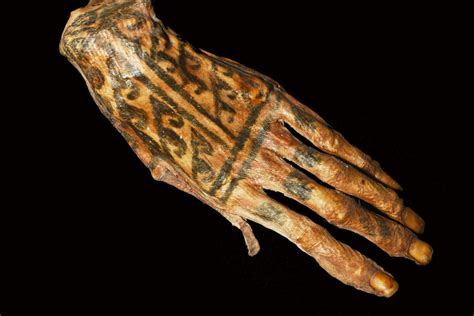
The African continent, often called the "cradle of humankind," is also the birthplace of tattooing. The oldest known evidence of symbolic tattooing was discovered on the bodies of two Egyptian mummies, believed to be over 5,000 years old. For thousands of years, African people have adorned their bodies with permanent symbols as a method of curing illness, providing protection, showing loyalty to their tribe, and denoting social status. Tattoos were also used to demonstrate specific personality traits amongst ancient people, bearing a marked resemblance to tattooing’s culture today of self-expression and story-telling.
The Meaning of African Tattoos
When exploring the meaning behind African tattoos, we must first explore the connection that ancient people held with this ritual practice. Throughout Northern Africa many ancient people embraced tattooing as a means of identification, self-expression, and spiritual protection. One example of this stems from the upper-class women of ancient Egypt, who would use these permanent markings to signify fertility, blessings, worship, or status. During these times, a person’s tattoos worked to tell a story of who they were, where their allegiances lied, and what their rank was within society.
As the spread of Islam grew, ancient African people were forced to abolish the practice of tattooing, as it was viewed by the religion as a form of self-mutilation, and therefore considered a sin. While tattooing moved underground in Northern Africa, in the sub-Saharan region indigenous tribes continued to practice their own method of tattooing in the form of scarification. The patterns and symbols carved into the skin held great meaning to those who wore them, as they were believed to provide protection against undesirable energies while showcasing one’s milestones through life.
In current day Africa, the practices of tattooing and scarification are still alive and well, with the two having combined into a process known as “cicatrization”. Cicatrization is defined as a deeply symbolic and personal method of marking the skin in the form of scars, which are then additionally raised by adding soot or ashes into the wound. The scars are often created as geometrical markings or symbols that represent coming-of-age rituals, and emblems of spiritual protection. As a person ages, these markings become a great source of pride, depicting their incredible endurance and determination throughout life.
In modern day Africa, many people also elect to get “traditional” tattoos, created using needles and ink. These designs range from decorative to highly symbolic, and can still be used to signify rank, social status, and tribal affiliation. Outside of the more ritual aspects of African tattooing, there are also those who use their tattoos as a way to showcase self-expression and story-telling.
Read also: West African Suya
Popular African Tattoo Designs
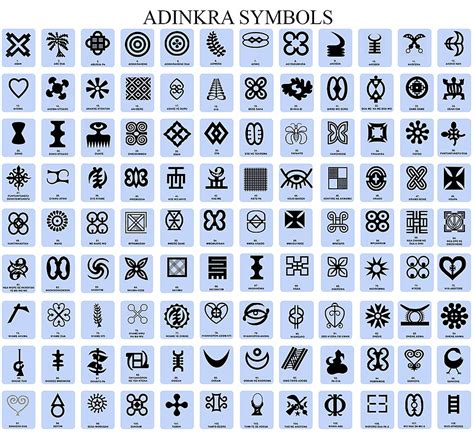
Many looking to get an Afrocentric tattoo are drawn to the ancient symbols of the Adinkra. Originating in West Africa, the Adinkra symbols were used to represent important proverbs, historical events, and spiritual qualities. If you’re searching for an authentic Ghanian tattoo, these simple symbols are a superb choice as they are known to hold great power and convey deep spiritual significance. Wondering what the meaning is behind Adinkra symbols? We’ve listed some popular Adinkra tattoos and their intended meanings below for you to explore!
Adinkra Tattoo
If you’re searching for an authentic Ghanian tattoo, these simple symbols are a superb choice as they are known to hold great power and convey deep spiritual significance.
Dwennimmen Tattoo
This Adinkra symbol is depicted as a bird’s eye view of two rams butting horns and is considered to be a powerful symbol of strength and humility. When used as a tattoo, this symbol can serve as a reminder to remain humble regardless of status or perceived power in life.
Duafe Tattoo
The duafe symbol is represented by a wooden comb and is used to denote femininity, self-care, love, and cleanliness. As a tattoo, the duafe can be a loving reminder of one’s own womanhood or African roots.
Sankofa Tattoo
If you’re looking for a traditional African tattoo, the sankofa symbol is a powerful choice. The sankofa Adinkra symbol originates from West Africa, and is commonly represented by a stylized heart, or by a bird’s head turning backwards with an egg in its mouth. If you’re wondering what the meaning is behind the sankofa, the word itself translates to: “go back and get it”, and serves to represent the importance of bringing lessons from the past into the here and now. If you’re looking for an African symbol tattoo to help further positive progress in your life, the sankofa is a superb selection.
Read also: Mauritius West Coast Accommodation
African Tribal Tattoo
If you’re interested in an African tattoo sleeve, or large-scale African-inspired piece, a tribal tattoo may just be the right choice for you. Traditionally, tribal style tattoos were worn in Africa to tell stories of hardships and victories, as well as for purely aesthetic reasons. The African style of tribal tattooing tends to be heavier on shading than other forms of tribal work, offering high-impact designs laden with meaning and depth.
10 African Tatoos and Their Cultural Meanings
African Warrior Tattoo
Whether you’re interested in a fierce Zulu warrior tattoo or an African symbol representing courage and bravery, African warrior tattoos are a popular choice among those looking to invoke a sense of strength while connecting to their ancestry.
South African Tattoo
Proud of your South African roots? Many have chosen to use symbols representative of the region to show their pride and connect to their ancestry or birthplace. A popular selection is the South African flag tattoo, whose beautiful colors can easily be crafted into a variety of creative and proud pieces denoting your African heritage.
African Woman Tattoo
Since Africa is considered to be the motherland for all of humanity, many have chosen to depict their love for the continent by selecting tattoos featuring representations of African women. From regal renderings of Nefertiti to the bronze-coiled necks of the ethereal Kayan tribe, tattoos depicting Africa’s women serve as reminders of strength, beauty, prowess, and intellect.
African Elephant Tattoo
If you’re searching for the perfect African animal tattoo, the elephant is a strong visual motif laden with deep spiritual meaning. In African mythology, the elephant was viewed as a wise chief imbued with the qualities of strength, power, and wisdom.
Read also: Explore West African Food
African Continent Tattoo
The African continent tattoo comes in many forms and often features authentic wildlife, historical figures, or intricate tribal designs. Whether you’re interested in a simple black outline or a full-color piece, the African continent tattoo is a beautiful way to celebrate Africa’s rich history.
African Lion Tattoo
One of the most popular and fierce African tattoo designs is the proud and powerful lion. Often depicted in a realism style, the African lion works to symbolize wisdom, authority, courage, and protection. If you’re looking for a more feminine symbol, the African lioness tattoo can be used to signify motherhood, femininity, and the powers of the moon.
African Goddess Tattoo
If you’re drawn to Africa’s vast mythology and feminine spirits, an African goddess tattoo may be the perfect choice for you. One popular selection is the goddess known as “Oshun”, who is worshipped for her ability to cure illness, manifest abundance, and generate fertility. Whether you’re looking for a Dotwork style tattoo or a Surrealist piece dripping with symbolism, African goddesses work wonderfully as symbols of feminine powers and strength.
African Roots Tattoo
If you are looking to pay homage to your heritage, the African roots tattoo, or “mother Africa tattoo”, can be a creative way to honor your ancestry. Crafted in a variety of styles, the tattoo commonly features an African Acacia tree, or the continent itself sprouting roots.
African Animal Tattoo
If you’re drawn to the beauty and power of African wildlife, there are a wealth of incredible animals to choose from when designing your Afrocentric tattoo. From the graceful giraffe to the ferocious leopard, Africa’s exotic range of animals all possess their own unique symbolism and hidden meaning when used in tattooing.
African Flower Tattoo
If you love Fine Line tattoos and floral designs, the African violet tattoo may be the perfect choice for you. Aside from its visually stunning appearance, the African violet also works to symbolize friendship and faithfulness, making it the perfect African symbol to honor an important relationship in your life.
Ankh Tattoo
The Ankh tattoo is a powerful way to pay homage to Africa’s ancient wisdom, while representing one’s own journey through life. The ankh was traditionally used as a hieroglyph in ancient Egypt meaning “life”, or “breath of life”. The symbol was used to showcase both the afterlife and the current life, and serve as a reminder that our earthly incarnations are only part of our eternal journey.
Pyramid Tattoo
If your ancestry is rooted in Northern Africa, or you possess a deep love for ancient Egypt, the pyramid tattoo can be a stunning way to celebrate your ancestors. Draped in mystery to this day, the great pyramids are one of the 7 wonders of the world, and work to showcase the wealth of knowledge and spiritual power that permeates Africa’s history.
Ancient Beginnings and Evidence
One of the earliest forms of African body art discovered dates back to ancient Egypt. The discovery of tattooed mummies, notably that of the priestess Amunet from 2000 BCE, provides insight into the antiquity of these practices. Scholars believe that these tattoos had spiritual or religious significance, possibly as a form of protection, healing, or connection to the divine. Amunet’s tattoos are believed to have symbolized fertility and feminine power, highlighting the significance of body art in conveying life stages and individual roles within society.
Beyond Egypt, rock art and petroglyphs found in North Africa depict figures with body markings, suggesting that other early societies also practiced forms of body modification. For example, ancient engravings in the Sahara Desert portray individuals with patterns on their skin, which some experts interpret as an early form of body decoration or scarification. These markings hint at the existence of symbolic language conveyed through body art long before written language became common.
Spiritual and Social Significance
In African societies, body art and tattoos have historically served as more than just adornments; they were powerful symbols of identity and belief. Different designs could indicate a person’s tribe, social rank, achievements, and even spiritual affiliations. For example, the scarification marks worn by members of the Yoruba and Igbo communities in Nigeria were not just cosmetic. They were lifelong emblems that identified a person’s lineage and tribal heritage. Each scar carried a story, allowing individuals to carry their family history and personal milestones visibly on their skin.
The process of obtaining these marks was often seen as a rite of passage. Among many African tribes, tattoos, scars, or other body modifications were given during key life events, such as reaching adulthood, getting married, or becoming a warrior. These modifications were performed in communal ceremonies, with family and community members present to celebrate the individual’s transformation. The marks symbolized the individual’s readiness to embrace new roles and responsibilities within their community. For example, in some East African cultures, young men would undergo scarification rituals to prove their bravery and readiness for adult life, particularly if they were to assume roles as warriors or protectors of their people.
African body art also held significant spiritual value. Many tribes believed that certain symbols and patterns on the skin offered protection from evil spirits, promoted healing, or granted blessings from ancestral deities. Tattoos or scar patterns featuring animals, celestial symbols, or abstract motifs were often seen as invoking specific qualities, such as strength, wisdom, or fertility. For instance, some groups believed that particular animals represented their totems or clan symbols, and including these images on their bodies connected them to their ancestors’ spiritual energy.
Traditional Techniques and Materials
The methods and materials used in African body art and tattooing were as unique as the designs themselves, varying widely across regions and tribes. Many of these techniques were developed centuries ago and are still used in traditional contexts today. Scarification, a prevalent method of body modification, involved making incisions in the skin to create raised scars in intricate, often geometric patterns. This technique was widely practiced by communities in West Africa, such as the Yoruba and the Igbo, as well as in certain East African tribes like the Maasai.
Scarification required significant skill, as artists used sharp tools like knives or sharpened stones to etch patterns onto the skin. Once the cuts were made, natural substances such as ash or clay were sometimes rubbed into the wounds to create more prominent scars. Tattooing, another popular form of body art, involved puncturing the skin with needles or thorn tips dipped in natural inks. The materials for inks were sourced from the local environment and included ingredients like charcoal, plant dyes, and powdered herbs. These organic inks often produced dark blue or black tattoos, which contrasted strikingly against the skin. Each region developed its own set of tattoo symbols, often inspired by local myths, animals, and natural elements. For instance, in parts of North Africa, tattooed symbols related to the sun or stars were used to symbolize connection to the cosmos.
In many African societies, the process of receiving these body modifications was often accompanied by rituals. Traditional healers, spiritual leaders, or experienced artists typically performed the procedures, and they did so with great care, as these marks were considered sacred. The act of tattooing or scarification was not only physically demanding but also deeply emotional, as it involved enduring pain to acquire a symbol of resilience, identity, or beauty. This rite of endurance transformed the individual, both physically and spiritually.
Gender Roles and Body Art
In African body art traditions, gender played a key role in determining the styles, purposes, and placement of tattoos or scars. Women’s body art often focused on symbols related to fertility, marriage, and beauty, while men’s markings typically signified strength, courage, and tribal affiliation. Among the Dinka people of South Sudan, for instance, male tribal markings consisted of intricate facial scars that represented courage and resilience. These markings were usually obtained in youth as part of the journey to adulthood and were a testament to a young man’s bravery.
For women, body art frequently symbolized fertility and readiness for motherhood. Some communities believed that tattoos or scars on certain parts of a woman’s body would ensure safe childbirth or increase fertility. In other areas, women decorated themselves with tattoos or henna patterns before weddings to signify beauty and prosperity. The art on women’s bodies was not only a reflection of individual identity but also of communal beliefs about femininity, fertility, and the importance of family continuity.
Regional Variations in African Body Art and Tattoos
Africa is a continent of stunning diversity, home to over 1,000 different ethnic groups, each with its own rich traditions, languages, and cultural practices. This cultural richness is evident in the variety of body art and tattoo practices across Africa. From scarification and body painting in West Africa to henna and symbolic tattoos in North Africa, African body art has evolved differently based on regional customs, beliefs, and even environmental resources.
Let’s explore how African body art and tattoos vary across three main regions: West Africa, East Africa, and North Africa. Each region offers unique forms of body art that are expressions of identity, beauty, spirituality, and community.
West Africa: The Art of Scarification and Body Painting
West Africa has one of the oldest traditions of body art, especially scarification and body painting. In countries such as Nigeria, Benin, Ghana, and Burkina Faso, these practices were historically a significant part of tribal life. Scarification in West Africa is an art form deeply embedded in community identity and individual status. Some tribes, like the Yoruba and Igbo of Nigeria, would scar their bodies to show affiliation to a particular clan or family group.
Scarification in West Africa
Scarification involves making small, deliberate cuts or incisions in the skin, which, once healed, form raised scars. The process is often intricate and painful but is seen as a rite of passage into adulthood, especially for young men. Scarification can communicate various aspects of a person’s identity, including tribal affiliation, social rank, and life achievements. For instance, the Yoruba and the Benin people have unique scar patterns and placements that mark cultural belonging and indicate whether a person comes from a noble lineage.
Each scar on a person’s body is like a badge, a visual record of significant events, such as reaching puberty, getting married, or having children. Some of these scar patterns also have protective meanings, serving as talismans believed to shield individuals from harm or bring them good fortune. Although scarification has become less common in recent decades due to modernization and shifting cultural norms, some West African communities still preserve this practice as a celebration of heritage.
Body Painting for Festivities and Rituals
Body painting is another ancient practice in West Africa. Unlike scarification, body painting is temporary, applied for special occasions like festivals, weddings, and religious ceremonies. In countries such as Ghana, Nigeria, and Mali, natural pigments made from plant-based ingredients are mixed into paints and applied in vibrant, intricate patterns across the body. The patterns often have symbolic meanings and may be associated with blessings for protection, fertility, or success.
One well-known example is the traditional body painting of the Fulani people in West Africa. For the Wodaabe, a subgroup of the Fulani, body painting is a significant aspect of the Gerewol festival, a week-long event in which young men adorn themselves with vibrant face and body paint, feathers, and jewelry as they compete in beauty contests judged by young women.
East Africa: Beads, Jewelry, and Body Art Among the Maasai
In East Africa, the Maasai of Kenya and Tanzania are among the most recognized communities for their distinct body art and ornamentation traditions. Unlike West Africa, where permanent body modifications are more common, East African tribes often favor body painting, temporary decorations, and elaborate jewelry.
Maasai Adornments and Body Painting
The Maasai use body painting to signify milestones and celebrate important events. Ochre, a natural earth pigment with a reddish hue, is widely used in traditional body painting, creating striking patterns on the skin that symbolize strength, beauty, and bravery. Although the paint is not permanent, the designs carry deep cultural significance, with each pattern and color representing specific meanings within the tribe.
In addition to body painting, the Maasai are known for their elaborate beadwork and jewelry, which are adorned with vibrant colors and intricate designs. Red, for instance, is particularly symbolic, representing courage and unity. The Maasai often wear red cloth, necklaces, bracelets, and earrings as part of their daily attire, and the jewelry patterns vary based on age, gender, and social status. Women and men alike wear jewelry to communicate their life stage, social rank, and marital status.
Scarification as a Rite of Passage
While not as widespread as in West Africa, scarification has also been practiced in parts of East Africa. Some Maasai clans have historically used scarification during rites of passage, such as circumcision ceremonies or coming-of-age rituals. In recent times, however, traditional scarification has become less common, with many young Maasai preferring modern tattoos to mark important life events.
In other East African tribes, such as the Karamojong of Uganda, scarification served as a form of identity, marking a person’s achievements or their membership in a particular group. Although many East African cultures are moving away from scarification practices, these traditions remain significant parts of their cultural heritage.
North Africa: The Ancient Tradition of Henna and Tattooing
North Africa presents yet another unique facet of African body art, especially through the ancient art of henna and tattoos. The cultural history of North African body art is influenced by both indigenous Berber practices and Arab traditions, creating a fascinating blend of techniques and meanings.
Henna Art in North Africa
Henna art is widely popular in North African countries like Morocco, Tunisia, Algeria, and Egypt. Derived from the henna plant, this natural dye is used to create intricate patterns on the skin, primarily on the hands and feet. Henna is a temporary art form, applied for special occasions such as weddings, religious festivals, and family celebrations.
In Morocco, henna is especially popular among the Berber people, who have a long tradition of using henna to decorate their hands and feet. The designs are often highly symbolic, featuring motifs that represent protection, fertility, beauty, and blessings. The art of henna is typically passed down from one generation to the next, with older women teaching younger women how to mix the paste and apply the designs. Although the henna fades over time, its cultural significance remains vibrant, symbolizing joy, beauty, and tradition.
Traditional Tattoos Among the Berber People
Beyond henna, North Africa also has a history of permanent tattoos, particularly among the indigenous Berber communities. For centuries, Berber women used tattoos to mark significant life events and express their cultural identity.
| Region | Common Body Art Forms | Significance | Examples |
|---|---|---|---|
| West Africa | Scarification, Body Painting | Community identity, individual status, rites of passage, protection, blessings | Yoruba and Igbo scarification, Fulani body painting |
| East Africa | Beadwork, Jewelry, Body Painting | Milestones, events, strength, beauty, bravery, social status | Maasai adornments and body painting |
| North Africa | Henna Art, Tattoos | Celebrations, protection, fertility, beauty, blessings, cultural identity | Berber henna and tattoos |
African body art and tattoos are steeped in profound meanings that extend beyond aesthetics. Whether through scarification, painting, or tattooing, these practices are complex expressions of identity, spirituality, and social structure, grounded in a deep respect for heritage and tradition. As these methods and symbols were passed down through generations, they became enduring markers of African cultural identity, preserving the stories and beliefs of communities across the continent. The roots of African body art and tattoos reveal how these practices have evolved over millennia yet remain deeply connected to ancient beliefs and ways of life.
