West African cuisine is renowned as one of the most unique and flavorful culinary traditions in the world. With its vibrant combination of spices, herbs, and indigenous ingredients, the food of West Africa offers a tantalizing sensory experience. West African dishes offer a unique blend of flavors that everyone should experience at least once!
West African cuisine encompasses a diverse range of foods that are split between its 16 countries. In West Africa, many families grow and raise their own food, and within each there is a division of labor. During the early modern period, European explorers and slave traders influenced regional cuisines in West Africa, but only to a limited extent.
However, it was European merchant and slave ships which brought chili peppers, maize and tomatoes from the New World, which have become ubiquitous components of West African cuisines, along with peanuts, cassava, and plantains. Around the time of the colonial period, particularly during the Scramble for Africa, European settlers defined colonial borders without regard to pre-existing borders, territories or cultural differences.
This bisected tribes and created colonies with varying culinary styles. There are certain ingredients that go with certain countries as well. In Ghana, the most commonly used ingredients are hot pepper, ginger, and maize. Ghanaians use hot pepper because they believe the hot peppers will cool the body and cleanse/purify it. In Senegal, the main ingredients are among many others hot pepper, rice, millet, peanut, ginger, tamarind leaves, and baobab fruit, and cooking oil.
For an overall view of West Africa, according to Fran Osseo-Asare, the common ingredients for the West African region are the leaves from a baobab tree, cereal grains: sorghum, millet, and fonio, cola nuts, egusi seeds, guinea fowl, melegueta pepper, oil palm, okra, and rice. Other ingredients used are okra (thickener) as a basis for soups and stews, black-eyed peas, and sesame according to Jessica B.
Read also: West African Suya
Spices play a relatively less prominent role in West African cooking compared to say, North African cuisine. Chilli peppers, however, are loved in West Africa, in fresh, dried and powdered form, particularly in the more hot and humid lands of the region. Introduced to Africa sometime after Christopher Columbus sailed to America by European sailors, it is said that the sweating induced by the spicy heat of chilli helps to cool the skin.
More than in other regions of Africa, West Africans utilize Scotch bonnet chilli peppers with a liberal hand in many of their sauces and stews. The bite and fire of these extremely hot peppers (Scoville rating 200,000-300,000) add a unique flavor as well as heat. The seeds of Guinea pepper (Aframomum melegueta; also called grains of paradise or melegueta pepper), a plant indigenous to West Africa, are also widely used.
This native spice tastes and looks somewhat like a peppercorn, but has cardamom and coriander seed flavor notes. Sumbala or soumbala is a flavouring used widely across West Africa, used in a manner not unlike a bouillon cube. It is usually prepared by women over the course of several days, traditionally from néré (Parkia biglobosa) seeds, also known as locust bean, a plant native to West Africa.
It can be made from other kinds of seeds, and the use of soybeans for this purpose is increasing due mainly to inadequate supply of néré seeds. The fabrication process involves boiling, cleaning and then packing away to ferment - the fermentation process giving it a pungent smell and at the same time a rich, deep umami or savory flavour is developed. Salt can be added to the finished product to facilitate storage life.
Vegetables are a part of any West African meal. Baobab leaves, pumpkin leaves, rosella leaves, sweet potato leaves, and cassava leaves (which contain cyanide in their raw state, and are always blanched with boiling water before use to remove the toxins) are some of the greens that are commonplace in a West African kitchen. Starchy tubers and root vegetables are used as staple food, to be served with their meat and vegetable dishes, often as a foil to the hotness of the peppers.
Read also: Mauritius West Coast Accommodation
Although West Africans ate far more vegetables and much less meat in the past, today their diet is heavier in meats, salt, and fats. Seafood is especially popular along the coast and many dishes combine both fish and meat. Seafood is so prevalent in this region that this industry accounts for a quarter of the workforce. Dried and smoked fish flavor a number of sauces, stews, and other dishes, including condiments, in much the same way that anchovies and bacon flavor food in a number of other cuisines.
Chicken is eaten nearly everywhere and chicken eggs are a common food and source of protein. Guinea fowl eggs also popular. Fufu is usually made from cassava, yams, and sometimes combined with cocoyam, plantains, cornmeal, or oatmeal. In Ghana, fufu is mostly made from boiled cassava and unripe plantain beaten together, as well as from cocoyam. Fufu can also be made from semolina, rice, or even instant potato flakes.
Often, the dish is still made by traditional methods: pounding and the base substance in a mortar with a wooden spoon. In Western and Central Africa, the more common method is to serve a mound of fufu along with a soup (ọbẹ). After washing hands, the diner pinches off a small ball of fufu and makes an indentation with the thumb. In Nigeria and Ghana, the ball is often not chewed but swallowed whole; in fact, chewing fufu is considered a faux pas.
Some soups that may be served with fufu includes light (tomato) soup, palm nut soup, groundnut soup, peppersoup, and other types of soups with vegetables such as okra and nkontomire (cocoyam leaves). Groundnut stew (maafe), (var. mafé, maffé, maff, sauce d'arachide, tigadèguèna or tigadene), is a peanut-based stew common to much of West Africa, and very popular in Senegal, the Gambia, Mali, Guinea and Côte d'Ivoire.
Variants of maafe appear in the cuisine of nations throughout West Africa and Central Africa. Recipes for the stew vary widely, but groundnut stew at its core is cooked with a sauce based on groundnuts (peanuts), the West African trinity of tomatoes, onion and chillies, and protein components such as mutton, beef or chicken. In the coastal regions of Senegal, maafe is frequently made with fish.
Read also: Meaning of West African Tattoos
Jollof rice, also called benachin, is a popular dish all over West Africa. There are many variations of jollof rice, which in most cuisines depends on a base similar to obe ata. The most common basic ingredients are rice, tomatoes and tomato paste, onion, salt, and red pepper. The Senegalese version of jollof rice is a bit different and is called ceebu jen, the national dish of Senegal. A variation, thiebou yapp, or "rice meat" is made with beef, mutton or other red meat.
Malt drinks such as Supermalt and fresh coconut water are popular beverages in West Africa. As for alcoholic drinks, palm wine is a common beverage made from the fermented sap of various types of palm trees and is usually sold in sweet (less-fermented, retaining more of the sap's sugar) or sour (fermented longer, making it stronger and less sweet) varieties. Dining is communal; diners use their fingers to eat.
West African food is unique in many ways because it’s traditionally served with a communal bowl and shared among individuals. This creates an amazing atmosphere of togetherness and creates special bonds. Recipes traditionally include fresh ingredients instead of processed foods, leading to genuinely flavorful dishes that are filled with spice and aromas.
West African dishes offer a unique blend of flavors that everyone should experience at least once! From Jollof Rice to Yassa Chicken to Fufu-each dish offers something special that you won’t find anywhere else in the world. West African cooking is truly different from any other type of cooking in other countries. Whether you’re an experienced traveler looking to expand your culinary horizons or just someone who loves trying new foods-West African cuisine is sure to delight your taste buds with it’s extra flavor!
#How to make authentic West African/Nigerian Jollof rice!!!# Highly requested 👌
Popular West African Dishes
Let's explore some well-known dishes that highlight the culinary diversity of West Africa:
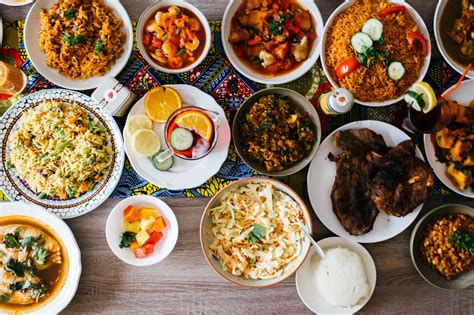
- Jollof Rice: A popular dish that originated in West Africa but has been adopted by many other regions across the continent. It’s a one-pot dish made with rice, tomatoes, onions, bell peppers, chili peppers, garlic, ginger, and various spices like cumin and paprika.
- Yassa Chicken: A Senegalese specialty made with marinated chicken that’s cooked slowly over hot coals until it’s tender and juicy. The marinade typically consists of lemon juice, garlic, onion powder, Dijon mustard, black pepper, nutmeg or cayenne pepper for heat.
- Fufu: A type of doughy paste made from starchy root vegetables like cassava or yams that are boiled then mashed into a thick paste-like consistency. Fufu can be eaten alone or served with stews or soup-based dishes such as okra soup or peanut soup (also known as groundnut stew).
- Egusi Soup: A rich and flavorful dish that traditionally comes from West African countries. It is made with melon seeds and commonly includes vegetables, aromatic spices like cloves and nutmeg, and meat or fish. Egusi soup has a unique, nutty flavor that brightens any meal and is made with indigenous ingredients. The melon seed paste gives it a creamy texture which pairs perfectly with the protein and vegetables to create a hearty meal.
- Ndole: A traditional dish from the Cameroon region of Africa. The base ingredient of this delicious dish is bitterleaf, which has a unique and earthy flavor when boiled and mixed with a special fish or beef broth. The individual ingredients are combined to create a spicy and richly flavored sauce that’s served over rice or fufu, a West African staple food made from plantains or cassava root.
- Alloco: A traditional food from the Ivory Coast in West Africa and is a popular street food in the African continent. The dish consists of fried plantains, garlic, onions, peppers, and tomatoes. It can be served as a side dish or main meal with protein like fish, chicken or beef. However it remains a traditional street food item due to its accessibility and relatively low price point. Alloco is considered a healthier alternative than processed or sugary snacks like chips and candy.
- Nigerian Fried Plantains (Dodo): A popular dish in Nigerian cuisine. It is made by slicing unripe plantains into cubes and deep-frying them until they are golden and crisp. It has become a favorite among locals and tourists alike for its unique combination of sweet and savory flavors. Additionally, their appealing color and texture provide a delightful experience to eating the beloved dish.
- Thieboudienne: A traditional Senegalese dish and it’s become a popular dish throughout West Africa. The cuisine combines flavors that are unique to the area, like cream, tomato sauce, onion, garlic and fish. Thieboudienne is seen as a comfort food in Senegal and its appeal has spread beyond the region. It can often be found on restaurant menus around the world as people seek out recipes outside of their own cultural experience.
- Kedjenou: An iconic regional dish from Cote d’Ivoire in West Africa. It is a delicious tradition that has been enjoyed for centuries and consists of a stew made with chicken, tomato sauce, onions and other vegetables. Kedjenou is typically served over white rice and can also be accompanied by a side dish of spicy chopped lettuce or tomato salad.
- Maafe: A popular West African dish that features a thick, rich stew with a variety of meats and vegetables. Maafe is often served over rice or couscous and made with nutritious ingredients like potatoes, carrots, onions, and chicken; all united by the amazing flavors of peanut butter, tomatoes and spices. Preparing maafe requires dedication and expertise, making it a proud staple of West African cuisine.
- Akara: A delicious dish enjoyed by many cultures across the globe. Originating from West Africa, this dish is a delightful combination of beans, spices, and herbs fried to perfection. It can be served with accompaniments ranging from fresh vegetables and yoghurt to steamed rice and plantain.
- Banga soup: A traditional dish indigenous to some parts of Nigeria and Cameroon. Furthermore, banga soup is usually eaten with fufu - boiled cassava flour pounded into a sticky dough-like mass first invented by the Igbo people in Nigeria.
- Garri: A staple food item in Western Africa. It’s made of cassava that is grated, dried and processed, into a white or yellow flour-like powder. This powder is then mixed with cold water, mashed and formed into small balls. In Nigeria, garri is served in many ways - as a side dish or snack all by itself, added to hot soups as a thickening agent, or as Eba, which is boiled in water until softened before adding other ingredients like vegetable oil or palm oil.
- Cachupa: A traditional stew dish originally from the Cape Verde islands, in the coastal regions of Africa. Cachupa is the national dish of Cape Verde. It is typically made with corn, beans, sweet potato and various other vegetables, along with fish or meat for protein. All the ingredients are slow cooked together in a large pot until everything is tender and flavorful. In Cape Verde, cachupa is customarily served at special occasions such as weddings and baptisms, but it’s also enjoyed among families on a more frequent basis.
- Calulu: A traditional food of the Congo that has quickly gained notoriety in other parts of the world. This dish consists of okra, vegetables, and fish all cooked together in palm oil and coconut milk. People from all walks of life can enjoy this special African delicacy for it is extremely versatile and customizable - allowing for an amazing variety of combinations.
West African Snacks and Desserts
African cuisine is known for its newfound popularity around the world, with West African snacks and desserts being among some of the most beloved. The wide variety of recipes from countries such as Nigeria, Ghana, Liberia, Sierra Leone and more are a testament to true African culture, with many recipes still passed down through generations of families.
- West African Crunchies: This delicious treat is crafted from fiery spices, local fruits, and subterranean tubers to provide a burst of flavor that takes your taste buds on an adventure with every bite.
- West African Chin Chin: A delicious snack, often enjoyed with tea or coffee. Made from a simple dough of flour, sugar and oil, the dough is deep fried until golden brown. The perfect treat for a special occasion or just as a little something to enjoy in between meals, West African chin chin really has it all!
The Rising Popularity of West African Cuisine
Spicy jollof rice? Suya beef kabobs? These are West African dishes, and according to data from Open Table, West African food represented the top trending cuisine of 2023, rising 72% year-over-year.
Now, key elements of West Africa’s culture - including dishes like spicy jollof rice - are frequently highlighted on social media for the world to see. “What fuels this culinary renaissance? It’s a confluence of factors,” noted Mark Haas, who leads a staff of CPG specialists as the CEO of Helmsman Group.
“This isn’t just a fleeting trend,” Haas said. As the popularity of African dishes rises around the world, most of the conversation has focused on their appearance, spiciness, and recipes, more intensely on ownership and appropriation, but barely on how they came about.
African dishes have gone global first via the transatlantic slave trade and most recently through migration, social media, and viral videos. The best-known example is the Jollof wars.
Key Ingredients and Their Significance
Here's a table highlighting some key ingredients in West African cuisine and their origins:
| Ingredient | Origin | Significance |
|---|---|---|
| Chili Peppers | New World (Americas) | Adds heat and spice, believed to help cool the body in hot climates. |
| Maize | New World (Americas) | Staple grain used in various dishes. |
| Tomatoes | New World (Americas) | Base for many sauces and stews. |
| Peanuts | South America | Used in stews and sauces, such as groundnut stew (maafe). |
| Cassava | South America | A staple root vegetable used to make fufu, garri, and other dishes. |
| Plantains | Southeast Asia | Eaten fried, boiled, or roasted as a side dish or snack. |
| Okra | Northeast Africa | Used as a thickener in soups and stews. |
| Palm Oil | West Africa | A core component of many dishes, especially in the Niger Delta region. |
| Rice | Asia | A common staple, especially in dishes like Jollof Rice and Thieboudienne. |
