June marks the beginning of winter in South Africa. This is the beginning of the peak game-viewing period in the northern reserves. The area begins to dry; and as foliage decreases, animals become easier to find. With June's weather being mostly mild to warm, with very little rainfall, there are lots of great things to do both indoors and outdoors.
Let's explore what you can expect in different regions of this diverse country.
General Overview of South Africa in June
Winter in South Africa means temperatures ranging from cool to warm and mostly dry weather. It's a great time to visit Kruger National Park, Kalahari, the Drakensberg Mountains, and Cape Town.
June is not within South Africa's peak tourist season, meaning that the costs are generally lower for transportation and accommodation. June 16 is Youth Day throughout South Africa every year, celebrating the contribution that young people made in South Africa's struggle for freedom.
With temperatures ranging between cool to warm in June, what you wear will depend on where you are visiting and what you are doing during your time in South Africa.
Read also: Property Practitioners Regulatory Authority
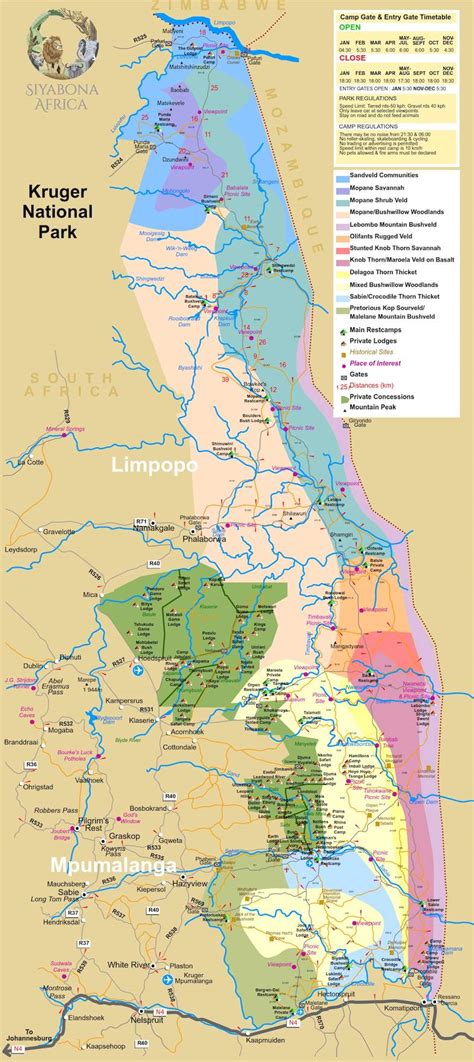
Kruger National Park and Surrounds
The dry season continues into June in Kruger National Park and surrounds. As the vegetation turns from lush green to dry golden hues, animals are more easily seen as they traverse the vast plains in search of food and water. The weather makes it the perfect opportunity for a safari in South Africa since the wildlife tends to be more visible as they’re in search of water sources.
Daytime temperatures in Kruger National Park and surrounds can reach a high of 25 °C/77 °F and a low of 9 °C/48 °F, with very chilly conditions in the early mornings and evenings, so warm clothes are a must for game drives. The dry weather opens up more opportunities to explore the wilderness, such as horseback riding safaris. With an average rainfall of only 0.2 in this month, you’ll enjoy clear skies during game drives and walking safaris.
The ‘Kruger & Around’ sections below relate to the parks and reserves in Greater Kruger and in the KwaZulu-Natal Province. These parks have a climate pattern similar to Kruger National Park. The winter months (May to September) receive little to no rainfall. Early mornings can be quite cold and afternoon temperatures pleasant.
Game viewing in most parks improves considerably, and all the countries in which we work present a genuine option for your vacation.
Read also: Discover Thula Thula
June in South Africa is officially the start of winter, this is the beginning of the peak game-viewing period in the northern reserves.
Kruger National Park and adjoining game parks can be crowded during the late-June mid-winter school holiday. Plan a visit in early June, or consider some of the lesser-known reserves further afield, such as Tswalu Kalahari and Kgalagadi Transfrontier Park, famous for their black-maned lions. The sunny days are warm, but temperatures can plunge below freezing at night.
East vs. South Africa - Where Should You Go on Safari?
Cape Town and the Western Cape
In Cape Town, temperatures continue to plummet and rainfall increases. For reference, on January 27, the hottest day of the year, temperatures in Cape Town typically range from 63°F to 76°F, while on July 11, the coldest day of the year, they range from 48°F to 62°F.
The month of June in Cape Town experiences essentially constant cloud cover, with the percentage of time that the sky is overcast or mostly cloudy remaining about 42% throughout the month. The clearest day of the month is June 19, with clear, mostly clear, or partly cloudy conditions 60% of the time.
Read also: Traditional South African Bread
In Cape Town, the chance of a wet day over the course of June is essentially constant, remaining around 26% throughout. The average sliding 31-day rainfall during June in Cape Town is gradually increasing, starting the month at 2.6 inches and ending the month at 2.9 inches.
Over the course of June in Cape Town, the length of the day is essentially constant. The shortest day of the month is June 21, with 9 hours, 54 minutes of daylight and the longest day is June 1, with 10 hours, 2 minutes of daylight.
The average hourly wind speed in Cape Town is essentially constant during June, remaining within 0.2 miles per hour of 11.2 miles per hour throughout. The average surface water temperature in Cape Town is essentially constant during June, remaining within 1°F of 60°F throughout.
The ‘Cape Town & Around’ sections below apply to the entire Western Cape and nearby parks. Cape Town and surrounding areas receive most precipitation in winter (May to September). This is opposite to the rainfall pattern in most of the country, including Kruger. Summer (October to April) in Cape Town is warm and mostly dry.
Cape weather in June is unpredictable, with temperatures struggling to reach the mid-60s°F and plenty of rains to put a dampener on beach activities. Cape Town and the Western Cape receive relatively few visitors in June.
June marks the start of the whale migration along the Cape coast, reason enough to head to Hermanus to watch the whales' arrival. However, once the winter school break begins after mid-June, expect the roads and seaside towns to be busy with local families making the most of whale-watching season. And anticipate the chance of wet and cold winter weather along the coastal Garden Route.
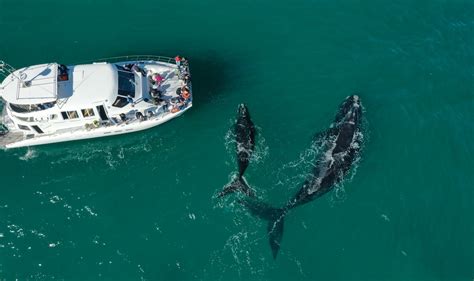
Whale Watching in Hermanus
Starting from June, Hermanus sees the southern right whale travel close to the shore. These whales migrate to the waters of Hermanus to breed and nurse their young.
Other Regions and Activities
Tswalu offers safari-goers a sublime desert adventure complete with a star bed experience (sleeping beneath the open sky) and visiting meerkat families. This time of the month sees cold early mornings and evenings, brilliant blue skies, and golden grasses drying out.
The beautiful Kalahari Desert crosses from Botswana and Namibia into South Africa's north, and is home black-maned lions, which have roamed this desert for centuries. The Kalahari Desert has two seasons, a hot season that is wetter (but still with low rainfall) between October and April, and a cooler, dry season which runs from May through to November.
South Africa boasts some of the world's top golf courses, and June is a perfect time to tee off at Leopard Creek, on the southern border of Kruger National Park. Laid out along the Crocodile River, this signature course has hosted some of South Africa's top golf competitions. Where else will you see hippos wallowing in the water hazards or giraffes strutting across the greens?
June likely won't be the ideal time to drive the Garden Route, but the Wild Coast beckons with milder weather north of Port Elizabeth. Combine this stunning swatch of the Indian Ocean coastline with a drive inland to the small university city of Makhanda to indulge in all the fun of the National Arts Festival.
Events in June
- National Arts Festival, Makhanda (Grahamstown): Eastern Cape hosts South Africa's largest arts festival, featuring genres from art to fringe theater. Performances take place in dozens of venues across town.
- Soweto International Jazz Festival, Johannesburg: Each mid-June, the Johannesburg suburb of Soweto resounds to four days of jazz and other musical sounds.
- Winter Wonderland Festival, Gordon's Bay: Held over two weekends in June, this decade-old festival is a great place to take kids.
Monthly Weather Information and Recommendations
Here's a summary of what to expect in June:
- Winter extends into June, and temperatures continue to drop.
- Nighttime temperatures can be surprisingly cold (in the mid- to low 40s F and sometimes even colder).
- Highs will be in the upper 60s to mid-70s, so you will want to be able to remove layers as daytime temperatures get warmer.
- The Cape Province (including Cape Town) often experiences lovely sunny but cool weather during this period.
- June is also the rainy season in the Cape-while some days can be wet and windy, these are usually interspersed with beautiful, sunny days.
A rain jacket is recommended for travelers visiting Cape Town this time of year.
| Location | Average Temperature | Rainfall |
|---|---|---|
| Johannesburg | Mid-40s to Upper 60s (°F) | Minimal |
| Cape Town | Mid-40s to Mid-70s (°F) | Rainy Season |
| Kruger National Park | Mid-40s to Mid-70s (°F) | Minimal |
Popular articles:
tags: #Africa
