Ethiopia, a land of ancient civilization and unparalleled resilience, holds a deep connection to the lion as an emblem of strength, bravery, and national pride. Among the many animals that grace the cultural and historical narratives of nations, the lion occupies a unique place in Ethiopian heritage. For Ethiopians, the lion embodies the virtues of courage and determination. These traits are not just aspirational but deeply ingrained in the fabric of Ethiopian identity.

The Lion in Ethiopian Culture
In Ethiopian society, heroism and strength are often associated with qualities such as bravery, leadership, and the ability to protect and guide others. The lion, with its commanding presence and fearless demeanor, serves as the ultimate role model. This symbolism transcends generations. From the warriors of Adwa to modern-day Ethiopians, the lion remains an enduring source of inspiration.
The Lions embody a range of admirable traits that offer valuable life lessons. Their courage and bravery inspire us to face challenges boldly, while their leadership exemplifies guidance, protection, and decisiveness. Operating in prides, lions demonstrate the power of teamwork and unity, showing that collaboration leads to success. Their strength and resilience remind us to endure hardships, and their focus and strategic approach highlight the importance of clear goals and planning. Lions also teach adaptability to changing circumstances, the balance between action and rest, and the confidence to trust in our abilities.
Lion of the Tribe of Judah | History, Symbolism, and Spiritual Meaning Explained
The Black Lion and the Fight Against Colonialism
Perhaps the most profound representation of the lion in Ethiopian history is the Black Lion, a symbol of resistance during the fight against colonialism. When Italy attempted to invade Ethiopia in the late 19th and early 20th centuries, the lion became a rallying point for national pride and defiance. The Black Lion represented the unity and strength of Ethiopian warriors who refused to bow to foreign domination.
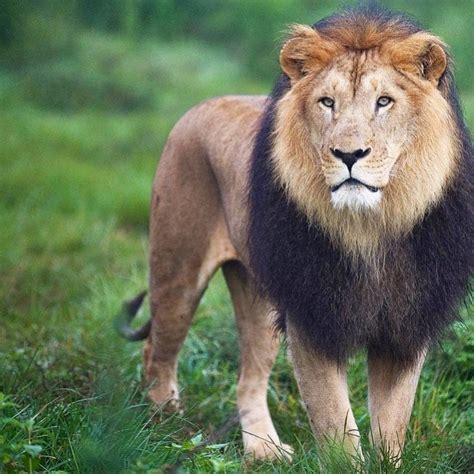
To further illustrate the significance of the lion in Ethiopian culture, consider the following table:
Read also: Services at Black Lion Hospital
| Symbolic Trait | Cultural Significance | Historical Relevance |
|---|---|---|
| Courage | Inspires Ethiopians to face challenges | Motivated warriors during colonial resistance |
| Leadership | Represents guidance and protection | Associated with emperors and leaders |
| Strength | Embodies resilience and endurance | Symbolized unity against foreign domination |
The Lion’s Modern Relevance
Today, the lion continues to inspire Ethiopians, remaining a powerful symbol in cultural narratives and historical references. It serves as a reminder of Ethiopia's proud history and the values that define its people.
The Lion of Judah and its Broader Significance
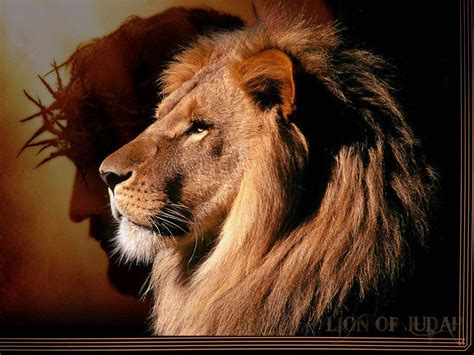
The lion of Judah has been a Jewish symbol since ancient times. At the end of the Book of Genesis, the dying patriarch Jacob gathers his sons, the primogenitors of the twelve tribes of Israel, and gives them each a blessing. Judah came to be the dominant tribe of Israel, and a symbol for the entire Jewish people, after the ten of the tribes were lost following a revolt that led to them being conquered by the Assyrians. The word Judaism itself derives from the tribe of Judah.
In ancient Jewish sources, the lion is a symbol of fierce strength and nobility. Though no longer found in that part of the world, they populated ancient Israel and posed a deadly threat to its inhabitants. Biblical heroes, such as David and Samson, demonstrated their might by slaying them single-handedly. In the Talmud, the lion is called “king of the beasts” (Chagigah 13b) and rabbis refer to their most esteemed colleagues as lions (Gittin 83a, Shabbat 111a). Lions have been a part of Israelite and then Jewish imagery from the beginning: Lions adorned the Temple in Jerusalem (1 Kings 7:29) and prophetic visions of the divine chariot described lions as part of God’s throne (e.g. Ezekiel 1:10). The lion has appeared on some of the earliest Jewish coins as well as, in the early 1980s, the half shekel of the modern State of Israel. It is a motif found on Jewish ritual objects, including menorahs, ketubahs and synagogue decorations, and on Jewish cemetery headstones.
In another indication of its significance, Hebrew has several words that mean lion: aryeh (most common), lavi or leviah (often but not exclusively used for female lions), kefir (young male lion), gur (lion cub), layish and shachal (both more poetic). Many Jews name their children using a word for lion, most often Aryeh, Ariel (lion of God) or Ari (diminutive). Since the lion is a symbol of Judah, it is frequently combined with that name, making Judah Aryeh a popular choice.
The lion of Judah is a popular image beyond the Jewish community. Because the lion is associated with the messiah, it has also been adopted as a symbol of Jesus among Christians. In addition, the lion of Judah served as a symbol of the Solomonic dynasty of Ethiopia, a nearly nine-centuries long line of emperors who claimed descent from the Israelite King Solomon and Queen of Sheba.
Read also: Ethiopian Heritage: Lion Monument
Read also: The Shrinking Kingdom of African Lions
Popular articles:
tags: #Ethiopia
