The Adinkra symbols are a vital part of the cultural heritage of the Akan people of Ghana. These symbols are visual representations of concepts, aphorisms, and proverbs. They were originally created by the Bono people of Gyaman and are used to convey traditional wisdom and values.
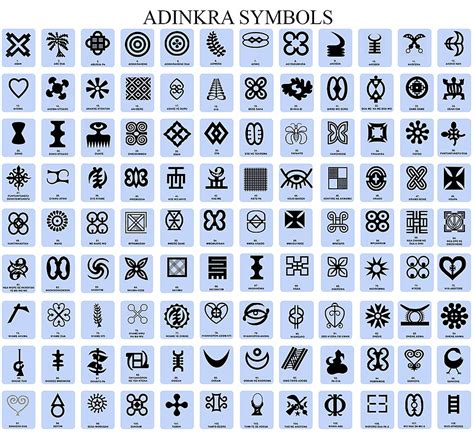
Adinkra are used extensively in fabrics, logos, and pottery. They are incorporated into walls and other architectural features. Adinkra symbols appear on some traditional Akan goldweights and are also carved on stools for domestic and ritual use. These symbols have a decorative function but also represent objects that encapsulate evocative messages conveying traditional wisdom, aspects of life, or the environment. There are many symbols with distinct meanings, often linked with proverbs.
Adinkra Symbols and Meanings
Gye Nyame: Supremacy of God
Gye Nyame, meaning “except for God,” symbolizes God’s omnipotence through the knowledge that people should not fear anything except for God. Another interpretation of “except for God” is that no one has seen the beginning of all creations, nor will anyone live to see the end, except for God.
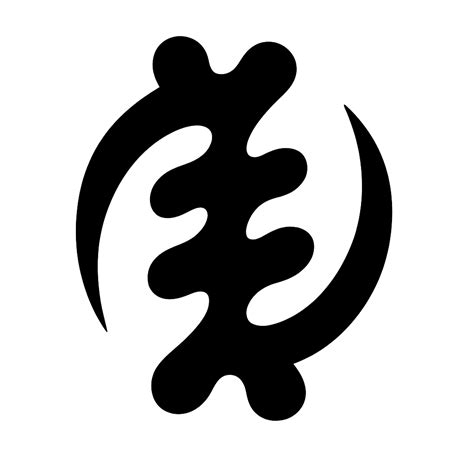
Gye Nyame indicates the recognition of the supremacy of God over all beings and therefore is the one that is feared and revered by all. This is one of the many Adinkra symbols of West Africa, Ghana, and is used by the Akan people in various decorations, clothing, and artwork. Some say that the symbol represents a spiral galaxy, or two hands with different gestures that refer to God being supreme to the simplistic ideals of male and female identifications that are used today.
The expression “Gye Nyame” can be used in many ways. For example, it could signal the necessity of God’s intervention in a difficult situation which transcends the ability of man to resolve. It could also be used to show the relative greatness of a task or entity. As one of the most popular Adinkra symbols, one would expect to see Gye Nyame in at least a few logos and other important places. This expectation is fulfilled in the plethora of places where the logo is used. One notable use of Adinkra is on the highest denomination banknotes of Ghana, the 200- and the 100-cedi notes. On the 200 cedi note, we find the Adinkra Gye Nyame while on the 100 cedi note, we find the Adinkra Dwennimmen.
Read also: Baskets from Ghana
It is interesting to note the difference in orientation of the Gye Nyame symbol in both logos. This difference in orientation arises because the Gye Nyame symbol is chiral. That is, it is not identical to its mirror image, even after rotation and translation. According to Eglash, Bennett, Lachney, and Bulley, the knobs or lumps down the middle of the symbol represent the knuckles on a fist, a symbol for power. They also say the curves at each end do not represent any one particular living shape but are an abstraction for life itself.
Here are some proverbs related to Gye Nyame:
- God is everywhere and we can know him through his creation which even children can see.
- God is the one who sustains man’s existence.
- God is great and mighty and all things that have to do with him are equally great and mighty.
- Animals use their tails to brush flies and other things from their bodies, indicating that God provides for his creation.
- God is omnipresent.
Nyame Dua: God's Presence and Protection
"Nyame Dua" translates to "God's Tree" or "God's Altar" in English. The symbol depicts an altar created from a sacred tree, often seen in Akan villages where rituals and prayers are conducted. In Akan culture, trees hold a special significance as they are seen as bridges between the physical and spiritual realms. The Nyame Dua, therefore, signifies the direct presence and constant protection of the divine.
The physical representation of Nyame Dua is typically a wooden post or tree stump, which serves as a tangible connection to the spiritual world. The Nyame Dua is not just a symbol but also a physical entity in many Akan communities. It is a wooden post or tree stump placed in front of a house or in a communal area, signifying a place of worship and reverence. The Nyame Dua is also a powerful symbol during important ceremonies such as festivals, weddings, and funerals.
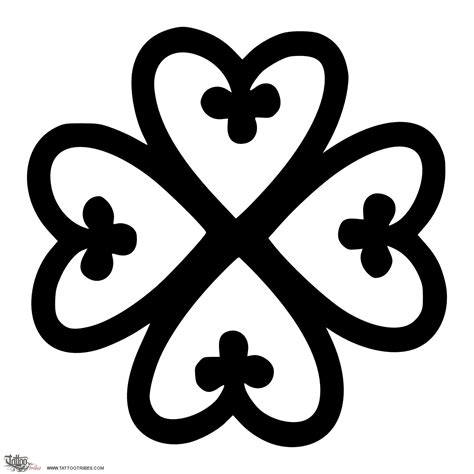
In addition to its role in ceremonies, the Nyame Dua serves as a daily reminder of the presence of God. It is common to see these altars in homes and public spaces, where they stand as symbols of faith and devotion.
Read also: Ghanaian Business Profile: Franko Trading
Proverbs and sayings in Akan culture often encapsulate the wisdom and values conveyed by Adinkra symbols. This proverb highlights the belief in divine providence and the constant presence of God in the lives of the Akan people. This saying reflects the belief in God's eternal protection and the idea that with divine grace, one's soul is safeguarded.
According to historical accounts, the symbols were initially used by royalty and spiritual leaders to convey profound messages and to decorate their attire and sacred spaces. Nyame Dua, specifically, was a symbol of great importance due to its association with divine presence. It was believed that the altar could attract the benevolence and protection of the gods, making it a vital part of communal and spiritual life.
Over time, the practice of using Adinkra symbols expanded beyond royalty and spiritual leaders to the wider community. In contemporary times, the Nyame Dua symbol has transcended its traditional roots and found its place in various modern contexts. It is commonly used in Ghanaian art, fashion, and architecture to evoke a sense of spirituality and cultural identity. Furthermore, Nyame Dua is also seen in corporate logos and institutional emblems, signifying a connection to cultural heritage and a commitment to spiritual values. Additionally, the symbol is often featured in educational materials and cultural exhibitions, helping to preserve and promote the rich heritage of the Akan people.
Nyame Dua, the Adinkra symbol representing God's tree, embodies the profound connection between the Akan people and their spirituality. It signifies God's presence, protection, and the sacred space where humans can commune with the divine. Whether seen in a traditional village setting or incorporated into modern design, Nyame Dua stands as a powerful reminder of the divine presence in everyday life. Its enduring significance highlights the importance of spirituality and cultural heritage in shaping the values and beliefs of communities.
Read also: Ghana Soccer Jersey
Popular articles:
tags: #Ghana
