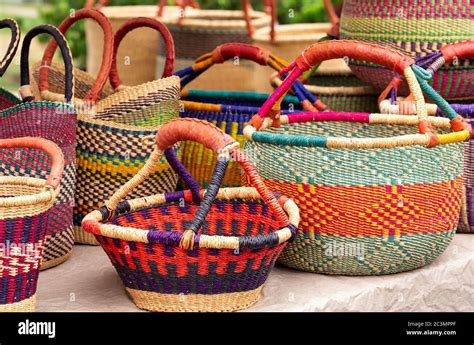
African handmade woven baskets are a testament to the rich tradition and artistry that thrives on the continent. These intricately crafted creations serve not only as functional items but also as stunning pieces of art that can enhance any living space. These baskets connect us to the rich heritage of Africa, while also offering sustainable, eco-friendly, and visually striking home decor options. What are African baskets they are pieces of history, woven with care, culture, and purpose.
A Storied History
Africa has a long and storied history of basket weaving, dating back thousands of years. Basket weaving in Africa can be traced back to ancient times. Archaeological evidence, such as fragments of baskets found in Egypt, suggests that the craft was practiced as far back as 10,000 to 12,000 years ago. African Baskets go back, way back, even pre-dating pottery. Archeologists discovered ‘imprints’ of African baskets in Gambol's Cave, Kenya dating back some 10,000 years - the actual natural materials having long been returned to the earth. This tradition is deeply intertwined with the diverse cultures and tribes across the continent. Basket weaving in Africa isn't just a skill; it's a cultural expression. It's a way for communities to pass down their heritage from generation to generation.
Wide winnowing baskets, known as fanners, were the earliest and most important type of coiled basketry made by Africans in North America. From the introduction of rice in the late 1600s to well into the 20th century, fanner baskets were used to separate rice grains from husks. Pounded grains of raw rice were placed in a fanner and tossed into the air or dropped from one basket to another. After the wind blew away the chaff, the rice was ready for cooking. In Africa coiled or woven baskets continue to be used to process grain and to cover bowls of food.
The Evolution of African Baskets
Over the centuries, Woven baskets have evolved. What once began as functional objects used only to carry items and store food have evolved into highly sought-after works of art. What makes African baskets so unique is the craftsmanship that goes into creating each piece. Artisans still use traditional methods, but the designs have evolved. While functionality has always been a priority, modern woven baskets now display intricate patterns and vibrant colors, making them beautiful enough to be admired as works of art. The evolution of baskets into contemporary art also speaks to the resilience and adaptability of African cultures.
Materials and Techniques
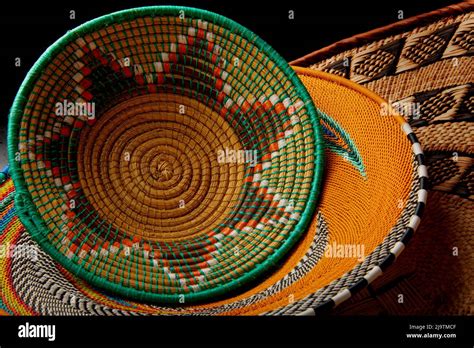
African basket weavers primarily use natural materials to create their masterpieces. The materials used for basket weaving vary widely across the continent, depending largely on local vegetation. Common materials include palm leaves, reeds, grasses, papyrus, and bamboo. In some regions, tree bark, roots, and even animal hair are used. Grasses, palm leaves, and raffia are some of the most commonly employed materials. Once the materials are collected, they’re prepared for weaving. This involves drying, dyeing, and sometimes splitting the materials into thinner strands.
Read also: Experience Fad's Fine African Cuisine
In addition to natural materials, the use of colorful dyes adds vibrancy to African baskets. Dyes are often derived from plants and minerals found in the local environment, further connecting the baskets to the regions they come from. The techniques used in African basket weaving can be incredibly intricate, with some artisans specializing in specific weaving methods. The techniques also vary, with different weaving styles seen in coiling, twining, and plaiting. These patterns and techniques are not only visually appealing but also carry cultural significance. They often reflect the stories, beliefs, and traditions of the communities that create them.
Weaving Methods
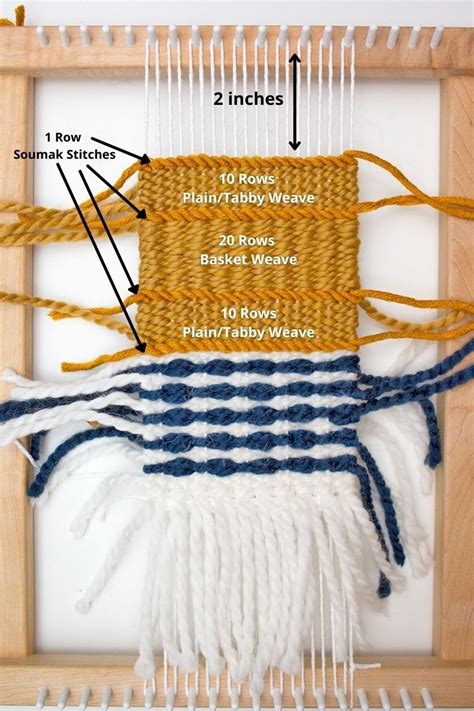
- Coiling: Coiled baskets are crafted from one continuous strand or from bundles of fibers sewn together in a spiral.
- Plaiting: This involves interlacing materials in a simple over-and-under pattern.
- Twinning: Twinning uses two or more flexible elements twisted around a stationary warp.
Cultural Significance and Symbolism
In many African cultures, basket weaving is more than just a craft-it's an integral part of the cultural heritage. Baskets are often imbued with symbolic meanings and are used in various ceremonies and rituals. African handmade woven baskets hold cultural significance and are used in traditional ceremonies and rituals. They can symbolize aspects of life, such as fertility, unity, or protection. In a way, each African basket is a silent storyteller, sharing narratives from the artisan's life and heritage. Each pattern and design holds meaning, often reflecting the culture, values, or personal stories of the artisan. For example, in many African cultures, certain patterns and colors are used to tell stories-stories of love, family, struggle, and triumph.
Regional Variations
In Africa, there are many different kinds of hand-woven baskets, each with its own style, pattern, and purpose. African baskets are complex. Weaving and dyeing techniques, as well as materials, vary widely across the continent and even across most of the countries in Africa.
Bolga Basket & Bolga Basket Market
- West Africa: In West Africa, particularly in countries like Ghana and Senegal, basket weaving often involves vibrant colors and intricate patterns. For instance, a Bolga basket from Ghana is known for its strong handle and bright colors.
- Southern Africa: In Southern Africa, countries like Botswana and South Africa are known for their skill in weaving. For example, a Zulu basket from South Africa often has very detailed patterns and tight weaving.
- East Africa: East Africa, particularly Rwanda and Burundi, is famous for its tightly woven baskets, often with a lid, known as 'peace baskets'. In neighbouring Rwanda, not that far from Kasese, the baskets are bright and conical and smooth, and the materials run to grasses and reeds.
Bolga Baskets: A Closer Look
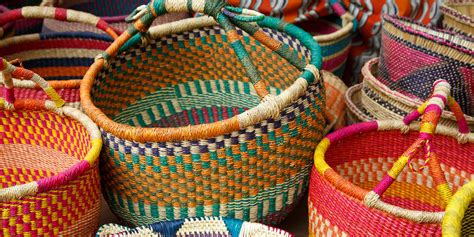
Bolga baskets, also known as elephant grass baskets, have become synonymous with both beauty and functionality. These exquisite woven baskets hail from the Bolgatanga region of Ghana, where they are meticulously crafted by hand using time-honored techniques passed down through generations. The story of Bolga baskets begins in the Bolgatanga region, located in the Upper East Region of Ghana. The name "Bolga" is derived from the capital city of the region, Bolgatanga, which has long been a hub for basket weaving in Ghana West Africa.
Craftsmanship and Materials
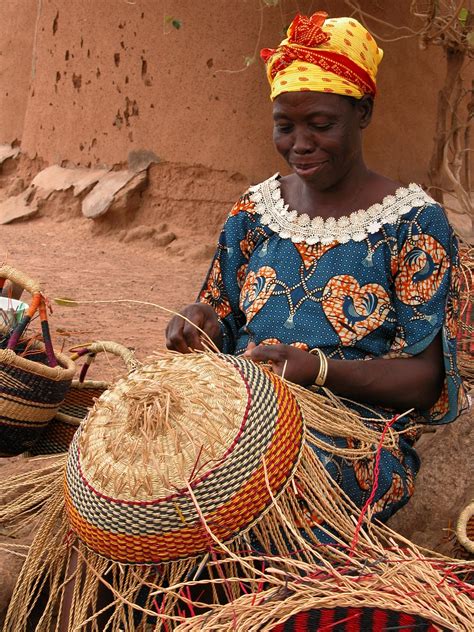
One of the defining features of Bolga baskets is the material used in their creation: elephant grass. The grass is harvested and then dried in the sun to achieve the desired durability and flexibility. Once dried, the grass is split into thin strips and dyed using natural plant-based dyes, which contribute to the vibrant colors that are characteristic of these baskets. The weaving process itself is labor-intensive and requires a high level of skill. Each basket is crafted by hand, with artisans often spending several days to complete a single piece. The intricate patterns and designs are a reflection of the weaver's skill and creativity.
Read also: The Story Behind Cachapas
The Role of Women in Basket Weaving
Basketry is a skill that is passed down from generation to generation, from mother to daughter. In the Makueni region of Kenya, the tradition of weaving baskets started in the early 1930's. The women weaved baskets for shopping, carrying goods in the markets, storing food, spices and water, and giving as gifts at weddings. Women are the future of this industry in Africa. The women gather the materials in season - palm and banana leaves and sisal fibres, among others. Many types of grasses and leaves can be used. These women are incredible, and it is their drive and commitment that is the future of African baskets. First, they learn their craft by spending hours upon hours as children, watching their mothers and grandmothers weave the baskets. As their mothers’ mothers and grandmothers did. There are layers of stories and layers of love woven into these baskets.
Sustainability and Ethical Practices
In African basket weaving, it’s important to focus on sustainable and ethical practices. Fair trade is a big part of this, as it helps ensure that the artisans are treated well and paid properly. African handmade woven baskets are also environmentally friendly. The use of natural materials and dyes contributes to their eco-friendliness. In a world increasingly focused on sustainability, African woven baskets offer a guilt-free option for home decor. Woven baskets stand out as a perfect example of how we can create beautiful things while respecting nature. Elephant grass is not only abundant but also very hardy, making it ideal for making sturdy, long-lasting baskets. The sale of African baskets allows these women to send their children to school and improve the living conditions in their communities. It’s a sustainable, closed-circle craft - the materials come from the earth and go back to the earth. They are helping the environment and their communities by using ancestral skills. And that’s important work.
The Versatility of African Baskets
African handmade woven baskets are incredibly versatile. While their stunning aesthetics make them a popular choice for decoration, they are also highly functional. When you look at your basket, think of the thousands of years of knowledge, of trials and error, of family connections, that have been woven into the strands. With intention. With skill. With feeling. No matter which shape, which colour palette, which pattern - your basket is something that is personal. These baskets can be used for practical storage solutions, such as organizing magazines, blankets, or toys. Beyond their utility, woven baskets are also decorative pieces that can bring warmth and beauty to any room. They can be used as part of a centerpiece, hung on walls as a display of artistry, or placed in corners to add texture and color.
Ways to Incorporate African Baskets into Your Home Decor
- Use them as wall decor to add texture and visual interest.
- Utilize them for stylish storage solutions in living rooms, bedrooms, or bathrooms.
- Incorporate them into table centerpieces or displays.
Global Recognition and Contemporary Influence
African handmade woven baskets have gained international recognition and popularity. African baskets have become sought-after items in the global market. Beyond their traditional uses, African baskets have inspired contemporary designers and artists. Elements of African basketry can be seen in modern fashion, interior design, and even architecture.
The Economic Impact
The craft of basket weaving plays a significant role in the economic well-being of many African communities. Basket weaving is not just a means of income; it's a source of pride and empowerment for local communities. The income generated from selling handmade woven baskets contributes to economic sustainability in regions where other employment opportunities may be limited.
Read also: Techniques of African Jewellery
Challenges and Preservation
While the art of basket weaving is cherished and celebrated, it is not without its challenges. The rise of mass-produced, imitation baskets can make it challenging for authentic African woven baskets to compete in the market. In a rapidly changing world, preserving traditional basket weaving techniques can be difficult. The preservation of African handmade woven baskets goes beyond their economic impact. Museums and cultural institutions play a crucial role in preserving and showcasing African woven baskets. Promoting awareness and appreciation of African basketry is essential. Behind every stunning African handmade woven basket is a skilled artisan with a story to tell.
Selecting and Caring for Your African Basket
Selecting the right African woven basket for your home involves considering various factors, from size and shape to design and authenticity. - Shape: African baskets come in various shapes, from round to oval and even square. When purchasing African woven baskets, authenticity is essential. Ensure that the basket you're buying is handmade by artisans from the region it claims to originate from. African handmade woven baskets add a touch of uniqueness and charm to any space. Once you've chosen the perfect African woven basket, it's time to incorporate it into your home decor. African handmade woven baskets blend seamlessly with various decor styles, from bohemian and eclectic to minimalist and modern.
Tips for Authenticity
- Purchase from reputable fair trade organizations.
- Look for artisan cooperatives.
- Check online marketplaces that specialize in ethically sourced products.
Rufina Designs and Supporting Artisans
When you buy a basket from Rufina Designs, you’re doing a lot of good. You’re helping the artisans and their families, keeping age-old crafts alive, and supporting practices that are good for our world. The work of these artisans goes far beyond creating beautiful objects; it helps preserve culture, support communities, and inspire creativity worldwide. Choosing African handmade woven baskets for your home decor is an environmentally responsible choice. Authentic African handmade woven baskets may come with a higher price tag compared to mass-produced alternatives. Finding authentic African woven baskets may require some effort. Back in 2018, I turned my love for crafting African accessories into Rufina Designs , right from my bedroom. It’s been an exciting ride ever since as I’ve delved into the vibrant world of African accessories.
Kenyan Woven Baskets
Our focus today is on Kenya. Kenyan woven baskets, also known as "mkate wa kisasa" in Swahili, have a rich history and cultural significance in the country. The origin of Kenyan woven baskets can be traced back to the traditional communities of the Maasai and Kikuyu tribes. These baskets were originally used for practical purposes such as carrying fruits and vegetables from the market or as storage containers for grains. Kenyan woven baskets have evolved to become more than just practical objects. They are now also used as decorative items and have gained popularity as a unique and authentic souvenir for tourists visiting the country. These eccentric baskets come in a variety of sizes, from small baskets that can be used to hold jewelry or trinkets, to large baskets that can be used as storage containers. The sizes can also be tailor-made to the customer's needs.
Frequently Asked Questions
| Question | Answer |
|---|---|
| Where can I find authentic African handmade woven baskets? | Authentic African handmade woven baskets can be found through reputable fair trade organizations, artisan cooperatives, and online marketplaces that specialize in ethically sourced products. |
| Are African handmade woven baskets durable? | Yes, African handmade woven baskets are known for their durability. |
| Do African woven baskets come in different sizes and shapes? | Yes, African woven baskets come in a wide range of sizes and shapes. |
| Are the dyes used in African baskets eco-friendly? | The dyes used in African baskets are often derived from natural sources such as plants and minerals, making them eco-friendly and safe for the environment. |
| How can African handmade woven baskets be incorporated into home decor? | African handmade woven baskets can be incorporated into your home decor in various ways. |
