Black culture and American music are inextricably linked. This connection stretches back to the time when enslaved people were imported from the shores of Africa, bringing with them the roots of their music and culture. Music and dance were an integral part of African life and remained important to Blacks in America. Today, there’s virtually no music we listen to that hasn’t felt the effects and benefits of that African and Black heritage.
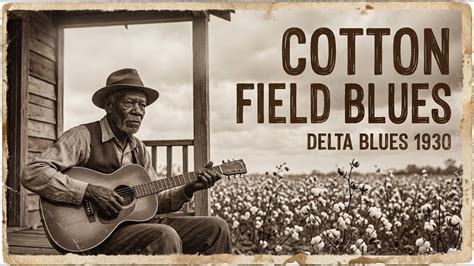
Image of African Americans singing in a cotton field, reflecting the origins of blues and spirituals.
From slave spirituals to rhythm & blues, rock ‘n roll, and hip-hop, Black music has been an instrument of expression, community, and resistance - as well as a documentarian of history. In over 400 years, Black music has continued to evolve and expand into the styles and genres we’ve familiarized today such as R&B, neo-soul, and pop. Almost all these genres can be traced to religious folk spirituals and secular “work songs.”
Work songs were sung by enslaved people as a way to motivate one another and protest the system. As those under enslavement weren’t allowed to own property, these songs were exclusively shared verbally. Often, a “call-and-response” feature was laced throughout the songs-a part that has continued to be prevalent in Black music. The transition of folk spirituals into folk blues began post-Civil War. Due to the terrorizing threats of the Ku Klux Klan, statutes of Jim Crow laws, and unjust working environments, folk blues formed not just for communication, but entertainment as well. This style incorporated harmonica, bass, guitar, and hand percussion - elements still used today.
Sacred Music: Spirituals and Gospel
Sacred music, which includes spirituals and gospel music, illustrates the central role that music plays in African American spiritual and religious life. The earliest form of black musical expression in America, spirituals were based on Christian psalms and hymns and merged with African music styles and secular American music forms. Spirituals were originally an oral tradition and imparted Christian values while also defining the hardships of slavery.
Read also: Experience Fad's Fine African Cuisine
Gospel music originated in the black church and has become a globally recognized genre of popular music. In its earliest manifestations, gospel music functioned as an integral religious and ceremonial practice during worship services. African American folk music links back to African cultural traditions. Stemming from field hollers, work chants and game songs, folk music bursts with social commentary.
During the eighteenth century, the slaves' informal assemblies in praise houses and brush arbor meetings featured songs and chants such as the ring shout, a circular dance accompanied by chanting and handclapping. In the late 18th century folk spirituals originated among Southern slaves following their conversion to Christianity. Slaves reinterpreted the practice of Christianity in a way that had meaning to them as Africans in America. They often sang the spirituals in groups as they worked the plantation fields.
African-American spirituals (Negro Spirituals) were created in invisible churches and regular Black churches. The hymns, melody, and rhythms were similar to songs heard in West Africa. Enslaved and free blacks created their own words and tunes. Spirituals from the era of slavery are called Slave Shout Songs. These shout songs are sung today by Gullah Geechee people and other African Americans in churches and praise houses. During slavery, these songs were coded messages that spoke of escape from slavery on the Underground Railroad and were sung by enslaved African Americans in plantation fields to send coded messages to other slaves, unbeknownst to the slaveholders.
Enslaved African Americans used drums to send coded messages to start slave revolts, and white slaveholders banned the creation and use of drums. Folk spirituals, unlike much white gospel, were often spirited. Slaves added dancing (later known as "the shout") and other body movements to the singing. They also changed the melodies and rhythms of psalms and hymns, by speeding up the tempo, adding repeated refrains and choruses, and replacing texts with new ones that often combined English and African words and phrases. Folk spirituals were spontaneously created and performed in a repetitive, improvised style. The most common song structures are the call-and-response ("Blow, Gabriel") and repetitive choruses ("He Rose from the Dead"). The call-and-response is an alternating exchange between the soloist and the other singers. The soloist usually improvises a line to which the other singers respond, repeating the same phrase.
From Blues to R&B
The transition of folk spirituals into folk blues began post-Civil War. Due to the terrorizing threats of the Ku Klux Klan, statutes of Jim Crow laws, and unjust working environments, folk blues formed not just for communication, but entertainment as well. This style incorporated harmonica, bass, guitar, and hand percussion - elements still used today (Carnegie). From here, folk blues spanned to vaudeville, boogie-woogie, and recognizably, rhythm & blues.
Read also: The Story Behind Cachapas
The genesis of rhythm & blues tied to the post-World War II migration of Black Southerners to the North, East, and West-this marked the creation of new, vibrant expression in previously unknown cities. Rhythm & blues combined elements of jazz, blues, swing, and even gospel. As rhythm & blues production moved toward mainstream audiences, pop elements such as group harmonies became infused to create the “Sound of Young America,” a term coined by Detroit-based, Black-owned record label Motown Records.
Groups tied to rhythm & blues' new, youthful sound included The Shirelles, The Supremes, and The Temptations. The predecessor to soul music, R&B is another stylistically-diverse genre with roots in jazz, the blues and gospel music. R&B helped spread African American culture and popularized the idea of racial integration on the airwaves and in white society.
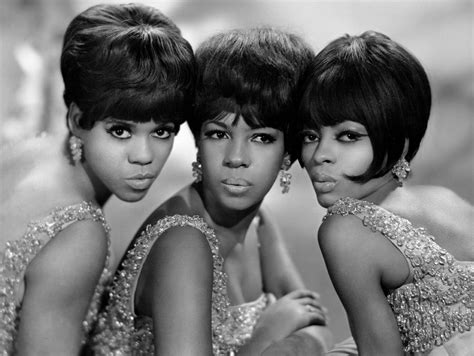
Image of Motown artists, reflecting the influence of R&B on popular music.
The Rise of Ragtime
Ragtime began in the 1890s and was popular until about 1918. Scott Joplin was a composer and largest contributor to ragtime music. Piano was the most common instrument.
In the opening number to the 1998 Broadway musical “Ragtime,” three groups- a group of white Americans, a group of Black Americans, and a group of newly arrived immigrants-take turns singing about the turn of the century and the days of “ragtime.” In the 1890s ragtime was America’s most popular music genre-Black pianists created it as a way to imitate brass and string bands on the piano, emphasizing syncopated riffs and melody. As depicted in the musical, the music was wildly popular with all Americans. Ragtime was one of the first music genres created by Black Americans and appropriated by white Americans in power.
Read also: Techniques of African Jewellery
Despite Black pianists creating the genre, Ben Harney, a white man, was the first to publish a ragtime song. Some call that stealing. Yet others say, ultimately, all forms of music are just reimaginings of things that existed before.
Blues: The Foundation of American Music
Influenced by work songs and spirituals from slaves in the deep South, Blues began in the 1860s after the Civil War. Mississippi is considered the birthplace of the Blues. Blues music described sad situations, such as woes and troubles. Guitar, upright bass, and piano were popular instruments. Key artists include Muddy Waters, B. B. King.
The blues form the foundation of contemporary American music. As did sacred and folk music, the blues also greatly influenced the cultural and social lives of African Americans. Geographically diverse incarnations of the blues arose in various regions, including the Mississippi Delta, Memphis, Chicago, Southern Texas. Each regional manifestation of the blues features a uniquely identifiable sound and message.
Jazz: Improvisation and Innovation
Jazz music has roots in blues, ragtime, and spirituals. Trumpet, saxophone, and trombone were featured instruments in jazz music along with piano, drums, and bass.
Jazz is the indirect result of overt racism. In New Orleans in the 1800s a lot of different cultures lived side-by-side. French people, Creole people, former enslaved people, free people, Latinx people and Carribean people shared the city. Many Black musicians who were descendents of enslaved African and Carribean people played blues, typically using brass instruments like the trumpet. Black Creole people were often mixed-race descendants of European colonists and lived in a higher social class than other Black people in Louisiana. Black Creole musicians were classically trained. But Jim Crow segregation essentially forced them into the same social class as every other Black person in Louisiana. That’s when classically trained Creole musicians mixed with non-Creole blues musicians. The Creole musicians started filling the blues’s slow spaces with improv. Soon the blues musicians started improvising riffs and melodies as well. They called it jazz.
Jazz, a highly improvised and syncopated band music, was a hit in New Orleans and began spreading around the country. Musicians like Jelly Roll Morton started composing jazz songs using the piano and other classical instruments. As the sound became more and more groovy Black people started creating various dances to go along with the music. By the 1910s the dances caught the attention of white youth who fell in love with them and the whole jazz vibe. By the 1920s white jazz bands had sprung up across America to meet demand. Many of the white musicians had to learn jazz techniques from Black ones.
By the mid-1950s, many R&B songs were getting "covered" by white artists and the recordings got more airplay on the mainstream radio stations. For example, "Presley quickly covered "Tutti Frutti" ...So did Pat Boone", according to New Yorker. "In 1956, seventy-six per cent of top R.&.B. songs also made the pop chart; in 1957, eighty-seven per cent made the pop chart; in 1958, it was ninety-four per cent.
Rock 'n' Roll: A Fusion of Genres
Emerging in the mid 20th century, Rock was inspired by blues, boogie woogie, gospel, and rhythm music. The most popular instrument in rock and roll music is the guitar.
Rock ‘n roll had a quicker tempo than rhythm & blues, used novel guitar and saxophone techniques, and had catchy hook lines, which appealed to younger demographics. While the birth of rock ‘n roll is oftentimes associated with white artists such as Elvis and Buddy Holly, Black artists were those at the forefront. The origin of its title can be traced back to 1920, when Trixie Smith released “My Baby Rocks Me with One Steady Roll,” a blues song that is largely ascribed to the naming of rock ‘n roll.
In 1951, Ike Turner’s band The Kings of Rhythm released “Rocket 88” which has been credited by many as the first rock ‘n roll record. Little Richard, known for singing about his queerness and religion, is regarded as the “Queen of Rock and Roll.” As Dan Auerbach of The Black Keys states, “If you love anything about the flamboyance of rock and roll, you have Little Richard to thank.” He blew up with his hits “Tutti Frutti” and “Long Tall Sally,” introducing a new sound and image into the industry.
With influence from blues guitarist T-Bone Walker, Chuck Berry a.k.a. "The Father of Rock and Roll" created his notorious two-string guitar lick. Bo Diddley was another major rock ‘n roller, otherwise known as “The Originator,” for his creation of essential rock beats. While he was majorly influential, he was never officially credited or paid for his contributions to music, akin to many other Black artists who have changed music history.
Through the 1960s, rock ‘n roll eventually transitioned into rock. Rock features powerful backbeats and basslines, as well as electric guitars, pianos, and expressive harmonies. Rock was and still is a form of activism-constantly subverting the mainstream through commentaries on sociopolitical issues such as class, race relations, and war. Despite its historically Black origin, rock became tied to white audiences and musicians, such as the Beatles and the Rolling Stones. To combat the barriers presented, Vernon Reid, Greg Tate, and Konda Mason created the Black Rock Coalition. The BRC’s main goal was to increase exposure for Black alternative artists.
Funk and Motown: The Sound of a Generation
Funk was inspired by soul music, jazz, and African grooves. Soul music helped originate funk music by adding strong rhythm to it, and disco was later influenced by funk. Common instruments included electric guitar, electric bass, drums, and electric piano, and sometimes synthesizers, trumpets, trombones, and other small percussion instruments were used.
Motown was inspired by blues music, but with more rhythm added in. This style was named after Motown Records, whose goal was to feature African American musicians.
Hip Hop: Born from the Streets
Born in New York City in the 1970s, hip hop was created by African Americans who lived in the poverty-stricken neighborhoods of Manhattan, Brooklyn, and the Bronx, and became a cultural movement. Influences came from blues, R&B, and funk. Notable musicians include Dr. Dre.
EVOLUTION OF HIP HOP (1946-2022)
Pop Music: Crossing the Bridge
Short for “popular” music, this genre has been front-and-center since the 1950s. Tommy Edwards helped cross the bridge from past genres over to pop music.
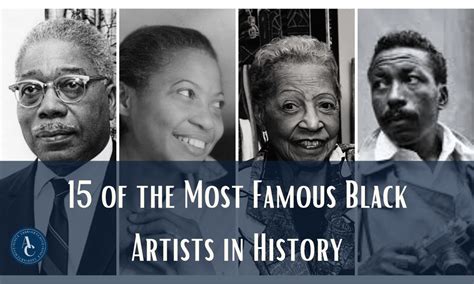
Image of various Black artists, showcasing the diversity of talent and influence across genres.
African American Contributions to Military Music
Beginning with the Revolutionary War, African Americans have always held a significant role in the armed services’ military band tradition. In the Revolutionary War and Civil War, African Americans served in fife and drum corps. Musicians that played in military bands during World War I and World War II often incorporated modern musical styles, such as jazz, into their song selections.
African American Music Appreciation Month
June is African American Music Appreciation Month! Formerly called National Black Music Month, this celebration of African American musical contributions is re-established annually by presidential proclamation.
Systemic Issues and Erasure
Despite Black people creating these sounds, racist power structures and systemic inequalities deemed the original work in these areas “race music” (read: “niche”) until white artists co-opted them and made them “mainstream.” Indeed, white artists took the genres and ran with them, sometimes never looking back. In some cases white people monopolized the commercialization of these sounds so much that they quickly became their mainstream voices and faces in Hollywood, radio and television.
Today rock is ruled by all-white bands. Some of the biggest country acts like the Dixie Chicks and Lady Antebellum proudly named themselves after eras in which Southern white people owned Black ones, only recently deciding it looked racist. And techno/EDM has become the go-to music for European raves and their predominantly white celebrity DJs.
Black people aren’t always seen as valuable, but their creations somehow are. As a result, Black people are systematically erased and excluded from musical genres they helped create. As their art gets monetized and taken mainstream, they, the people, are at the same time being systematically bullied, killed or disadvantaged. It’s a pattern seen over and over again throughout American history.
The following table shows various genres of American music and their origins related to African American musical traditions:
| Genre | Origins and Influences |
|---|---|
| Blues | Work songs, spirituals, and field hollers of enslaved African Americans |
| Jazz | Blues, ragtime, and brass band music with significant African American improvisation |
| Gospel | Spirituals and hymns sung in Black churches |
| R&B | Jazz, blues, and gospel music with a focus on rhythm and dance |
| Rock & Roll | Blues, gospel, and country music with a strong backbeat |
| Funk | Soul music, jazz, and African rhythms |
| Hip Hop | Blues, R&B, and funk with a focus on rhythm, rhyme, and social commentary |
