Like most cuisines, regional African cuisines are based on climate and locally grown crops and protein sources. The splendid aroma of spices wafts through the air as one traverses the enchanting lands of Africa, a continent so diverse that it has emerged as a veritable treasure trove of gastronomic delights. Africa, a continent of breathtaking natural beauty and immense cultural wealth, boasts an extraordinary array of cuisines that reflect the vastness of its landscape, the myriad of its climates, and the multiplicity of its cultures.
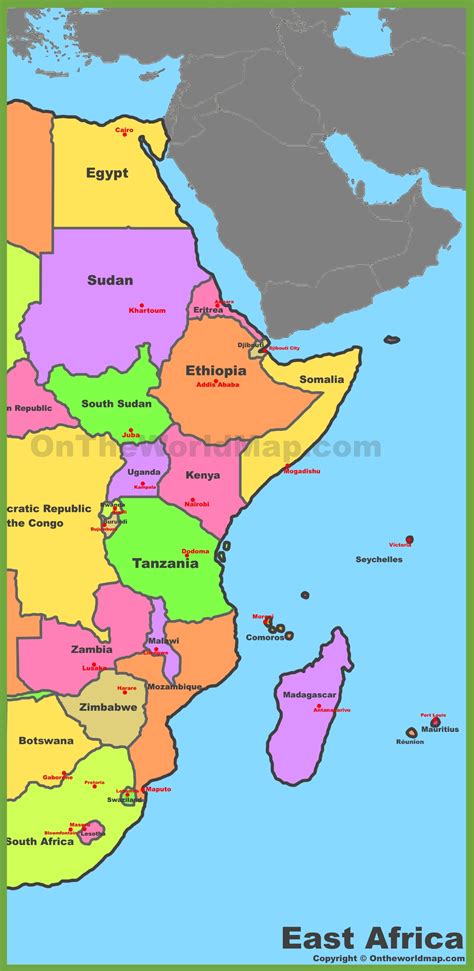
Geographical position of East Africa
East Africa, which features the largest lakes and highest mountains on the African continent, includes Burundi, Djibouti, Eritrea, Ethiopia, Sudan, Kenya, the Comoros Islands, Rwanda, Seychelles, Somalia, Tanzania and Uganda. There are two types of climates in East Africa, namely the dry season and the rainy season.
Key Ingredients and Dishes
The most well-known ingredients of East African cuisine are millet, grain, rice, white and yellow potatoes, black-eyed peas, peas, palm and okra. In addition to herbs and spices, coconut is also frequently used in cooking. The vast and varied continent of Africa boasts a cornucopia of staple grains, including rice, millet, sorghum, and teff, which form the backbone of the continent’s gastronomy. Legumes, such as lentils, chickpeas, and beans, are integral to many dishes, providing essential protein and fiber. Vegetables and fruits, bursting with color and flavor, are often cooked or served fresh alongside stews and grilled meats.
Meat consumption is low in East African food culture. Cow, sheep and goat meat is considered to be an indicator of wealth. In addition, the meat of animals such as crocodiles, antelopes and wild boars is also eaten in East Africa.
Read also: Flavor of African Pompano
Here are some well-known dishes from the East African region:
- Ethiopia: Injera is a type of fermented bread similar to a pancake. It is prevalent particularly in Ethiopia and Somalia. Berbere, obtained by blending fifteen spices, is an important element in Ethiopian dishes.
- Kenya: There is no singular dish that represents all of Kenya. Different communities have their own native foods. Staples are maize and other cereals depending on the region including millet and sorghum eaten with various meats and vegetables.
- Tanzania: Along the coastal regions (Dar es Salaam, Tanga, Bagamoyo, Zanzibar and Pemba), spicy foods are common, and there is also much use of coconut milk.
- Uganda: Ugandan cuisine consists of traditional and modern cooking styles, practices, foods and dishes in Uganda, with English, Arab, Asian and especially Indian influences. Bananas and plantains are a staple in Uganda, and a small variety known as matoke is commonly cooked when still unripe and green, being roasted, steamed, boiled or mashed.
- Somalia: With influences from Turkey, Italy, India and other East African countries, Somalia’s most popular dishes come from all over the world. Pasta (baasto) or rice (bariis) often forms the carbohydrate of a meal, which is then topped with a meaty sauce spiced with cumin, cardamom and cloves.
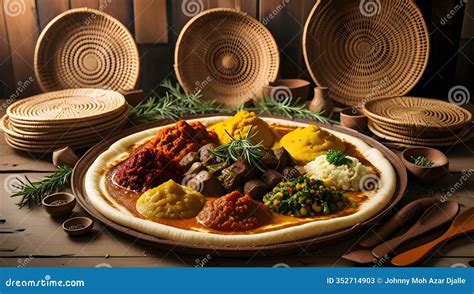
Injera with various stews - a staple in Ethiopian and Eritrean cuisine
Regional Variations
East Africa is the eastern region of the African continent, variably defined by geography or geopolitics. The influence of various religions in Ethiopia, which include Islam and Ethiopian Orthodox Christianity, provides guidelines for meat consumption in specified periods, while a vegan diet applies during the seven fasting periods of the Coptic Orthodox Church.
Congolese cuisine (Democratic Republic of the Congo) is one of the most diverse cuisines of the continent since it sits between east and southern Africa and received culinary influence from the Portuguese and Middle Eastern and Indian influences via the Swahili. This region has received culinary influence of the Swahilis (culture that evolved via the combination of Bantu, Yemeni, Omani and Indian cultures) during the East African Slave Trade.
Ethiopia
The most prominent country in East African cuisine is Ethiopia - which some consider a vegetarian’s paradise.
Vegan Ethiopia Episode 1: Injera Bread
Read also: A Taste of Egypt
Tanzania
Further south, Tanzania has a completely different cuisine to Ethiopia and Eritrea. Heavily influenced by Indian cooking thanks to the migration of Indians into Tanzania and making the most of the abundance of fish and seafood along its eastern coast, coconut milk is also used to create sauces for curries, which are often heavily spiced and full of fiery heat. Further inland, barbecued meat (known as nyama choma) is popular, and the national dish of ugali is a dough made from maize, cassava, sorghum or millet, served with a dry spiced curry of meat, fish or vegetables.
Kenya
It’s difficult to sum up the cuisine of Kenya as dishes tend to vary considerably depending on where you are in the country and who’s cooking them. You’ll find fish on the coast, grains in the remote areas and internationally influenced dishes in the cities (such as Indian flatbreads and curries). Starchy, grain-based foods are the most commonly eaten, and ugali is an important staple like in neighbouring Tanzania. Barbecued meat (nyama choma) is popular but generally not eaten daily - instead, dishes of beans and corn or sukuma wiki (sautéed leafy greens, often kale) are relied upon. Common spices used to flavour dishes are cumin, turmeric, coconut, coriander and tamarind, especially in Swahili cooking.
Coffee Culture
Thanks to the unique structure of the African climate and flora, African coffees are considered extraordinary. Coffee from Uganda, Kenya, Ethiopia, Rwanda and Tanzania typically has a light bodied texture and acidic, fruity or earthy flavors.
Kenya, where many of these coffees are grown, is home to one of the world’s most advanced coffee industries; an average of 100 million tons of coffee is produced annually while approximately 150,000 farmers and 6 million Kenyans indirectly earn income from the coffee industry.

Kenyan Coffee Beans
Read also: A Culinary Journey: Anointed Cuisine Review
