The journey of credit systems is as fascinating as it is ancient, weaving through the tapestry of human history. Long before modern banking, trade was king, and barter was its crown. In Nigeria’s early societies, bartering goods was common, but the element of trust laid the groundwork for what would become credit systems.
Consumer credit is an initiative to ease the cost burden of goods and services on consumers so purchases can be made without immediate payment. In most cases, these payments are spread across a time frame that suits both the seller and buyer, depending on financial strength and income level. Across various economies, including the most advanced, the government and other stakeholders collaborate to establish avenues for individuals and households to access credit through a consumer credit scheme. The intricacies may differ across different climes, given the level of economic development, social infrastructure and technological advancement. However, the end goal is usually the same-to improve the average citizen’s quality of life.
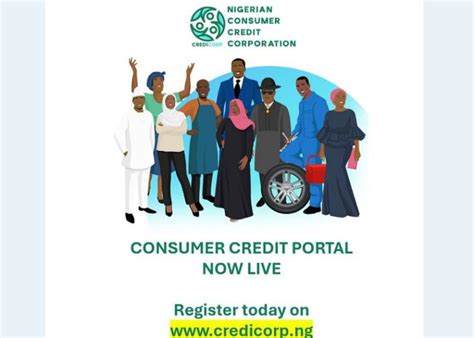
According to the Nigerian Credit Consumer Credit Corporation, 73 million Nigerians earn income through formal and informal means, still 83% have no access to credit and cannot meet emergency and basic needs. This phenomenon underscores the credit gap in Nigeria.
Historical Context
The colonial era marked a significant shift. With the introduction of formal banking institutions, credit started to take on a more structured form. This period saw the establishment of Nigeria’s first banks, which began offering credit in more standardized terms. Post-independence Nigeria experienced a surge in economic activities, prompting the growth of more inclusive banking services. This period witnessed the birth of various microfinance institutions, catering to the needs of smaller businesses and everyday Nigerians.
Fast forward to today, and the digital revolution has transformed the credit landscape. Fintech startups in Nigeria are pioneering innovative credit solutions, making credit more accessible than ever.
Read also: The Rise of Nigerian Basketball
The Vision of CREDICORP
The testimonials have started pouring in from beneficiaries as the Federal Government’s consumer credit program kicks off. It’s a moment we owe to the vision of President Bola Ahmed Tinubu. His commitment to uplifting ordinary Nigerians has birthed this initiative, seeking to transform consumer credit from a privileged luxury into a fundamental right for all. Through this pilot program of the Nigerian Consumer Credit Corporation (CREDICORP), five trusted financial institutions - FCMB’s Credit Direct (serving civil servants), Wema Bank, Accion Microfinance Bank, Letshego MFB, and Abbey Mortgage Bank - are now offering credit solutions to ease the financial strain on Nigerians facing rising energy and fuel costs, or to acquire life-enhancing assets that were far beyond their reach.
For the first time, many will gain access to affordable credit, with interest rates slashed by up to 50%. This isn’t just about loans; it’s about empowerment. These offerings enable Nigerians to meet household needs, access non-petrol alternatives for energy, and invest in their futures.
For those ready to apply, please visit credicorp.ng/apply. These institutions are early adopters, with more institutions expected to join from the over 200 that have filled detailed Expressions of Interest.
Empowering Nigerians at a Critical Time
For too long, most Nigerians have lacked access to consumer credit. CREDICORP is here to change that. Consumer credit is beyond a concept. It is about real people: a young graduate starting her first job with her own car; a father’s credit card during a child’s medical emergency; a baker no longer needing generous family and friends to equip their small business; a household struggling with the burden of expensive petrol generators - now able to afford solar panels that cut their electricity bills by half. These should not be distant dreams. We see consumer credit not too far from human rights.
We are therefore committed to radically expanding opportunities for Nigerians to access affordable credit. Our pilot program seeks to provide credit for urgent household needs, with institutions like Accion and Letshego offering loans specifically for solar panels, compressed natural gas (CNG), and electric vehicles - transformative solutions reducing reliance on expensive petrol. More institutions are soon to join this train.
Read also: Requirements for Nigeria Police Clearance
The Foundation of CREDICORP’s Work: Building a Strong, Sustainable Future
CREDICORP’s work is anchored on three operational pillars which will shape the future of consumer credit in Nigeria:
- Infrastructure: Every Nigerian deserves a credit profile that means something and opens doors to financial opportunities. We are working across partners, including the CBN and Credit Bureaus, to ensure every economically active citizen has a comprehensive credit score - an asset that grows with time and empowers them to access credit easily and responsibly. This credit infrastructure will help build financial equity for millions of Nigerians, turning good credit history into a personal asset.
- Capital: CREDICORP is more than just a facilitator; we are providing the financial backbone for institutions committed to democratizing consumer credit. Through cheaper wholesale funding and credit guarantees, we provide financial institutions the capacity to expand their lending reach. More deliberately, we provide a linkage that catalyzes local industry and creates jobs, as we enable much cheaper lending rates and credit guarantees for locally-manufactured products.
- Cultural Re-Orientation: Consumer credit is not just about borrowing; it is about quality of life. We must work tirelessly to shift the mindset of Nigerians toward responsible credit use as a pathway to a better life, while also re-orienting financial institutions on more effective consumer credit underwriting as a driver of growth.
In fulfilment of his campaign promises, President Tinubu established a consumer credit guarantee scheme in April 2024 after launching the scheme's first phase, which is targeted at enhancing the economic well-being of Nigerians. Presidential spokesperson Ajuri Ngelale disclosed that the scheme facilitates crucial purchases by Nigerians, such as homes, vehicles, education, and healthcare, essential for ongoing stability to pursue their aspirations. The Credit Corporation, solely owned by the federal government, will facilitate the consumer credit initiative to grant credit access to 50% of the Nigerian workforce by 2030. This initiative underscores the president’s keen interest in consumer credit as a tool to stimulate economic growth and increase industrial output in Nigeria.
Notably, CrediCorp has been tasked with establishing a reliable consumer credit infrastructure to aid the ambition of improving the average Nigerian’s access to credit through proper data utilisation. Specifically, the credit corporation is mandated to strengthen Nigeria’s credit reporting systems by ensuring that every commercially active Nigerian has a reliable credit score that serves as personal equity in accessing credit. Furthermore, this would be done in conjunction with various “financial institutions’’, such as “deposit money banks and microfinance banks”, amongst others, to broaden credit availability and infrastructure in the country.
According to Uzoma Nwagba, the Managing Director and Chief Executive Officer (CEO) of the consumer credit corporation, CrediCorp plans to support financial institutions with more wholesale capital and improve the volume of lending towards consumer credit up to the tune of ₦180 trillion from the current ₦35 trillion. According to the corporation, this goal could be achieved through support from the ₦100 billion fund allocated for the consumer credit scheme, which is expected to grow further.
Moreover, CrediCorp aims to provide credit guarantees to facilitate the consumer credit scheme by sharing lending risk with financial institutions.
Read also: Nigeria's Thriving Music
CrediCorp will also collaborate with the National Identity Management Commission (NIMC) to link Nigerians with credit scoring systems through financial institutions.
Notably, the consumer credit scheme will be open to every economically active Nigerian with a trackable source of income. As of May 15, about 1.6 million Nigerians have applied as potential beneficiaries of the credit scheme. However, CrediCorp plans to implement the consumer credit scheme in phases, starting with federal and state civil servants. According to the corporation, this aims to build trust amongst all stakeholders through a concise assessment by the financial institution each beneficiary currently transacts with. After that, white-collar or formal and informal workers with trackable and steady cash flows can access consumer credit through this scheme before it eventually opens to other potential beneficiaries. Income, cash flow stability, and credit history will determine the maximum amount an individual can borrow.
Crucial Timing
Given the current dynamics of the Nigerian economy-significantly high inflation and slower-than-expected growth-consumer credit is coming on at a crucial time. Nigerians have recently grappled with a high cost of living, with headline inflation hovering around 33.4% as of July 2024. The current economic realities reiterate the cost burden on the average Nigerian emanating from stringent macroeconomic policy implementations by the current administration.
As a result of the skyrocketing price pressures and other economic headwinds, the purchasing power of Nigerians has significantly weakened. According to a recent report by NielsenIQ, the volume of transactions in the Nigerian Fast Moving Consumer Goods (FMCG) industry has declined by 17.4% in 2024, compared to the 4% contraction recorded in 2023 amidst the high inflation confronting the populace. Many households and individuals are unable to meet their “basic needs”, which may not be unconnected with the recent “Hunger Protest” held across various parts of the country.
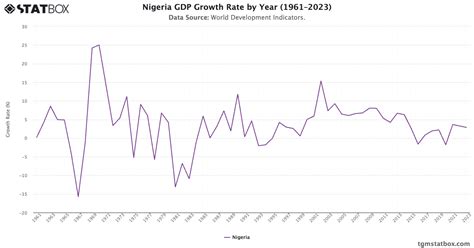
Meanwhile, Nigeria’s economic growth rate has dwindled and contracted below the historical average in recent years due to various challenges across the economy's oil and non-oil sectors. For the non-oil sector, which constitutes a larger part of the overall GDP, the growth rate has also slowed in recent years owing to issues surrounding low productivity in the real sector of the economy.
With the president’s target of achieving a “$1 trillion worth economy” by 2026, it is believed that the consumer credit scheme is coming at the appropriate time. The scheme is expected to boost domestic demand for goods and services as the people leverage the established credit facility. This will eliminate most Nigerians' “cash and carry” mindset and allow them to make purchases without immediate payment. This will also enhance the growth of local industries, propelling economic expansion and job creation. Although the $1 trillion worth GDP could appear overly ambitious in the short term, the consumer credit scheme will increase the chance of achieving it or, at least, growing the economy further from the current level. Additionally, this will promote financial inclusion and improve the business activities of financial institutions facilitating the scheme.
Nigeria: GDP Annual Growth Rate
Potential Gains for Nigerians
- Access to quality life: For most Nigerians, access to goods and services, including the most basic, is often based on outright payment. This outlook stems from the lack of a proper credit system in place for an alternative mode of purchase. However, with the scheme, consumers can meet basic needs without having to pay immediately, easing the financial burden on consumers, who can spread their payments over time. With the credit scheme adequately in place, the quality of life of Nigeria will experience substantial improvement, knowing that those who are not particularly wealthy can access whatever they desire based on their income and pay overtime while enjoying the utility derived.
- Improved business environment: Implementing an effective credit scheme will improve the overall economy through higher demand from consumers who can meet their needs without paying immediately. This practice will stimulate business activities for small and medium-sized businesses that often struggle with sales, which could be due to weak consumer demand amidst high inflation. Therefore, a functioning credit system will foster consumer confidence and, in turn, lead to higher sales for small business owners in Nigeria.
- Alleviation of poverty and hardship: The consumer credit scheme is coming at a time of high consumer prices and weak purchasing power, reflecting the current economic realities. However, the credit scheme will allow consumers to access their needs and improve their standard of living despite the elevated prices, as they can make their payments in instalments without the burden of paying the high cost immediately.
- Curtailing corruption: As consumers can meet their needs, such as housing, food, education, and healthcare, without making upfront payments, the thirst to get money through uncouth means will gradually decline. As social welfare improves through the positive impacts of the credit scheme, corruption, particularly amongst average Nigerians, should also decrease as needs can be easily met by accessing credit.
Challenges and Mitigation
It is important to note that the success of the consumer credit scheme will depend on the infrastructure provided by the key stakeholders involved in its implementation. A significant challenge that could confront this initiative is the risk of default. In recent years, most Nigerian banks, particularly the “tier-one banks”, have kept their NPL ratio below the 5% regulatory benchmark. This trend suggests that they can adequately manage credit with specific measures in place. Moreover, CrediCorp has put measures in place to mitigate the risk of default by tracking cash flows and consumers' income through financial institutions. Hence, the first phase starts with civil servants who have steady and trackable cash flows. Essentially, the average Nigerian must be sensitised to the advantage of having a good credit score and history while addressing the common perception of credit as a burden.
Reaching financially underserved and rural populations who may not have access to traditional banking services is a significant hurdle. Ensuring these populations are included in the credit system requires better solutions and extensive outreach efforts. But the biggest challenge may be the same that has crippled the industry; significant Non-Performing Loans (NPL) due to the average Nigerian’s lack of willingness to pay back their loans. The smaller ticket loans, which would be the bread and butter of CrediCorp, are especially vulnerable as the unit economics of ethical recovery is terrible.
If CrediCorp collaborated with Lendsqr, it could create a powerful synergy in the Nigerian consumer credit market. By integrating Lendsqr’s technology, CrediCorp could more effectively achieve its mission of expanding consumer credit access to 50% of working Nigerians by 2030.
Lenders have yet to specify the explicit rate for credit creation for consumers. However, as determined by the financial institutions, this is expected to be competitive and affordable. As the credit corporation continues collaborating with the credit bureau, the central bank, financial institutions, and other stakeholders to strengthen the credit infrastructure, the scheme is expected to progress steadily across phases until it reaches the general public.
Global Examples
Looking at global examples, CrediCorp’s approach is similar to other initiatives aimed at boosting consumer credit access. While in India, the Micro Units Development and Refinance Agency (MUDRA) supports micro-enterprises with loans and guarantees. These programs have successfully increased access to credit by lessening lender’s risk and providing a stable framework for credit expansion.
Conclusion
This rollout is only the beginning. As we accelerate, our focus will remain on ensuring that consumer credit goes beyond immediate relief to fueling long-term national development. Beyond loans for urgent needs, we aim to develop product-first credit solutions that link Nigerians directly to life-enhancing goods - whether it’s home improvement, vehicles, or household appliances - working with a formidable ecosystem of financial institutions and partners (local and global), winning together.
The future we require for Nigeria is one of opportunity, growth, and empowerment. We are translating that vision into real, impactful steps - our first being toward ensuring that every Nigerian can access affordable credit to improve their lives and fuel our nation’s economic growth.
CREDICORP is not just a credit program, a scheme, or even a Corporation. It is a movement. A long and rewarding journey that unlocks the potential of millions. Where families, small businesses, and industries across Nigeria will now have the financial tools and customer base they need to not just survive, but to thrive.
Their goal is simple yet ambitious: to help half of Nigeria’s working population access consumer credit by 2030.
While the details of CrediCorp’s operations are still somewhat unclear, eligible Nigerians are encouraged to express interest using the provided form. Despite the uncertainties surrounding this initiative, we eagerly anticipate seeing the full range of benefits it will bring to the market.
Our best days are ahead of us. In Nigeria, easy access to credit is vital to achieving personal financial goals.
How You Can Benefit From The FG's Consumer Credit Scheme
Popular articles:
tags: #Nigeria
