Uganda is a unique place full of vibrant cultures, fascinating people, and delicious foods. Uganda’s flavorful dishes are more than enough to earn Uganda a space on your bucket list. Uganda has several mouthwatering recipes indigenous to East Africa, so don’t be afraid to try the local cuisine on your next trip there!
A spread of Ugandan dishes.
It is common in Uganda to sit on the floor and eat with your hands. Because of this, many Uganda dishes do not require utensils. Visitors are always expected to join the family for a meal. The following meals have been passed down through generations of Ugandan people, waiting to be discovered.
Matoke: The Heart of Ugandan Cuisine
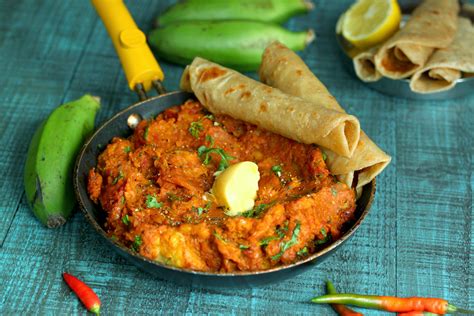
As the national dish of Uganda, Matoke earns the first spot in this Uganda Food Guide. Matoke refers to plantain bananas indigenous to southwest Uganda. The meal prepared from unripe, green matoke is also known as “matoke."
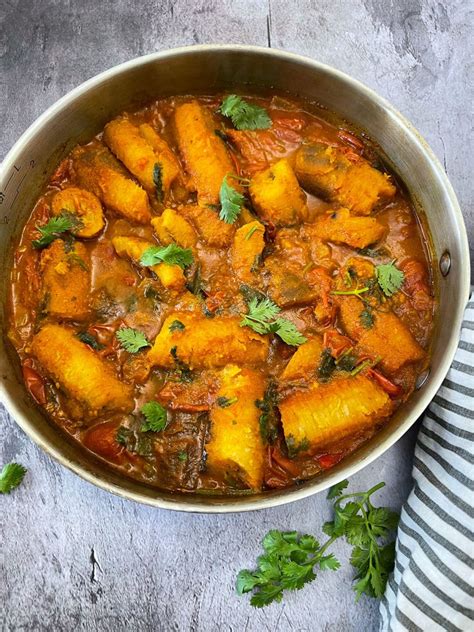
Matoke, the national dish of Uganda.
Read also: Exploring Chad's Fauna
The East African Highland bananas are short and thick and they are enjoyed in their green form for cooking. Ripe matoke is sweet and soft like most bananas, similar to plantain. Green bananas, also called cooking bananas, are a staple food around most of Africa, the Caribbean, South America and South East Asia. They are rich in potassium and are a good source of fibre. Matoke is so popular, it is known as the national dish of Uganda and is eaten at most meal times. It is readily available, cheap and filling and are typically served mashed or boiled. They are usually eaten with meats, fish or peanut sauce; and some vegetables.
The most common way to make Matoke is by cooking and mashing it. Matoke is very similar to a banana, but it is often steamed in plantain leaves and served with meat. Since plantains are such a popular crop in Uganda, Matoke is very common and easy to find. This dish is perfect for those wanting to fully immerse themselves in Ugandan culture. Matoke can be served in a variety of ways, making it the perfect dish for even the pickiest of eaters.
Health Benefits of Matoke
Ugandan Matoke, also known as Matooke or cooking bananas, is a staple food in East Africa, which can offer various health benefits. Apart from being a flavorful dish, Matoke contains essential vitamins and minerals like potassium, vitamin C, and antioxidants. Matoke is a low-calorie food, making it a perfect choice for people who want to shed some weight without compromising on taste. Moreover, it's high in fiber, which aids in weight loss by supporting digestion and promoting a feeling of fullness.
Another benefit of incorporating Matoke into your diet is the boost it provides to the immune system. The potassium content in Matoke plays a crucial role in maintaining the proper functioning of the body's cells, tissues, and organs, leading to improved overall health. Matoke is a great source of antioxidants, which help combat oxidative stress and protect the body from the harmful effects of free radicals. These antioxidants contribute to the prevention of certain chronic diseases and support a healthy aging process.
How to Prepare Matoke
Traditionally, matoke is prepared in Uganda by steaming green bananas in banana leaves. The bananas are then mashed and served as a side dish or main course.
Read also: History of Cameroon Soccer
Ingredients:
- 8-10 peeled green bananas (Matooke) or plantains
- 1 onion, chopped
- 1 cup freshly cooked or canned beans
- Green bell pepper, chopped
- 3 tomatoes, chopped (or canned whole tomatoes, drained)
- 1 tsp black pepper
- Salt
- 1 tsp cumin
- 1 tsp curry powder
- Cooking oil
- Lemon juice (optional)
- 1 lb ground beef or 1 lb beef stew meat, cut in bite-sized pieces (optional)
Directions:
- Peel, chop, and clean your green bananas and set them and lightly cover in lemon juice to help prevent oxidation if you wish.
- Sauté onions and green pepper in a cooking pot until they attain a brownish color. If using beef, add and fry until meat is nearly done. Add salt and tomatoes and let cook until it is paste-like. Keep stirring to prevent it burning.
- Add your green bananas and enough water to submerge the bananas and continue stirring for another one minute. Let it simmer until the bananas are almost tender.
- Add your cumin, curry powder, and stir to make sure it’s adequately incorporated. Simmer for two minutes, then taste if the spices are consistent.
- Drain your beans in a basin and rinse with clean water.
This African Stew is a versatile dish that can be served for both lunch and dinner. When preparing this flavorful meal, we enjoy incorporating a variety of sauces such as tomato sauce, peanut butter sauce, or coconut cream or coconut milk. We garnish the matoke with some fresh coriander, lemon juice and red chili. You can add your personal touch to this delicious recipe. To complement the rich flavors of this meal, serve Matoke with a refreshing Kachumbari salad. This East African side dish consists of tomatoes, onions, chilies, and fresh cilantro, lightly mixed together with a dash of lemon or lime juice, salt, and pepper. At home, we especially love serving this Ugandan dish with bread, specifically East African Chapati.
Other Popular Ugandan Dishes
While Matoke holds the crown as the national dish, Uganda's culinary scene is rich with other flavorful offerings.
Chapati
Chapati is a popular side dish in Uganda. It is a type of unleavened flatbread that is very similar to a tortilla. This side is very versatile and can be served with several different entrees, such as meat, beans, or vegetables. Ugandan chapati differs from Indian chapati because it is made with all-purpose flour instead of whole-wheat flour.
Read also: Ghana Soccer Jersey
Rolex
Chapati is most often paired with an East African dish called Rolex. Rolex is a popular breakfast item served in Uganda. It is very similar to a breakfast wrap or burrito. It is made by combining an egg omelette with vegetables wrapped in a chapati. The term “rolex” comes from how the dish is prepared, with the omelette and chapati rolled up together. While in Uganda, Rolex can be found on many street corners, making it a perfect meal to eat on the go.

Ugandan Rolex.
Kikomando
Kikomando is a popular Ugandan dish that features chapati and fried beans. Other alternatives of Kikomando include avocado, meat, or vegetable stew. This meal is served in both street stalls and restaurants, making it very easy to find.
Ugali
Ugali is a thick porridge made from white maize, which is the most common staple starch featured in the local cuisine. It is cooked to a stiff consistency and is usually served with meat or vegetable stews. Ugali is eaten by pulling balls of mush off and using them to scoop up the accompanying sides, working as an edible utensil.
Katogo
Katogo is one of Uganda’s oldest and most traditional breakfast dishes. It contains matoke and a variety of meats. Katogo is extremely popular in Uganda, particularly the urban areas, and there are many different variations of the dish.
Luwombo
Luwombo is a traditional method of cooking from Uganda. It involves steaming meats in banana or plantain leaves. Luwombo has been a common method across tropical Africa for centuries and is used wherever bananas or plantains are grown.
Mandazi

Mandazi.
Mandazi is the perfect treat for those with a sweet tooth. Known as East African doughnuts, Mandazi is prepared by frying dough in oil. The doughnuts are often coated in cinnamon and sugar. In English, Mandazi means “deep-fried, pouch-like bread.” These sweet delicacies are similar to a beignet or doughnut and should definitely not be skipped on your next trip to Uganda.
Ugandan Egg Roll
This snack is made by hiding a hard-boiled egg inside mashed potatoes. The egg surrounded by mashed potatoes is then fried in cooking oil. This dish can be eaten at any time during the day and is very popular in Eastern Africa.
Sim Sim Cookies
Sim Sim cookies are sesame seed biscuits and a delicacy in Uganda. This treat is very similar to peanut brittle but is made with sesame seeds instead.
Uganda’s flavorful dishes are more than enough to earn Uganda a space on your bucket list. Ready to hop on the next plane to Uganda? Get ready to try delicious new foods and visit stunning sites in Uganda.