Moroccan clothing is steeped in rich traditions, with many garments worn by locals deeply intertwined with the country's culture and identity. This article delves into the history, characteristics, and cultural significance of various Moroccan clothing items, offering a comprehensive look at this vibrant aspect of Moroccan heritage.
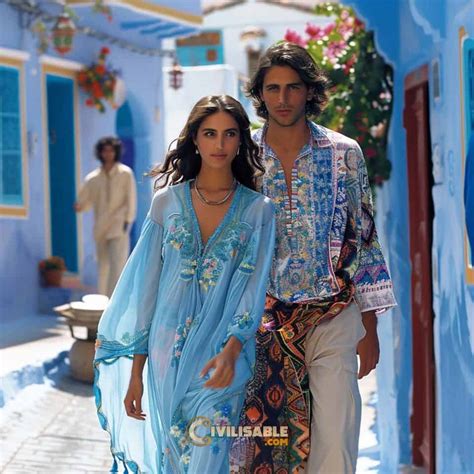
Traditional Moroccan Garments
Djellaba
The djellaba is a commonly worn item of clothing by Moroccans, found not only in Morocco but also in other North African countries. It is worn by both men and women and features long sleeves and a pointed hood. The hood provides shade from the sun and warmth in colder weather. Woolen djellabas are traditional, but cotton djellabas are becoming increasingly popular, with woolen garments favored in winter and lightweight cotton djellabas preferred in hot weather.
Gandora
The gandora is similar to a djellaba but has shorter sleeves and lacks a hood. It is worn by people of both sexes and comes in various colors.
Kaftan
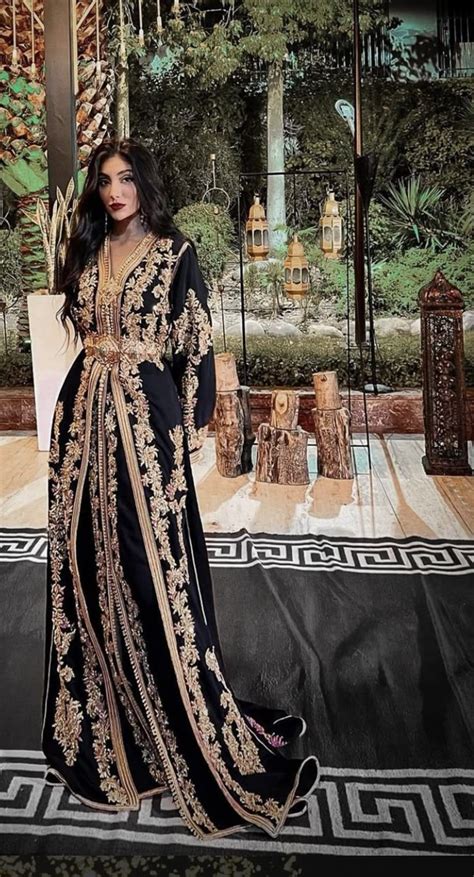
The kaftan is another long and flowing robe-like dress worn extensively in Morocco. Unlike the djellaba, the kaftan is exclusively worn by women. Kaftans are typically ornate and decorative, featuring beautiful braiding, beads, and sequins sewn onto luxurious fabrics. They are not generally worn outside the home for everyday tasks but are rather donned for special occasions.
In Morocco, kaftans are worn as dresses, unlike in some nations where they serve as outer garments. Moroccan kaftans can have long or short sleeves, which may be fitted or loose.
Designer Takchita Caftan Traditional Ethnic Wear
Read also: The Allure of Blue and White Tile
Tackchita
The tackchita is perhaps the most formal and beautiful ladies’ garment. It is reserved for special occasions such as weddings. Similar to fancy kaftans, the tackchita often has stunning designs and details. It is usually fitted around the top and cinched at the waist, flowing to the ground in a majestic manner.
Abaya
The abaya is a standard item in almost every Moroccan woman’s wardrobe. It is worn as an over layer on top of other clothes to conceal the lady’s figure when she’s out in public.
Tahruyt
A tahruyt is a large embroidered scarf-cum-headdress often worn by Berber ladies, especially those in remote mountain areas. This large piece of cloth covers the head and drapes over the shoulders and upper body, with one corner crossed and tucked in at the shoulder.
Tarbouche (Fez)
The tarbouche hat, also known as the fez, is a rigid hat with a tassel, resembling the lower part of a cone.
Taqiyah
The taqiyah is similar to the Jewish kippah, a short and rounded skullcap. It serves as a symbol of religious devotion for Muslims.
Read also: Morocco's Blue Pearl
Hijab
The hijab is a head covering often worn by Muslim ladies. This fitted headscarf comes in a variety of colors, with many women choosing a hijab that matches their abaya or other clothing.
While the niqab and burka are sometimes worn by females in Morocco, particularly those from the older generations, their use is not as common nowadays.
Balgha (Babouche)
Also known as the babouche, the balgha is a traditional type of shoe in Morocco. This soft, slipper-like leather footwear can be worn both inside and outdoors. Balgha are made in various colors and range from plain to ornately decorated. Traditionally made in Fez, these slippers are found in souks across the nation.
Henna Skin Designs
Henna skin designs hold great significance in Morocco. While visually appealing, the use of henna is often seen as having more than just aesthetic value. It also played a traditional role in circumcision ceremonies.
Historical Influences on Moroccan Clothing
Moroccan clothing has been shaped by various traditions over time. The Berber, the original inhabitants of Morocco, have greatly influenced clothing styles, with their vibrant colors and intricate patterns inspiring modern designs. Arab culture, which arrived in Morocco centuries ago, brought its fashion sense, evident in flowing robes and decorative embroidery. Andalusian traditions from southern Spain also left their mark, blending to create unique and beautiful garments.
Read also: Men's Moroccan Fashion
The Caftan: A Symbol of Elegance and Tradition
The Caftan stands as a symbol of elegance, tradition, and cultural heritage. Worn predominantly by women, this exquisite garment holds a special place in Moroccan culture, reflecting a blend of historical influences and artistic craftsmanship. From its origins as ceremonial attire to its modern-day status as a fashion statement, the caftan embodies the essence of Moroccan identity and style.
The caftan has a long and storied history in Morocco, dating back centuries to the era of the Islamic Caliphate. It is said that it likely originated in the Middle East and was introduced to Morocco through trade and cultural exchange. Over time, the caftan evolved from being purely ceremonial attire to becoming a more practical and versatile garment worn in everyday life.
During the Saadian dynasty (16th-17th centuries), the caftan underwent a transformation, becoming more adorned and fancy. It was during this period that the caftan became synonymous with Moroccan fashion and style. The Saadian rulers, known for their love of luxury and refinement, played a key role in popularizing the caftan among the general people.
The traditional Moroccan caftan is characterized by its long, flowing silhouette, which drapes elegantly over the wearer's body. It typically features long sleeves and a high neckline, with the length of the garment varying depending on the occasion and the wearer's preference.
While caftans are worn in various regions around the world, Moroccan caftans are distinct in their design and craftsmanship. Moroccan caftans are known for their intricate embroidery, elaborate beadwork, and luxurious fabrics, which set them apart from caftans found in other regions.
- Northern Morocco: Caftans from northern regions like Tangier and Tetouan often feature bright colors and intricate embroidery.
- Central Morocco: In cities like Fez and Meknes, Caftans are known for their traditional craftsmanship and sophisticated designs.
- Southern Morocco: Southern regions, including Marrakech and the surrounding areas, produce caftans that are known for their simplicity and elegance.
- Coastal Areas: Coastal regions like Casablanca and Rabat offer a blend of traditional and contemporary styles.
In Moroccan culture, caftans are worn for a variety of occasions, each with its own style and design. For festivals and other special events, caftans may feature bold colors and vibrant patterns, making them a striking choice for festive gatherings. In Moroccan culture, the caftan is typically worn as a dress, with the fabric varying depending on the occasion and personal preference.
Accessories play a key role in completing the caftan look. One of the most common accessories paired with the caftan is a belt or sash, which is usually created from the fabric of the caftan wrapped over a thick cardboard. The belt is used to cinch the waist and add definition to the silhouette. Jewelry is also an important accessory, with women often wearing necklaces, earrings, bracelets, and rings to complement their caftans.
Wearing a caftan for special occasions holds deep cultural significance in Moroccan society. It is a symbol of elegance, femininity, and cultural pride, reflecting the wearer's appreciation for traditional Moroccan craftsmanship and design. The caftan is often passed down from generation to generation, serving as a tangible link to the past and a celebration of Moroccan heritage.
In recent years, the Moroccan caftan has undergone a transformation, with designers creating contemporary styles that appeal to a modern audience. While traditional caftans are still popular for special occasions, contemporary caftans are designed for everyday wear, with a focus on comfort, versatility, and style.
Western fashion has had a significant influence on the design of modern caftans, with designers incorporating Western trends and styles into their designs. This fusion of East and West has resulted in caftans that are more modern, stylish, and versatile.
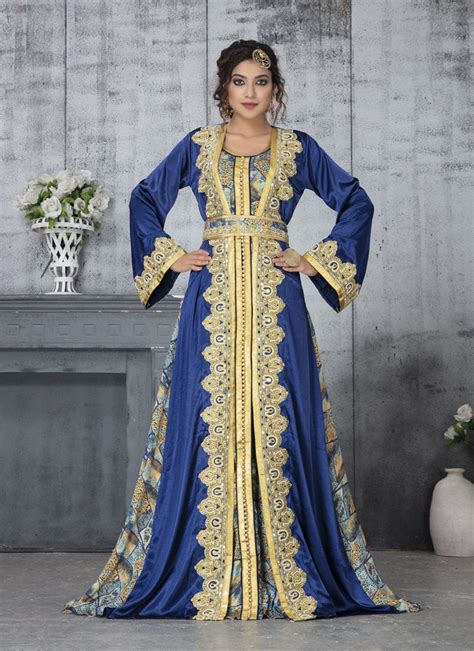
Regional Variations in Caftan Styles
Morocco is a diverse country with rich cultural traditions that vary from region to region, and this diversity is reflected in the styles of caftans worn across the country. Each region has its own unique take on the caftan, influenced by local customs, climate, and historical heritage.
Regional identity plays a crucial role in the design of Moroccan caftans. Each region’s unique cultural heritage and history influence the choice of fabrics, colors, patterns, and embellishments used in caftan design. These regional variations not only highlight the rich cultural tapestry of Morocco but also allow individuals to express their local identity and pride through their attire.
Moroccan Fashion on the World Stage
Moroccan-inspired elements have graced international runways, with fashion designers drawing inspiration from Moroccan traditional clothing. Celebrities and influencers have also embraced Moroccan fashion, incorporating elements of traditional clothing into their own style. Moroccan traditional clothing’s relaxed and bohemian aesthetic has influenced boho and boho-chic fashion trends.
Moroccan traditional clothing has also influenced interior design and home decor trends. Moroccan-inspired patterns, such as geometric motifs and intricate tile work, can be found in textiles, rugs, and decorative elements in homes around the world. The allure of Moroccan traditional clothing has attracted tourists and travelers seeking an authentic cultural experience.
Where to Buy Authentic Moroccan Clothing
The best places to buy authentic traditional Moroccan clothing are often the country’s souks. Stroll around the bustling market places and it’s only a matter of time before you come across stalls selling clothing. Some sellers specialize in one particular type of garment, while others have a general selection. The sprawling souks of Marrakech and Fez are especially known for their wide assortment of goods, including clothes.
For high-quality and beautiful kaftans and tackchitas, however, you may be best to visit a specialist store. There are plenty of fashion shops in Marrakech’s newer area of Gueliz, and you’ll find even more treasures in the old industrial quarter of Sidi Ghanem.
The Enduring Appeal of Moroccan Clothing
The Moroccan caftan is more than just a piece of clothing; it is a symbol of cultural heritage, artistry, and timeless elegance. From its origins as a ceremonial dress worn by judges and royalty to its evolution into a beloved garment for special occasions and everyday wear, the caftan embodies the rich history and diverse traditions of Morocco. In modern times, the caftan has adapted to contemporary fashion trends, incorporating new fabrics, patterns, and influences from Western fashion.
Whether worn for a wedding, entertaining, or simply to honor one's heritage, the Moroccan caftan continues to captivate and inspire, weaving together the past and present in a garment that tells the story of a vibrant and enduring culture.
Key Characteristics of Moroccan Clothing
Moroccan traditional clothing is known for its timeless beauty and rich cultural history. Moroccan fashion has a long and varied history, with influences from many different cultures and regions. Moroccan traditional clothing refers to the attire and garments historically worn by the people of Morocco. These traditional garments are deeply rooted in the country’s culture, heritage, and history. They often showcase a blend of Berber, Arab, Andalusian, and Saharan influences.
It’s important to note that styles and preferences may vary across different regions of Morocco.
- Caftan and Takchita: The caftan is a long, loose-fitting gown that is a quintessential element of Moroccan traditional clothing. It is typically made from luxurious fabrics like silk, brocade, or velvet and features intricate embroidery, beading, or embellishments.
- Jellaba and Djellaba: The jellaba or djellaba is a long, robe-like garment with a hood, typically worn by both men and women. It is made from wool or cotton and is designed to provide warmth and protection, especially in colder regions of Morocco.
- Hijab and Headscarves: In line with Islamic traditions, many Moroccan women wear hijabs or headscarves as a part of their traditional attire. The hijab is worn to cover the hair, neck, and shoulders, and it comes in various styles and colors.
- Bold Colors and Patterns: Moroccan traditional clothing is characterized by vibrant and bold colors, reflecting the country’s lively culture. Rich hues such as red, blue, green, and gold are commonly used.
- Artistic Embroidery and Embellishments: Moroccan traditional clothing is renowned for its exquisite embroidery and embellishments. Skilled artisans meticulously handcraft elaborate patterns using techniques like zari (metallic threadwork), sequins, beads, and intricate stitching.
- Flowing Silhouettes: Many Moroccan garments have loose and flowing silhouettes, allowing for ease of movement and comfort. This style is influenced by the desert climate and the need for breathable clothing.
In conclusion, Moroccan traditional clothing is a fascinating embodiment of the country’s rich cultural heritage and diverse influences. It showcases a unique blend of Islamic traditions, indigenous Berber elements, and historical connections with other civilizations.
Popular articles:
tags: #Moroccan
