Konza Technopolis, also known as Silicon Savannah, is a large technology hub planned by the government of Kenya. It is a key flagship project of Kenya’s Vision 2030 economic development portfolio, designed to be built 64 km (39 mi) south of Nairobi on the way to the port city of Mombasa.
Konza will be a world-class city, powered by a thriving information, communications and technology (ICT) sector, superior reliable infrastructure and business friendly governance systems. Konza Technopolis Special Economic Zone represents a strategic opportunity to invest in the growth of the ICT sector in Kenya as well as the country’s overall economy.
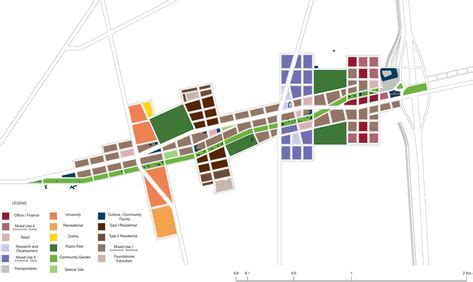
Konza Technopolis Master Plan
Vision 2030 and Konza City
In 2008 the Kenyan government unveiled its plan to construct a city from scratch 60 kilometers outside of the nation’s capital, Nairobi. Konza Technology City is a flagship project for Kenya Vision 2030, the country’s development program covering the period 2008 to 2030. The new city is expected to relieve Nairobi of some of its traffic and overcrowding issues, and also support the country’s growing technology sector.
Konza City is just one of many proposed city plans all over sub-Saharan Africa reflecting a growing phenomenon. Due to the challenges many African cities are facing-around sanitation, overcrowding, and unplanned growth-many African countries, with the help of international investors, are planning to build new cities adjacent to larger existing urban centers to address some of these issues. These cities are branded as “smart” and “futuristic,” and provide leisure facilities, business opportunities and social amenities for their residents.
Read also: Waste to Wonder: Flip Flop Art
The $14.5 billion project will transform an area of grassland into a city of 250,000 residents. Konza Technology City, or “Konza City”, is planned to be a world class technology hub located in Machakos County, 60km from Nairobi. Nicknamed “the Silicon Savannah”, Konza City is a 20 year, 2,000 hectare, 1.2 trillion Kenyan Shilling (USD 14.5 billion) new town project. The development will feature a technology park, science park, university campus, international business district as well as space for other commercial and residential properties.
The Ministry of Information and Communications recently released a Request for Expressions of Interest (REOI) for the Master Delivery Partner of the Konza Technology City. The Master Delivery Partner would be responsible for producing an implementation plan for the first five-year phase of the project.
KENYA'S DIGITAL CITY OF THE FUTURE | Inside the construction of Konza City | #kenya #trending
Kenya Advanced Institute of Science and Technology (KAIST)
Modelled after the Korean Advanced Institute of Science & Technology (KAIST), The Kenya Advanced Institute of Science and Technology will be an institution of strategic national importance as Science, Technology, and Innovation is considered critical catalyst for fast tracking modernization and transformation of Kenyan society into middle-income country and to advance (STEM) courses in institutions of higher learning in the quest to create a large number of specialists to industrialize the economy as well as drive economic growth through advanced science and technology.
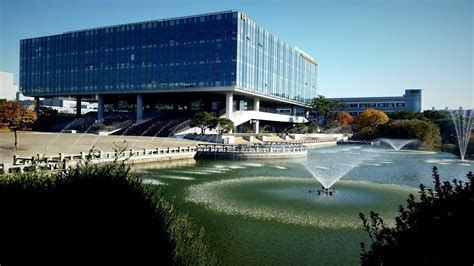
Korean Advanced Institute of Science & Technology (KAIST)
Challenges and Expectations
However, while these project have gained a lot of excitement and support, there are many concerns over these plans. The project seeks to understand the expectations of residents near the Konza City site in Malili, Machakos Town and Old Konza Town as well as assess the impact this city will have on these communities. In addition this project examines key differences between community expectations and government and professional expectations for the project.
Read also: Discover Sentrim Elementaita Lodge
Ten interviews were conducted over a month period in Malili, Machakos Town, Old Konza Town and Nairobi to gather information. The results show that lack of local involvement in the project has resulted in some key disconnects between community members and the government.
Comparison with Tatu City
Some 80 kilometers southeast of Nairobi lies another satellite city project that illustrates just such a cautionary tale. Announced to great fanfare by the Kenyan government in 2008, Konza Technopolis was supposed to herald a new era of investment as the heart of the country’s aspirational version of Silicon Valley, the Silicon Savannah. Seventeen years later, however, no one has moved in. In May, the new campus of a science-and-tech-focused university will open here, but for now, the only people around are construction workers and administrative staff.
As the years pass, it becomes more difficult to convince potential investors to choose the site, says Jonathan Kaloyo, a member of a group that buys plots of land in Konza for resale. He holds out hope that the infrastructure installed so far will not be for naught, but laments that many of the plans were “supposed to be completed a long time back.”
Many satellite city projects on the continent have hit similar stumbling blocks. For instance, what was supposed to become the “New York of Africa” outside Johannesburg failed to attract enough buyers to become reality, and a more moderate housing development is now under construction.
Tatu City is shaping up to be a rare exception. For instance, Tatu City runs its own water, internet, and power services, dodging the blackouts and shortages Nairobi residents and businesses face on a regular basis. The developers also negotiated for the city to be designated a special economic zone, offering businesses low tax rates and other financial benefits. So far, over 100 companies have opened their doors in Tatu City, employing about 25,000 people.
Read also: Best Nairobi Excursions
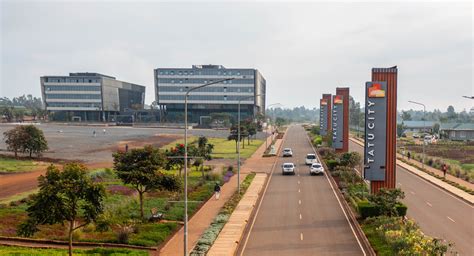
Tatu City
Popular articles:
tags: #Kenya
