A dream cruise vacation turned into a nightmare for eight passengers left stranded on the African island of São Tomé and Príncipe after their ship, the Norwegian Dawn, departed without them. The incident occurred when the group was late returning from a private tour.
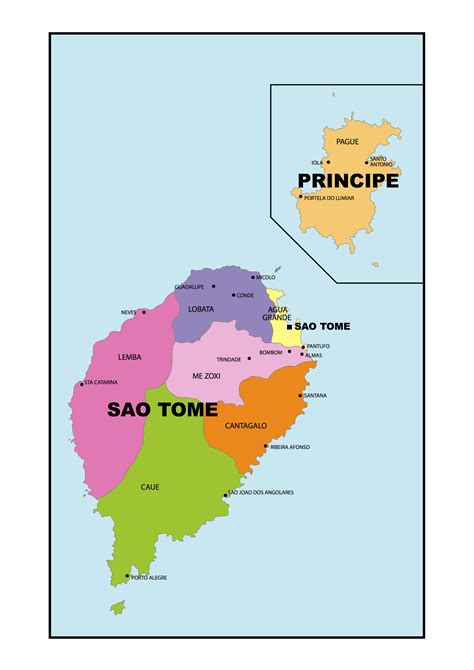
Map of São Tomé and Príncipe
The Missed Departure
The group of eight-six Americans and two Australians-had disembarked from the Norwegian Cruise Line ship on March 27 for a day trip across the island. The 2,290-passenger Dawn was embarking on a brand-new 21-day journey from Cape Town to Barcelona, with stops in Angola, Côte d’Ivoire, and São Tomé. The group included Jay Campbell and his wife, Jill, both retired corporate executives, who had traveled extensively and were familiar with cruise protocols.
However, car trouble on the way back caused a significant delay. Despite urging their driver to contact his boss, time ticked by as they waited in the tropical heat for a replacement car. An hour late for their all-aboard time, they were relieved to see their ship still anchored offshore. But no one could reach the ship on the radio, not the port agent or the São Tomé and Príncipe Coast Guard.
Pam, one of the Americans, managed to reach Norwegian’s emergency customer-service line in Miami. Eventually, the Coast Guard agreed to ferry the group over, but as they approached the ship, they received devastating news: the captain was refusing their request to board.
Read also: Couples facing adversity in Africa
The group didn’t speak Portuguese, the official language on São Tomé. But the sight of eight white people in shorts and backpacks panicking at the pier didn’t need much translation. A local called the port agent, and when he got there, Jay Campbell began pressing him to contact the captain.
Stranded on a Remote Island
Being left behind in São Tomé was not like missing a ship in a typical tourist destination. The island, along with nearby Príncipe, is extremely remote, the second-smallest African nation. The stranded group was now dependent on the port agent, Luis Beirão.
He had their passports, which had been ferried over to him by the ship, and helped them get a taxi to a resort near the one-runway airport. Though several of the parties had credit cards, only the Campbells’ Visa seemed to work. They paid for everyone; the bill came out to over $1,000.
Early the following morning, the eight met in the lobby again to wait for Beirão, who had promised to take them to the island’s sole travel agency. The group was stymied by this new development. Everyone had been planning to go their separate ways. Jill and Jay realized they couldn’t leave them to fend for themselves. The new objective would be to stick together, help Julia, and meet the ship as a group.
Unexpected Company and New Challenges
While grappling with their predicament, the group encountered another passenger left behind by the Dawn. An elderly white woman with short, dark hair, dressed in a gray T-shirt and pants with a black fanny pack and glasses, sitting on the couch, was in a daze. Her arms were covered in mottled purple blotches. Crusty blood was visible underneath a bandage on one elbow.
Read also: Nigerian Wedding Customs
She was identified as Julia Lenkoff, an 80-year-old retired gymnastics coach. Sarah, the ER doctor, unofficially examined Julia. It seemed to her like she’d had a stroke.
The group was stymied by this new development. Everyone had been planning to go their separate ways. But looking at Julia on the couch, and at the other three older passengers, Jill and Jay realized they couldn’t leave them to fend for themselves. The ER doctor, her husband, and Pam agreed: The new objective would be to stick together, help Julia, and meet the ship as a group.
Jill and Pam, the most type A in the group, examined the Dawn’s itinerary and saw the ship was spending the following days at sea. It would dock soon after that in Banjul, Gambia.
The Long Journey to Rejoin the Ship
To reach the ship's next port, the travel agent, Nicolas, informed them that they would need to take a 15-hour plane ride with stops in four countries: Nigeria, Togo, Ghana, and Sierra Leone. The next flight wasn’t until March 31, three days later, and would cost $3,500 for each pair.
For the next seven hours, the group sat in the office, watching the time slide by. Doug was so stricken without his stomach pills that he couldn’t stray more than a few feet from the travel agency’s bathroom. The air in the room was stale and warm. Julia sat in her chair, quiet and confused.
Read also: The international ordeal of a missed cruise
As the sun set again, Nicolas the travel agent relented and booked the flights without hearing from Norwegian. Once again, everything-the rooms, the flights-was charged to the Campbells’ credit card.
The Campbells, who are from Garden City, South Carolina, told NBC News their tour operator notified the cruise captain that they were going to be late rejoining the ship, but the vessel left anyway. They added that the island's coast guard tried to get them and several others to the cruise ship, but they said they weren't allowed to board.
Cruise Line's Response
Norwegian Cruise Line told NBC News in a statement that the Campbells’ situation was unfortunate, saying “guests are responsible for ensuring they return to the ship at the published time” and noting the group was on a privately-run tour.
The company said it was working with local authorities to understand “the requirements and visas needed for the guests to reboard the ship at the next available port of call.”
On Monday, the guests had made arrangements to rejoin the ship in Banjul, Gambia, but the ship was unable to safely dock there because of “adverse weather conditions” and “tidal restrictions,” Norwegian said. The guests were then contacted and provided with information to rejoin the ship at Dakar, Senegal, on Tuesday.
Despite the series of unfortunate events outside of our control, we will be reimbursing these eight guests for their travel costs from Banjur, Gambia to Dakar, Senegal," a cruise line spokesperson said in a statement. "We remain in communication with the guests and are providing additional information as it becomes available.”
3 Risks You’re Taking When You Cruise Right Now
Doubt About Reboarding
Jill Campbell said they traveled through seven countries in 48 hours to arrive in Senegal on Monday night. But the couple was reconsidering whether they even wanted to return to the cruise.
"After what we witnessed, we truly believe that although there’s a set of rules or policies that the ship may have followed, they followed those rules too rigidly. I believe that they really forgot that they are people working in the hospitality industry and really the safety and well-being of the customers should be their first priority," she added.
Following that ordeal, they said they aren’t sure if they’re going to board the ship again to rejoin the cruise. “After what we witnessed, we truly believe that although there’s a set of rules or policies that the ship may have followed, they followed those rules too rigidly,” Jill Campbell said.
The Reality of Cruise Ship Regulations
Cruise companies are labyrinthine bureaucracies that manage to avoid nearly any responsibility for their passengers, especially in times of chaos, accident, or bad luck. They’re mostly incorporated in places like Liberia and Panama, and the individual ships are foreign-registered, offering billions of dollars in tax savings.
This structure means that the web of regulations and agencies that protect a passenger on land has no jurisdiction on a cruise. There is no equivalent to the Federal Aviation Administration, Department of Transportation, or OSHA. Cruises are subject to international maritime law, but such laws for passenger safety are largely suggestions.
The United Nations’ International Maritime Organization requires vessels to operate with a standard “duty of care” for passengers and cargo, but what that entails is deliberately murky. The rules it does make the IMO doesn’t enforce or punish operators for breaking. The ocean itself functions as a kind of giant loophole in which no government authority is technically in charge.
The true law of a cruise ship is the passenger contract, which everyone signs when they buy their tickets and virtually no one reads. On Norwegian, the ticket is 15 single-spaced pages, in eight-point type, and its litany of disclaimers and policies allows the company to do essentially whatever it wants before, during, and after departure.
The Fine Print and Passenger Rights
The ticket includes a clause that prevents the company from being held liable for anything that happens to you owing to force majeure, like an unexpected storm or illness, piracy, war, revolution, extortion, terrorist action or threat, hijacking, or bombing. But a cruise can kick you off the ship for pretty much any other reason too.
Cruise companies, according to the passenger ticket, are also not responsible for any medical care you receive on or off a ship. The ticket also makes it extraordinarily difficult to sue a cruise because the companies are protected by century-old American “admiralty” laws.
Example of Cruise Contract
A Silver Lining
A silver lining of the catastrophe was that the Campbells were able to connect with another Norwegian Dawn passenger - Julia Lenkoff, 80 - who was also left on the island, but for a medical reason. Lenkoff was on a different day tour Wednesday. She had "medically disembarked" from the cruise to seek local treatment on that day, Norwegian said.
The Campbells met Lenkoff and were able to put her in contact with her family in California, who flew her home - a move Lenkoff's daughter said "saved her life."
Norwegian Cruise Line's Statement
HORRY COUNTY, S.C. local time. While this is a very unfortunate situation, guests are responsible for ensuring they return to the ship at the published time, which is communicated broadly over the ship’s intercom, in the daily communication and posted just before exiting the vessel. Guests are responsible for any necessary travel costs to rejoin the ship at the next available port of call. When the guests did not return to the vessel at the all aboard time, their passports were delivered to the local port agents to retrieve when they returned to the port. Our team has been working closely with the local authorities to understand the requirements and necessary visas needed if the guests were to rejoin the ship at the next available port of call. We are in communication with the guests and providing additional information as it becomes available.
Stay with WMBF News for updates.
Copyright 2024 WMBF.
Popular articles:
tags: #Africa
