In the world of coffee, African beans stand out for their unique profiles, captivating the taste buds of coffee lovers worldwide. But what is it that makes African coffee highly rated and sought after?
African coffees, like a perfumed Charmes-Chambertin from Burgundy or a haunting Chenin Blanc from Savennières in the Loire Valley, have the same indelible sway over coffee pros. Indeed, Africa may be the most exciting coffee-producing continent in the world, boasting incredible variety, history, and high quality.
Depending on where it is grown and processed, a coffee bean will have very different flavor notes. Coffee is more of a culture in African countries than what we’re used to in the west.
In Africa, the coffee crop is attached to rituals and get-togethers.
The continent of Africa is bigger than the United States, Canada, and China put together. There are 54 countries in Africa and some of these countries are major coffee growing and coffee-producing areas.
Read also: Choosing a coffee machine
The Coffee Belt
Nestled between the Tropics of Cancer and Capricorn, the African Coffee Belt stretches across the equator, encompassing countries like Ethiopia, Kenya, Uganda, and Tanzania. This geographical region boasts the ideal conditions for coffee cultivation.
The Coffee Belt-the coffee-growing region bounded by the Tropic of Cancer and the Tropic of Capricorn-has the climatic conditions to support the cultivation of the vast majority of the world’s coffee plants.
Climatic factors most important for coffee growth are temperature and rainfall
No variety can withstand a temperature in the vicinity of 0 °C (32 °F). Temperatures between 23 and 28 °C (73 and 82 °F) are the most favorable.
Rainfall of 1,500 to 2,000 mm (60 to 80 inches) per year is required along with a dry period of two to three months for the Arabica. Irrigation is required where annual rainfall is less than 1 meter (40 inches).
A History Rooted in Tradition
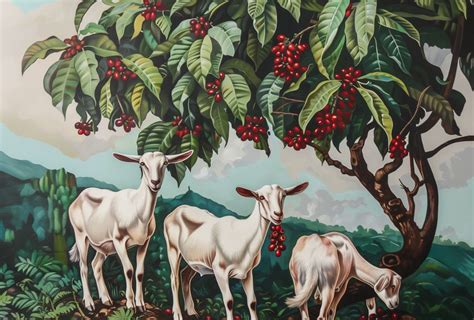
The history of coffee in Africa dates back centuries, long before it gained global popularity. Ethiopian legends tell stories of a goat herder named Kaldi, who noticed the energising effects of coffee cherries on his flock.
Read also: Flavor Profile of Ethiopian Coffee
This discovery led to the birth of coffee culture in the region.
Diversity of Varietals
African coffee is renowned for its diversity of coffee varietals, each offering a distinct and captivating flavour profile. In Ethiopia, the birthplace of coffee, you'll encounter varieties such as Yirgacheffe, Sidamo, and Harrar, known for their floral, fruity, and earthy notes, respectively.
Kenya, on the other hand, produces the celebrated AA-grade beans, celebrated for their bright acidity and citrus-like flavours. In Uganda, the Bugisu beans deliver a rich, full-bodied cup with hints of cocoa.
The Impact of Terroir
When discussing African coffee, one cannot overlook the concept of terroir, a French term that encapsulates the environmental factors contributing to a coffee's flavour. African coffee's exceptional quality owes much to the region's diverse terroirs.
The fertile volcanic soils of the Rift Valley in Ethiopia impart a natural sweetness to coffee beans, while the high altitudes of Kenyan coffee farms result in a bright acidity and lively character.
Read also: Ethiopian Coffee in Aurora
The Natural Processing Method
One of the hallmarks of African coffee is its natural processing methods. While other regions often employ washed or semi-washed techniques, African coffee is frequently sun-dried with the coffee cherries intact.
This process allows the bean to absorb flavours from the fruit, resulting in a distinct fruity and floral aroma. Natural processing adds a layer of complexity to the flavour, with tasting notes ranging from berry and citrus to jasmine and honey.
There are three techniques used for processing the coffee: the dry, or “natural,” process, the wet (and washed) process, and a hybrid process called the semi-washed, or “pulped natural,” method. The coffee resulting from these processes is called green coffee, which is then ready for roasting.
The oldest and simplest method of processing coffee, requiring little machinery, is practiced in dry climates such as those of Brazil and Ethiopia. After the fruits have been sorted (often by hand) and cleaned (via running water or washing canals or in large tanks), they are placed in the sun to dry on concrete, brick patios, or raised mats.
The cherries are frequently raked or turned by hand to shift them onto the driest surface and to prevent fermentation and mold. The drying process may take several days or up to four weeks.
The drying process is critical: overdried coffee will break, forming defective beans, and coffee too moist can deteriorate quickly if attacked by fungi and bacteria.
When the fruits have been dried to a water content of about 12-13 percent, they are mechanically hulled to free the seeds from their coverings.
Sustainable Practices
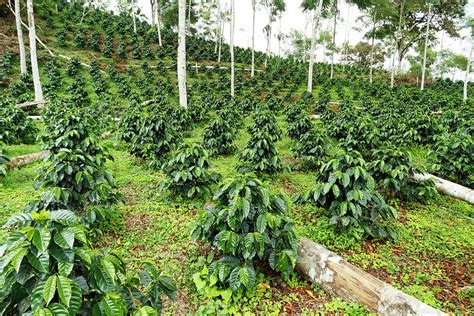
African coffee farmers are increasingly embracing sustainable practices, which further enhance the reputation of their coffee. Initiatives like fair trade, organic farming, and shade-grown coffee are gaining traction in African coffee-growing regions.
These practices not only benefit the environment but also ensure the well-being of the local communities.
In the late 20th and early 21st centuries there was renewed interest in shade-grown coffee as a sustainable farming method, and most organic coffee was shade-grown. In 2024 about 24 percent of global coffee production was considered shade-grown.
Global Appeal
African coffee's allure isn't confined to its continent of origin. It has a global fan base that spans across borders. Coffee enthusiasts worldwide are drawn to the rich and diverse flavours that African coffee offers.
Reviews and testimonials from coffee lovers often emphasise the vibrant acidity, fruity undertones, and unique profiles of African beans.
Brewing the Perfect Cup
To truly appreciate the exceptional flavours of African coffee, it's essential to brew it properly. Whether you prefer a pour-over, French press, or espresso, there are a few key tips to keep in mind.
Use fresh, high-quality beans, grind them just before brewing, and pay attention to water temperature. African coffee's distinct characteristics shine when brewed to perfection.
Ethiopian Coffee Ceremony
Supporting African Coffee Farmers
As you delve into the world of African coffee, consider ways to support the dedicated farmers and businesses behind these exceptional beans. Many farmers offer direct sales, allowing you to purchase coffee directly from the source.
Look for fair trade certifications, which ensure that farmers receive a fair price for their hard work.
Regional Spotlights
Ethiopia: The Birthplace of Coffee
Ethiopia is often credited as the birthplace of the coffee plant and coffee culture. According to legend, the 9th-century goat-herder Kaldi discovered the coffee plant after noticing the energizing effect the plant had on his flock.
Ethiopia gave the world Coffee Arabica, the species that produces most of the best quality coffees.
Considered the birthplace of coffee (and, by some, the birthplace of mankind), Ethiopia’s a legendary land for coffee. One of the distinct aspects of Ethiopian coffee is the incredible genetic diversity. Most plant varieties haven’t been formally identified, so we call these “heirloom” varieties.
Most coffee plants grow on land that doesn’t look like a farm at all. It just looks like a forest - and it is... Coffee in Ethiopia is enjoyed in ceremonial fashion. You don’t just brew a mug.
Flavor-wise, Ethiopian coffees are all over the board.
Our Ethiopian Natural Coffee has blueberry overtones with marmalade and fruit undertones that lead to a clear and refined finish. Coffee farmers use a unique natural dry-process rather than the typical wet-process used in most equatorial growing regions.
The surrounding skin, fruit layer, and parchment shell of each individual seed are then removed.
When you drink our Ethiopian Natural Coffee, you are tasting quality green coffee beans, dried in the sun with the cherry still on the seed, and then an artisan coffee roaster working magic on the coffee beans to bring the natural fruit notes out of the coffee bean and into your cup.
Rwanda: A Rising Star
Rwandan coffee, emerging as a rising star in the world of specialty coffee, is a testament to the country's commitment to quality and sustainability. Nestled in the heart of East Africa, Rwanda's coffee-growing regions, such as the celebrated areas of Gakenke and Nyamasheke, offer the ideal combination of altitude and volcanic soil.
Rwanda is located a few degrees south of the Equator, in the African Great Lakes region and is one of the smallest countries on the African mainland. However, unlike Ethiopia, coffee isn’t native to Rwanda. It seems to have been brought to the country by German missionaries in the early 1900s.
Around 1930, coffee farming in Rwanda increased though it was mostly low-grade, high volume green coffee beans. Today, Rwanda is Africa’s ninth largest Arabica coffee producer with about 450,000 Rwandan small coffee farms. Coffee farms here are small and often only have about 165 trees per farm.
Rwanda Coffee is known for being sweet, full-bodied, fruity, and acidic. It is a unique profile that should not be overlooked by roasted and coffee drinkers.
What sets Rwandan coffee apart is not just its captivating taste but also the dedication to ethical and sustainable farming practices. Many Rwandan coffee growers prioritise social and environmental responsibility, emphasising fair trade and organic cultivation.
Specialty-grade Rwandan coffees often have a deep earthy flavor with subtle notes of fruits, flowers, and spices.
Kenya: Bold and Nuanced
Kenyan coffee is a captivating journey for the senses, celebrated for its vibrant and distinct flavour profile. Situated in the high-altitude plateaus of East Africa, Kenya's coffee-growing regions, including Nyeri, Kirinyaga, and Murang'a, benefit from volcanic soil and a temperate climate.
The geographic location of Kenya is interesting because it is intersected by the equator, which allows for near-perfect conditions for growing coffee. Kenya AA Coffee is a bold coffee with subtle nuances that light up the entire palate of your tongue.
Kenyan coffee is renowned for its bright acidity, medium body, and an array of flavours that often include citrus, black currant, and floral notes. The "AA" grade beans, an indicator of size and quality, are prized for their outstanding quality.
What sets Kenyan coffee apart is its meticulous processing, with a method known as the double fermentation process, which enhances its unique taste. Kenyan coffee cherishes tradition, and coffee plays a central role in Kenyan culture, from daily rituals to local gatherings.
In terms of flavor, Kenyan coffees can be quite diverse. Many of them have a juicy, fruity acidity.
Tanzania: Aromatic and Complex
Tanzania, which borders Kenya and Rwanda, is the largest of the East African countries. This beautiful country has more than four million wild animals in its periphery, making it the country with the largest concentration of animals per square kilometer in the world!
Popular articles:
tags: #Africa
