Located near the equator, Ethiopia boasts a reasonably mild climate, making it a fantastic year-round destination. However, the best time to visit Ethiopia is generally considered to be between October and May. During this period, you'll experience warm, dry, and sunny weather, ideal for a variety of activities including hiking, wildlife viewing, and sightseeing throughout most of the country.
Keep in mind that these months also represent the peak season for Ethiopia tours, which translates to higher costs and more crowded tourist spots. But traveling in the wet season has its advantages, as rain showers keep the landscapes fresh, green, and all the more impressive. Discounted prices are available during these months and fewer travelers are around, particularly in Lalibela.
Understanding Ethiopia's Climate
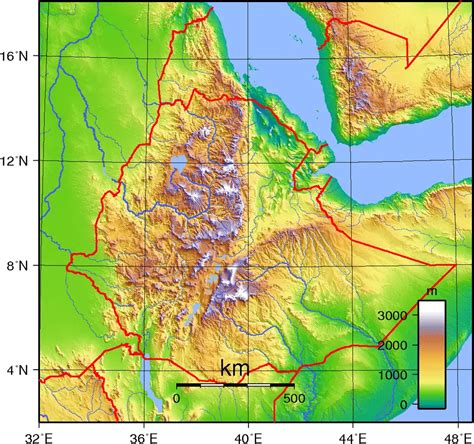
Ethiopia’s topography is quite dramatic. The central highlands have a more temperate climate, while the lower parts in the eastern and southern regions tend to be hotter and drier. In the western lowlands, the climate is hot and wet. Meanwhile, rains come in two separate seasons in Omo Valley.
Regional Considerations
- Danakil Desert: As temperatures in the Danakil Desert cool down from November to January, it’s best to travel during these months to avoid the scorching heat.
- Omo Valley: The remote Omo River region follows a weather pattern that is slightly different from other parts of Ethiopia. Avoid traveling during these months as road flooding and blockages make access virtually impossible.
Ethiopia Travel Guide: 16 BEST Things To Do In Ethiopia
Festivals and Events
The dry season’s weather allows for the biggest Ethiopian festivals to take place during this time. Here are some of the most popular:
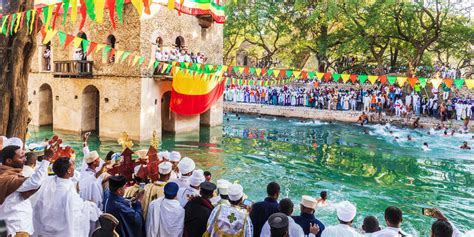
- Timkat (Ethiopian Epiphany): Celebrated on January 12, this 1,000-year-old festival features plenty of food, music, dancing, and colorful processions, especially in hotspots like Addis Ababa, Lalibela, and Gondar.
- Leddet (Ethiopian Christmas): Usually celebrated on January 6 or 7, it includes music and dancing.
- Meskel: A holiday in remembrance of Saint Helena’s discovery of the Holy Cross and takes place on September 27 or 28.
Wildlife Viewing
Watching wildlife in Ethiopia is not very season-dependent. Most of Ethiopia’s parks can be visited throughout the year. You’ll see animals at any time. However, the scenery, which is a huge attraction of the parks, is at its best after the rains from October to December.
Read also: Ethiopian Cuisine: Philadelphia Guide
However, July and August are the wettest months and travel over that period isn’t recommended (especially if you intend to do some hiking or camping). The higher slopes of Bale and Simien Mountains National Parks can be very cold and unpleasant in the rains.
Exploring the Mountains
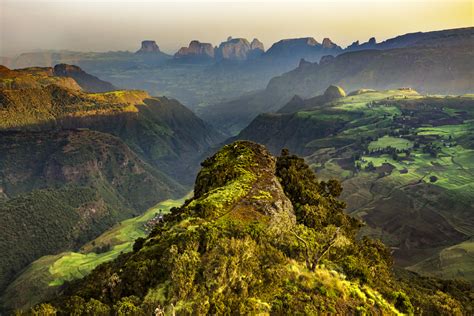
With spectacular scenery, vibrant wildlife, and one of the highest peaks in Africa, this sprawling mountain range is a favorite of outdoor lovers visiting Ethiopia. Fresh off the rainy season, everything is lush, green, and extra stunning.
Summary: Best Time to Visit Ethiopia
Here's a quick overview of the best times to visit Ethiopia for various activities:
| Activity | Best Time to Visit |
|---|---|
| General Travel | October to May (Dry Season) |
| Hiking & Sightseeing | October to May |
| Danakil Desert Exploration | November to January |
| Festival Attendance (Timkat, Leddet) | January |
| Wildlife Viewing | Year-round (scenery best Oct-Dec) |
Read also: Best Beaches in Ghana
Read also: When to Visit Mauritius
Popular articles:
tags: #Ethiopia
