Mauritius, an island paradise in the Indian Ocean, is a dream destination for many. With its stunning beaches, vibrant culture, and diverse wildlife, it attracts travelers from all over the world. According to Mark Twain, Mauritius was the model for heaven, and it’s not difficult to see why.
Concentric circles of open ocean, a sapphire lagoon, and beaches of powdery white sand wrap around the island. It's the perfect setting for luxury resorts and an astonishing range of activities both in and out of the water. Mauritius has depth of character to go with its good looks. Its rugged interior, fascinating towns, and intriguing cultural and culinary mix combine to make this so much more than just a world-class beach destination.
Best of all, the island can be enjoyed year-round. To make the most of your trip, it's essential to understand the best time to visit.
Many people associate Mauritius with year-round sun, but visitors need to know where to go and when. Despite easy, direct-flight access from the UK, for many people a visit to this tropical idyll will be a once-in-a-lifetime break - so it pays to time the trip just right.
Whether you want to fly and flop when the weather is at its most reliably balmy or are hoping to snag a lower-season deal (ideal for enjoying the island’s many inland activities), read on to discover the best time to touch down.
Read also: Planning Your Ethiopia Trip
This seasonal guide will help you plan your perfect Mauritian holiday.
Climate Overview
Mauritius enjoys a tropical climate, characterized by warm temperatures year-round. Lying within the south tropical belt and surrounded by water, Mauritius sees a tropical maritime climate throughout the year. Even though it can get hot and humid, the southeast trade winds balance out the atmosphere bringing in plenty of rain in their stride. The temperatures here don’t vary much seasonally or diurnally.
The island experiences two distinct seasons:
- Summer (November to April): Hot, humid, and rainy.
- Winter (May to October): Cool, dry, and pleasant.
The Mauritian microclimate produces changeable weather. The island has its own rather feisty microclimate. It could be dry and sunny somewhere that’s only a few minutes away from a downpour, so you’ll need to be mindful of this and plan activities accordingly. The east coast and central plateau catch the lion’s share of the wet weather, while the more sheltered west coast is much drier.
In general, the period from June to September is cooler and drier. Then, from November until April, the country goes through its warm and humid summer, which can make conditions testy but not unbearable. Cyclone season officially starts on November 1 and doesn’t end until May 15 the following year. Summer isn't very hot in Mauritius. Even when the temperatures rise unexpectedly, the waters and winds of the Indian Ocean provide immediate relief. The weather, on the whole, is partly hot, wet and humid. The temperatures range from 21 to 28-degree Celsius and at times can go up to 30, near the coasts. The central plateau is usually at least 3-5 degrees lower than the coastal regions of the island. These conditions allow you to explore the interiors of the island without sweating out much. This season is great for hiking and is usually the right time to explore the once volcanically active region on the island.
Read also: Ethiopian Cuisine: Philadelphia Guide
A good rule of thumb is to aim for the east coast in winter (the Mauritian summer) and the northwest in summer (Mauritian winter).
Mauritius Travel Guide | Best time to Visit, Top Beaches, Adventures, Nature & Mauritian Cuisine!
Summer (November to April)
November to April is 'peak-season' in Mauritius. This is the most popular time of year to visit Mauritius due to the rising temperatures and tropical climate. You can expect lots of sunshine and high temperatures. By December, temperatures generally reach 29 or 30 degrees celsius. Therefore, the best time to visit Mauritius is November and December if you are travelling in the summer.
Despite this, the rain is generally short-lived. The warm waters of the Indian Ocean are perfect for snorkeling and scuba diving in the summer. Christmas time in Mauritius is one of the busiest months for tourism, so expect larger crowds, but a cheerful, lively atmosphere too!
Weather:
- Average temperatures: 25°C to 33°C (77°F to 91°F).
- High humidity and frequent rain showers, especially from January to March.
- Cyclone season peaks between January and March.
Pros:
Read also: Best Beaches in Ghana
- Lush green landscapes due to the rains.
- Ideal for snorkeling and diving as the water is warm and visibility is excellent.
- Lower accommodation costs compared to peak tourist season.
Cons:
- High humidity and occasional heavy rains.
- Risk of cyclones disrupting travel plans.
Costs:
- Flights: Approximately $800 - $1,200 for a round trip from major international airports.
- Accommodation: $50 - $150 per night for mid-range hotels; luxury resorts from $200 per night.
- Activities: Snorkeling and diving trips cost around $50 - $100.
Activities:
- Snorkeling and Diving: The warm waters are perfect for exploring coral reefs.
- Water Sports: Windsurfing, kite surfing, and sailing.
- Exploring Nature: Visit botanical gardens and nature reserves.
It will be important to keep in mind that from November to April, the island runs a risk of being subjected to hurricanes. The last month of the year is a busy month globally and in Mauritius it’s no different. The humidity levels increase over December, and heavy showers are a regular occurrence, but usually later in the day. The sea temperature is significantly warmer during the month, making it perfect for water sports such as scuba diving, windsurfing, and kayaking.
By the end of the year, the humidity rises and heavy showers begin. The new year marks the beginning of the wet season, also known as cyclone season. Between January and March, Mauritius sometimes experiences cyclones and heavy rains. This is due to its location near the equator in the Indian Ocean. Nevertheless, Mauritius generally avoids the worst storms, with cyclones only hitting the island on average once every 5 years. Furthermore, most of the resorts and towns are well-equipped to handle the unpredictable weather of cyclone season. By the end of February, the worst of the rains are over. If you travel to Mauritius during this season you can enjoy discounted accommodation, fewer crowds and the festivities of the Chinese New Year and Holi Festival! Also, the weather is still very warm.
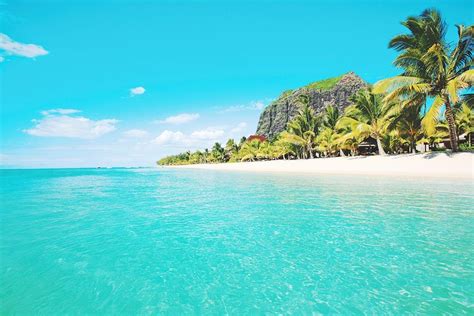
Winter (May to October)
If you ask the locals, they will tell you that winter is the best time to visit Mauritius. May to October is generally described as winter in Mauritius. At this time of year, you can expect dry weather, less humidity and pleasantly sunny days. This is the perfect time of year to go sightseeing in Port Louis or explore the natural wonders of Chamarel, home of the Land of Seven Colours'.
Mauritius enjoys a relatively dry and warm winter. The humidity is slightly lower around the west coast and the temperatures stay at a pleasant average. This is the perfect time to amble about on the beaches.
If you prefer slightly cooler temperatures (around the mid-20s), less-crowded beaches and sightseeing, winter is the best time to go to Mauritius.
Weather:
- Average temperatures: 17°C to 25°C (63°F to 77°F).
- Dry and cooler, making it the most pleasant time for outdoor activities.
- Less humidity and almost no rain.
Pros:
- Perfect weather for beach activities, hiking, and sightseeing.
- Clear skies and mild temperatures.
- Peak tourist season, ensuring all attractions and activities are open.
Cons:
- Higher accommodation and flight prices due to peak season.
- Crowded beaches and tourist spots.
Costs:
- Flights: Approximately $1,000 - $1,500 for a round trip from major international airports.
- Accommodation: $100 - $250 per night for mid-range hotels; luxury resorts from $300 per night.
- Activities: Hiking tours cost around $30 - $70; boat trips around $50 - $100.
Activities:
- Beach Activities: Sunbathing, swimming, and beach sports.
- Hiking: Explore the Black River Gorges National Park.
- Cultural Tours: Visit historical sites and experience local festivals.
June and July are the coolest months with highs of 24 degrees celsius. The trade winds begin to pick up on the east coast in July too, so less sheltered beaches might feel quite cool. August in Mauritius has milder temperatures and no rain, ideal for sunny days but without the intense heat. It's best to stay on the west or north coast during August because the beaches are more sheltered from wind. August is a festival month on the island with the Ganesh Chaturthi Festival honoring the God Ganesh.
The month of September marks the unofficial start of peak season in Mauritius. The strong trade winds begin to die down, and the temperatures rise, welcoming in the summer months and longer days of sunshine.
Overall, October is the best month to visit Mauritius. This is the driest month and also coincides with the Hindu festival of Diwali, when you can enjoy the local festivities of this celebration of light!
Shoulder Seasons (April to June and September to November)
Shoulder-season months in Mauritius mean lower prices. It’s less humid than during the high-season summer months and ever-so-slightly cooler, but without losing that agreeably tropical feel. You’ll share the island with fewer visitors, and underwater visibility is ideal for diving and snorkeling. These months can also be a brilliant time for festivals. So long as you avoid the European (especially French) school holidays, it can be lovely and quiet with few other travelers around. If there’s a downside, rougher seas can reduce visibility for divers and snorkelers.
Weather:
- Moderate temperatures and low humidity.
- Less crowded than peak season but still offers good weather for outdoor activities.
Pros:
- Lower accommodation and flight costs compared to peak season.
- Pleasant weather for beach activities and sightseeing.
- Fewer tourists, offering a more relaxed experience.
Cons:
- Some attractions might have shorter opening hours or be closed for maintenance.
Costs:
- Flights: Approximately $900 - $1,300 for a round trip from major international airports.
- Accommodation: $60 - $180 per night for mid-range hotels; luxury resorts from $220 per night.
- Activities: Mixed tours (beach, nature, culture) cost around $40 - $90.
Activities:
- Wildlife Watching: Ideal time to visit the Ile aux Aigrettes nature reserve.
- Beach Relaxation: Enjoy less crowded beaches.
- Cultural Experiences: Participate in local events and festivals.
Monthly Breakdown
January
January is one of the hottest and wettest months of the year in Mauritius. With the overflow of holidaymakers from the Christmas period, the island is still bustling. January’s early weeks are some of the busiest of the year, but the rush is already tapering off by the end of the month. Cyclones are always a possibility, but fireworks are far more likely to come from Chinese New Year celebrations, especially in Port Louis.
Key Events: Chinese New Year
February
Following suit with January, Mauritius is hot, humid and rainy in February. The rain usually doesn’t last long and clears after a few short hours. The weather in February isn't ideal for a beach holiday, but there are fewer holiday crowds. February is the height of the Mauritian summer and the warm temperatures, clear waters and thinning crowds make this one of the best times to visit the island. During the month of February (or March, depending on the lunar calendar), some half a million Hindus make a pilgrimage to the sacred lake of Grand Bassin for Maha Shivaratri: it’s one of the most memorable cultural events on the calendar.
Key Events: Maha Shivaratri
March
The month of March is Holi Festival month on the island of Mauritius, also widely known as the ‘Festival of Colours'. This annual celebration is held in honor of the Hindu deity Lord Krishna. Attendees line the streets during the festivities and cover themselves with vibrantly-colored powder and the atmosphere is jovial. Everything seems to be easing in March, from the risk of cyclones and the high temperatures to the cost of accommodation. It’s an excellent time to visit the east coast of Mauritius in particular (where accommodation in particular can be busy and prohibitively expensive at other times). Festivals are further highlights, from the Fête du Poisson to open the fishing season in Rodrigues, to the colorful Hindu celebration of Holi, when everyone gets doused with water and colored powder.
Key Events: Fête du Poisson, Holi
April
April is a hot and humid month. This is a great time on the calendar for sun seekers, although the island tends to be busier over the Easter holidays. If you prefer beaches that are quieter, it's better to plan outside of this period. Temperatures are starting to cool, although it’s all relative out here in the tropics. Unless your visit to Mauritius coincides with Easter (when you can expect lots of visitors flying in from Europe, with accommodation price hikes to match), it’s a lovely time to visit.
May
May officially marks the start of winter, but it's vastly different to the winters we know. The temperatures stay in the comfortable mid-range and the humidity has lifted. There are also very reasonable travel specials on offer for Mauritius accommodation in May, which makes this month popular. Rain is also unlikely to upset your travel plans during May.
June
In June, the weather starts to become cooler in Mauritius. If you prefer hot weather, you may find June a much cooler month than the humid weather at the beginning of the year. Even in the depths of a Mauritian winter, it’s still warmer on a beach here than in much of Europe or North America. Despite much of the northern hemisphere being on holiday, June accommodation prices are usually pretty reasonable.
July
July is also considered one of the cooler months in Mauritius. If you are after the best possible weather during this time, the North of the Island is where to go in Mauritius at this time. July broadly mirrors June as Mauritius settles into its usual pattern of mild winter temperatures, clear skies and choppy seas that are better for surfing and windsurfing than for diving and snorkeling. The strong trade winds begin to increase and just like in May, the evenings can be a little colder. Kitesurfers should make their way to the renowned Rodrigues International Kitesurfing Festival, which has been running since 2013.
Key Events: Rodrigues International Kitesurfing Festival
August
You can look forward to the best of the low season in August, when you’re almost guaranteed to have very little humidity and rain, combined with pleasant temperatures. Generally low prices also help, though vacationing Europeans can make things a little busy on the coast. Visitor numbers (and prices) are at their lowest, and temperatures are yet to climb to their summer heights. If you’re anywhere near Port Louis on 9 September, head to the Père Laval Shrine on the city’s outskirts for one of the biggest celebrations of the year for the island's Christians.
Key Events: Père Laval Feast Day
September
August is a festival month on the island with the Ganesh Chaturthi Festival honoring the God Ganesh.
Popular articles:
tags: #Mauritius
