Bazaruto Archipelago National Park is a remote cluster of six islands located in picturesque southern Mozambique.
Sailaway Dhow Safaris, Bazaruto Archipelago, Mozambique
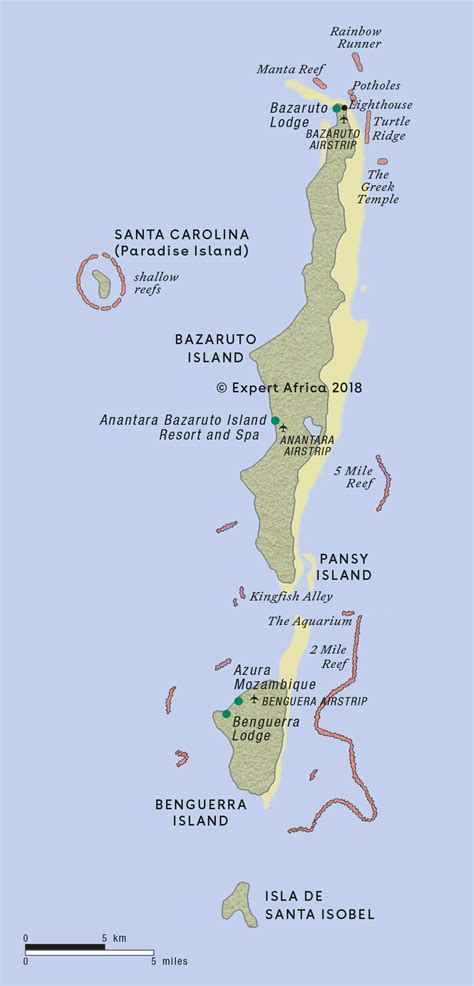
Map of Bazaruto Archipelago
The Bazaruto is a group of islands in southern Mozambique known for its incredible beaches and marine life. If you’ve seen any photos of this Southern African country, they’ll most likely have been of miles of sandbanks stretching across the ocean.
Getting to Bazaruto
Getting to the islands is not easy but has become easier recently. Vilanculos, a sleepy town full of South African ex-pats is home base for travel to the islands. Vilanculos - the jumping-off point for the Bazaruto Archipelago - is one of the most popular tourist destinations in the country. Bob Marley was ringing out across the sand, backpackers were lazing in hammocks, and I realised that beach guesthouses are the same the world over.
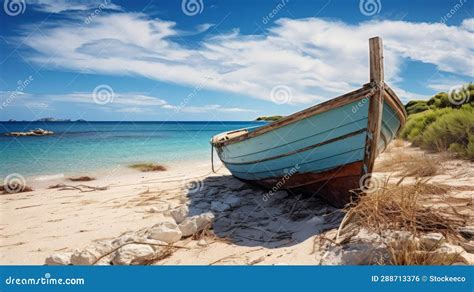
Lowtide boat resting on the beach in a cloudy day in Vilanculos.
Read also: Swahili Culture in Lamu
Vilanculos can be reached by flight from Johannesburg via SAA airlink, or driving from the SA/Mozambique border (~10 hours). Because there is a large South Africa presence here, it is more developed and tourism infrastructure is good. There are a few backpacker resorts in Vilanculos and from this town, a few companies organize dhow safaris to visit the islands.
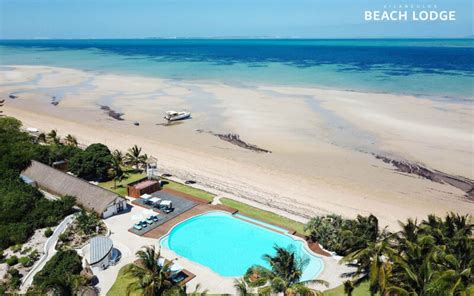
Our little hotel stop, Smugglers, in Vilanculos before heading to the Bazaruto.
Dhow Safari Experience
Part of an overland tour I did with Nomad, this was the highlight of our 2 week trip through Swaziland and Mozambique. We did a 2 day, 1 night dhow safari through sailaway.co.za departing from Vilanculos, a sleepy beachside town full of South African ex-pats and also the gateway town to Bazaruto. As this was already organized and we had already paid for it, I didn’t bother asking around for better rates. However, I think these guys are probably the most expensive.

The group stopping for lunch on the drive up from Tofo to Vilanculos.
There are five islands that make up this Archipelago: Bazaruto Island, Benguerua, Santa Catalina, Magaruque, and Chizungune. We ended up visiting Magaruque and Bazaruto. These islands are all home to ultra-luxury lodges ($500-1500/night) and some islands can only be visited with a reservation.
Read also: Property Practitioners Regulatory Authority
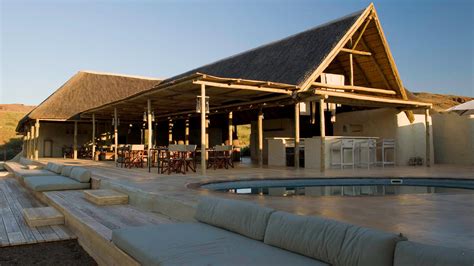
Sailing past some really expensive lodges in the Bazaruto
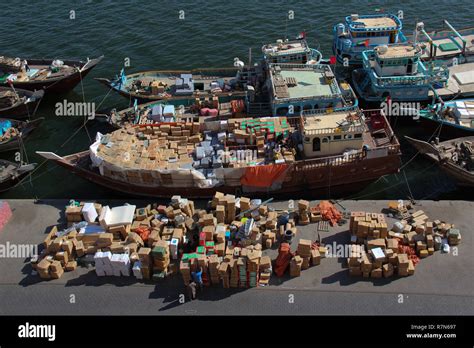
Loading up our big dhow for the upcoming days!
Magaruque Island
Our first stop on our dhow safari was Magaruque Island, a deserted beach paradise. The Bazaruto is famous and particularly unique to me because of its dramatic sandbars that appear and disappear with the tides. As we sailed towards Magaruque, it was still low tide and we could barely see the sandbars but as we got to the island, the tide was coming in, and a large sandbar appeared in the distance. It looked so beautifully inviting that I felt like I could swim there!
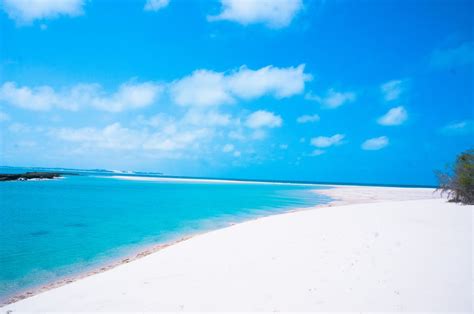
Approaching Margaruque
We set up camp here for a few hours, while the crew of our dhow safari cooked us up a delicious seafood lunch, and snorkeled. After lunch, we sailed back towards the mainland (they are no longer allowed to set up camp in the Bazaruto as the islands all belong to someone), where we sleep in tents and await the morning.
Read also: Amazing Facts About Africa

Our ship captain also preparing our delicious seafood lunch
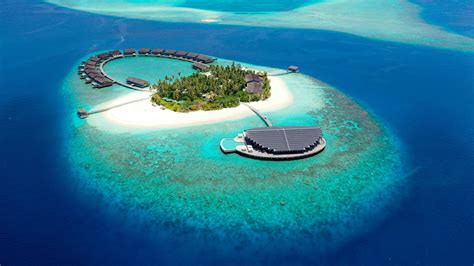
Beautiful Margaruque island!
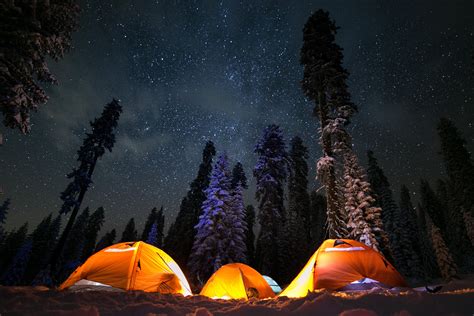
Our campsite for the night.
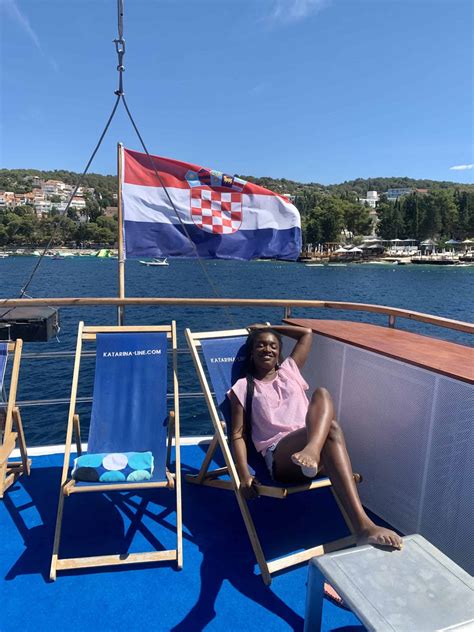
Lounging after a long day sailing around the Indian Ocean.
Bazaruto Island
Day 2 of the dhow safari begins with some snorkeling next to Benguerra Island. The snorkeling was excellent. There is diving available here too as we saw a few dive boats. God, all these islands are just incredible. We sailed past some of the private resorts and my goodness they were incredible, as they should be for those exorbitant prices. Some day!
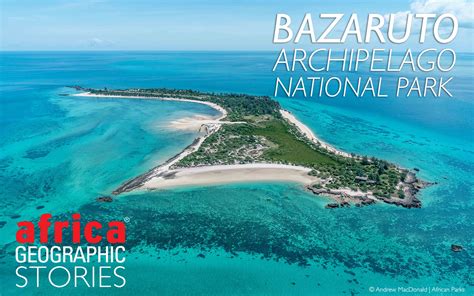
Approaching Bazaruto Island.
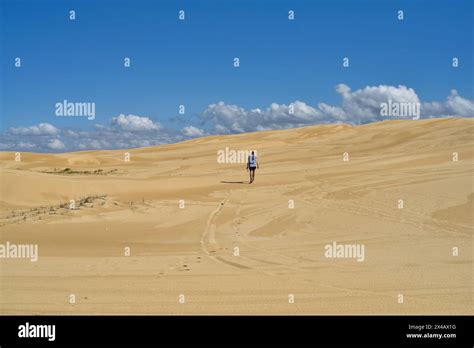
Walking up the dunes
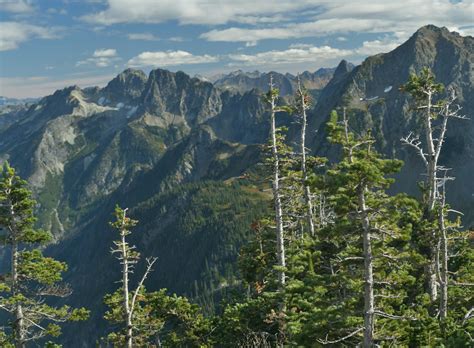
Ridiculous views, this picture does NOT do it any justice. The views of the sandbanks up on a huge dune is something else.
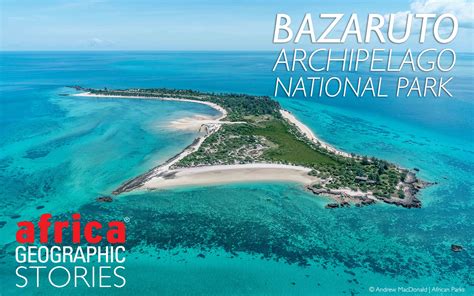
Bazaruto Island!
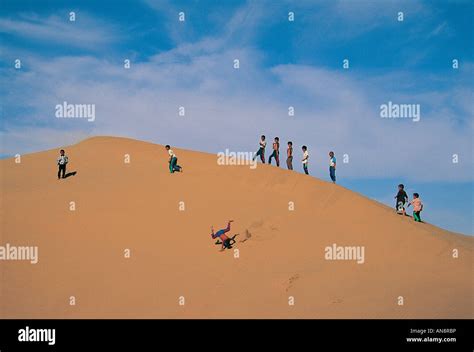
Playing on the dunes on Bazaruto Island
With all that said however, Bazaruto Island is definitely the highlight. There is a huge sand dune on this island that we could see from a distance. As soon as we docked, we ran straight towards the sand dune. Sand dunes are incredible enough as it is but when it is surrounded by beautiful, tropical colored water, that is something very special. It was like Sossusvlei meets Zanzibar. You can jump around, scream, and yell because there is no one else around!
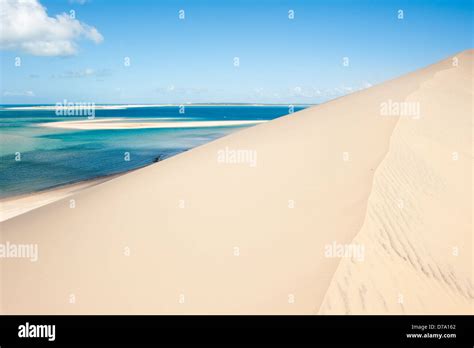
Bazaruto Island Dunes
From talking to the locals, the smaller and less visited islands around the Bazaruto are supposedly even more nice than the two islands we visited of Margaruque and Bazaruto. Thankfully, I would be heading up to the Quirimbas in Northern Mozambique shortly, which in my opinion are even more stunning than the Bazaruto.
Luxury Resorts in the Bazaruto
To actually stay in the Bazaruto, you’ll need to stay at one of the ultra luxury resorts. Each island within the archipelago has one or two ultra fancy resorts. Prices for these resorts can easily eclipse $1,000 a night. From Vilanculos, there are private boats or private helicopters that will take guests to these islands.
You could say the Bazaruto Archipelago was the entire reason behind my trip to Mozambique.
Accommodation in Vilanculos
The are two types of accommodation I love checking out when I travel. The first is just like Baia Sonambula, in Tofo. It’s a bit of a splurge, but doesn’t feel like I’m wasting my money or receiving bad value. It’s eco-friendly, the staff are lovely, and it’s somewhere where I feel relaxed and at ease.
The second type is the kind of hostel where you instantly slot into place. It’s rare for me to find accommodation where I instantly connect to every traveller I meet there, but in Vilanculos, I immediately felt at home. I made friends quickly and easily, there were always people around to chat to, and the Wi-Fi was speedy.
I’d opted for a private room and was placed in a circular wooden hut with a thatched roof. Although it felt like a comedown to be somewhere so basic after the luxury I’d experienced in Tofo, it had everything I needed to live. I had a bed, a mosquito net, desk and chair, and a fan that blew hot air uselessly around the room. It was humid and stuffy, but a place to lay my head at night, and I was grateful for that.
I was not grateful for the cockroach that scuttled over my naked body one night while I was sleeping.
One of the reasons why I decided to go for Baobab Backpackers was because of the wide range of activities that were on offer. Each evening, the owner popped up in the bar and announced which tours were an option for the next day, and they usually involved a day spent exploring one of the islands in the Bazaruto Archipelago.
Magaruque Island Excursion
I signed up for a trip leaving the following morning. We were heading to Magaruque Island, the third largest in the Bazaruto chain. It’s the closest island to Baobab Backpackers and takes two hours by dhow (a Mozambican fishing boat) to get there.
After suffering from seasickness so bad it turned my face green mere days ago in Tofo, I wasn’t thrilled about clambering on board another boat, but fortunately, the ocean outside Vilanculos is nothing like the choppy waves near Tofo. Because there are so many islands scattered along the coast and the waters are so shallow, the sea was calm and I felt fine.
As we motored away from shore, I kept an eye on the horizon in search of one of the hundred-odd elusive dugongs that have made the Bazaruto islands their home.
It started raining. I watched as one of our tour guides - a teenager who was wearing a bright purple t-shirt saying, “Quick! Run away! They’re playing banjos!” - pulled out the dhow’s sail from a box at the front of the boat and wrapped it around the mast and all of us, so that we were all kind of parcelled up inside. It stopped the ocean from splashing up into our faces, sure, but the sky still rained down on our heads. We couldn’t see a thing. My vision of skipping over pristine sandbanks in the sunshine was rapidly fading.
Our dhow consisted of eight Brazilians and an Italian-South African couple. Everyone could speak Portuguese but me, which was embarrassing because I live in Portugal. Still, I got to experience travel as non-English speakers often do, as our guide spoke only in Portuguese and I had no idea what was going on most of the time. Fortunately, the non-Brazilian couple took pity on me and translated enough that I could learn we’d be snorkelling as soon as we arrived.
Snorkelling Adventure (and Misadventure)
Snorkelling. I. Hate. Snorkelling.
We pulled up to Magaruque Island just as the sun broke through the clouds, and I was reminded yet again, that for some reason, the weather gods are always taking care of me. In six-ish years of travel, I’ve only had a handful of days ruined by bad weather. In fact, a mere week after leaving Mozambique, it was hit by a huge and damaging cyclone, but while I had been there? There’d been nothing but blue skies, and this rain had been the first I’d come up against in the country.
Our group clambered up onto the sand, and I felt like sulking when everyone ran to grab their snorkelling gear. I thought about skipping out on it. I really wanted to skip it. After swallowing half the ocean on my recent snorkelling trip in Tofo, I’d sworn off it for good. Again.
But I didn’t want to be that person. I didn’t want to be the lone grumpy traveller who refused to partake in the fun.
“An octopus!” I watched as a guy plunged his hand into the sparkling turquoise water to point out the cephalopod. The second he leapt off the ledge and into the water, the octopus took flight, and I shuddered at the thought of having its tentacles wrap their way around my face until I suffocated.
I didn’t have long to panic, though, as seconds later, I was jumping into the water and getting swept up in the current. Snorkelling alongside Magaruque Island was exactly what I imagine a drift dive to be like. The current was so powerful that the only swimming I had to do was to slow myself down.
It didn’t take long for me to decide this was the best snorkelling experience of my life. For the first time ever, my mask and snorkel didn’t attract every drop of water in the sea, so I could actually see what was around me and enjoy the experience without having to choke down half a gallon of saltwater.
If I’d hadn’t had the snorkel in my mouth, I would have been gaping, as the reef next to the island was teeming with sealife. I drifted past stonefish and trumpetfish and parrotfish and… are you surprised I know the names of the fish? Yeah, I’m totally just repeating the names I heard when eavesdropping on a conversation once we were back on dry land.
And let’s just say I was glad I had no idea what a stonefish was until I was back in my room and googling it from the safety of my bed. It’s the most poisonous fish in the world and touching one of its spines can kill you. I’m so glad I didn’t know I’d been happily swimming next to one of those bad boys.
I almost got swept out to sea.
I promise I’m not exaggerating. See, the thing was, the fins I’d been given were roughly a size bigger than my feet, which didn’t seem like that big of a deal when I wasn’t in the water. What I came to discover, though, was that having these baggy fins meant that every time I kicked hard, my feet would slip their way out and my flipper would drift off into the open ocean. I reassured myself that it was fine. The current was so strong that I didn’t need to kick my feet anyway.
Popular articles:
tags: #Africa
