African art is a vibrant and diverse celebration of the continent’s rich cultural heritage. Spanning over thousands of years, African art is not just a display of artistic skills, but also a profound expression of beliefs, traditions, and histories. From the vivid patterns and intricate symbols to the deep meanings underlying each piece, African art provides us with a window into the souls of its creators and their communities.
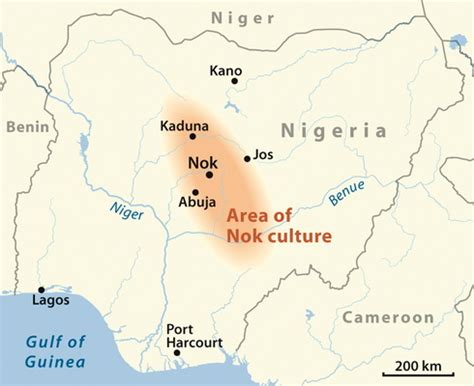
Understanding and appreciating African art requires not just an eye for beauty but also a curiosity about the cultural contexts from which it emerges. Artifacts from Africa vary widely, not just in terms of the medium and form, but also in the symbolic meanings they carry. Whether it’s the Copperhead sculptures from Ife, Nigeria, the beaded crafts of the Maasai in Kenya, or the ancient rock art of the San people in southern Africa, every piece tells a unique story.
The Role of Symbols in African Art
Symbols play a crucial role in African art, serving as a visual language that conveys deep meanings and cultural knowledge. Often, they are not immediately apparent and require knowledge of the cultural context to decode. For instance, the Adinkra symbols from Ghana are a sophisticated system of visual communication.
These symbols, which are used in textiles, pottery, logos, and advertising, convey themes related to wisdom, unity, and other significant cultural values. Animal motifs are another common feature in African art, where each animal is imbued with its own specific set of attributes. The leopard, for example, is often seen as a symbol of power and leadership. Elephants, on the other hand, represent strength and wisdom.
Adinkra Symbols
Adinkra are visual symbols that represent concepts, proverbs, and aphorisms. They originated from the Gyaman people of Ghana and Côte d’Ivoire. Back then, they featured as prints on cloth which royals wore to important ceremonies. But they have transcended these Ghanaian and Ivorian origins. They now grace logos, clothing, furniture, architecture, and more.
Read also: Experience Fad's Fine African Cuisine
Saturated with meaning, Adinkra have come to represent the richness of Akan culture in particular and African culture in general. They serve as a concise way to convey deep truths in visual form. In fact, many of the symbols have their own associated Akan proverbs. Due to their appealing attributes, Adinkra symbols are often used in logos and emblems to promote ideas and causes.
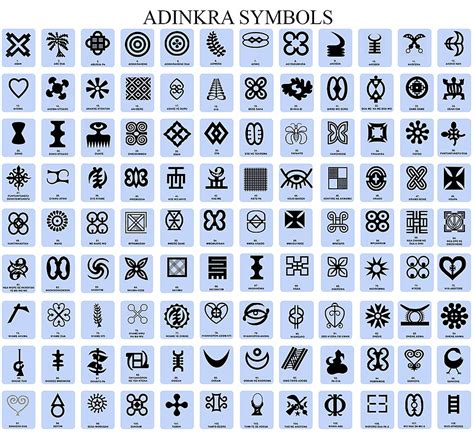
Here are some examples of Adinkra symbols and their meanings:
- Except God: A symbol expressing the omnipotence of God. Probably the most popular Adinkra symbol in Ghana.
- Go back and get it!: A symbol of the wisdom of learning from the past to build for the future.
- King of the Adinkra symbols: A symbol for authority, leadership, and charisma. Also a symbol for qualities associated with kings.
- Ram's horns: A symbol of strength (in mind, body, and soul), humility, wisdom, and learning.
- Conjoined crocodiles: Twisting. A symbol representing the tortuous nature of life's journey and, also, the toughness, versatility, and dynamism required to thrive in it.
Adinkra Symbols and Meanings
Intricate Patterns in African Art
The use of intricate patterns is a distinctive feature of African art, permeating everything from textiles to pottery, masks to sculptures. Textiles, for instance, are an important art form where pattern plays a prominent role. Kente cloth from Ghana is a famous example.
Each pattern-known as ‘nsaduaso’-is unique and represents different aspects of the wearer’s social status, history, and identity. Pottery designs also carry significant cultural meanings. Among the Yoruba people of Nigeria, for example, pottery is often adorned with patterns that have specific societal or spiritual significance.
Read also: The Story Behind Cachapas
Textiles
Being an emblem of cultural heritage, the loin cloth or African fabric is also a cultural identity. African Fabrics are more in fashion. Ladies and even men wear attires and accessories made of African Fabrics. Traditionally, these fabrics were worn for special occasions such as community gartherings, family reunions, and events held in an association.
The fabrics were not just worn for the sake of wearing but they had a particular significance and meaning. There are many fabrics which are not yet known and are less common.
Some examples of African textiles include:
- Baoule: A traditional fabric in Cote d’Ivoire woven in 5 inch wide swaths of fabric. The swaths are then sewn together to make loins. These loins are very heavy and thick.
- Capulana: The traditional loin cloth in Mozambique. Originally it had only three colors, white, black and red.
- Adire: In Nigeria, Adire is the name given to indigo dyed cloth produced by Yoruba women.
- Saso Dan fani: Literally means woven loin cloth of the country. It is a piece of material with 12-15 cm width and 50 cm long, traditionally made by women in Burkina Faso. Former President of the country Thomas Sankara considered it as national emblem and created institutions for women to produce and sell them.
- Bogolan: Means ‘made from mud’ in Bambara, the main language of Mali. The dyeing and printing of cotton is entirely organic and safe to the environment.
- Aso oke: Yoruba, Nigeria’s a hand loomed cloth woven by the Yoruba people of western Nigeria. Aso oke means top cloth in the English language. These fabric are the most common ones and used throughout the world by fashion designers.
Masks
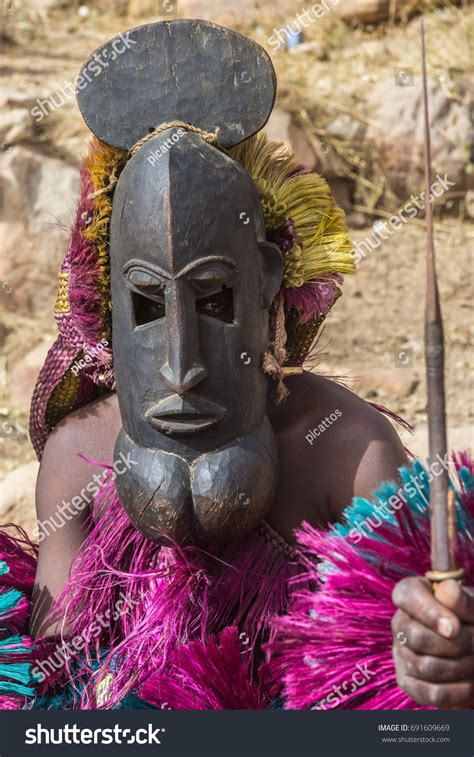
Masks are another integral part of African art, used in ceremonies, rituals, and community events. The Dogon people of Mali, for example, create masks that are used in their elaborate funeral rituals. These masks, known as ‘Kanaga,’ are designed to enable communication between the living and the spirits of the dead.
Similarly, the Punu people of Gabon are known for their white masks, which represent the spirits of deceased ancestors. These masks are worn during ‘mukudja’ dances to honor and seek blessings from the ancestors.
Read also: Techniques of African Jewellery
Sculptures
Sculpture is a major art form in Africa, often used to represent deities, ancestors, and mythical beings. African sculptures often depict human figures, each with its own set of symbolic attributes. For example, the Ife sculptures from Nigeria are renowned for their naturalism and attention to detail, representing the divine kings and gods of the Yoruba people.
The Baule people of Ivory Coast create sculptures known as ‘waka sran,’ which translate to ‘people of wood.’ These sculptures are used to house spirits and are often commissioned by individuals seeking guidance or solutions to personal issues.
Contemporary African Art
While steeped in tradition, African art is not static; it continues to evolve, reflecting the dynamic nature of contemporary African societies. Contemporary African art covers a vast range of mediums and styles, from the graffiti murals of Dakar, Senegal, to the digital art and installations of artists like Nigeria’s Laolu Senbanjo.
For instance, many modern African artists use their work to comment on postcolonial identity, globalization, gender issues, and environmental conservation. As contemporary African artists continue to innovate and push boundaries, they carry forward the legacy of their ancestors while creating works that resonate with today’s audiences.
African Patterns in Fashion
From Donna Karan’s jackets and wrapped skirts to French designer, Yves Saint Laurent’s L’ Afrik collection, some of the most memorable and popular designs have been inspired by African patterns and themes. Showcasing the diverse cultures of Africa along with the rich and vibrant color palate, influential fashion designers all over the globe have embraced the colors, patterns, cultural dress and tribal motifs of Africa.
Yet, despite African patterns appearing on everything from handbags to formal gowns, many designers and fashion lovers alike are unaware that these african patterns themselves hold so much more than their beauty. More than simply a fashion statement, traditional African textiles such as Kuba cloth and Mudcloth have an incredibly rich history of a great and ingenious people.
While they may look fantastic for today’s modern fashions, the prints can be a symbol of status, hierarchy, and allegiance to tribal roots. Because so much time and effort is put into making each fabric, the African people ensure that there is meaning and spirituality behind their work.
Examples of African Patterns in Fashion
- Kuba Cloth: Produced by the Kuba people of the Congo, this popular African pattern is created with the leaf of the Raffia tree. Each leaf is hand cut and then dyed using natural resources such as indigo and mud.
- Mudcloth (Bògòlanfini): Typically made from fermented mud, this cloth originates from Mali’s Bamana culture. In their culture, this African pattern is typically worn as a form of camouflage for hunters and as a badge of status for ritual protection. Women in the culture are wrapped in this fabric pattern after their initiation into adulthood and following childbirth.
- Kente Cloth: Vibrant and woven into long panels, Kente cloth is the classic and quintessential African style. The panels are sewn together and appropriate for both men and women’s clothing. The cloth is usually brightly colored with motifs representing religious or political commentary.
Color Symbolism
Color variations hold incredible meaning depending on the tribes and sub-groups of the culture. Here are some of the main colors found in African patterns along with the meaning they hold:
- White: Like in many cultures, white symbolizes spirituality and purity.
- Green: Although not used as often as gold, green also represents prosperity.
- Blue: The most harmonious of all colors, blue represents love and peace.
As you can see, African prints are so much more than meets the eye. Although they are flattering and the natural color palette of African patterns blend well with neutral tones like skinny jeans and a great pair of boots, knowing the significance and deeper meaning behind the clothing can make wearing the styles that much more fulfilling.
Because Africa is a source of inspiration that elevates any outfit with history and culture, there’s no doubt that this trend will continue to stay in fashion and forever be in vogue.
Geometry and Patterns in African Paintings
African art has long been a captivating force, weaving together a vibrant narrative of culture, history, and symbolism that resonates across continents and centuries. Within this multifaceted realm, the use of geometry and intricate patterns emerges as a particularly striking and essential element of African paintings.
Far more than a mere stylistic choice, the incorporation of geometric shapes and meticulous patterns serves as a profound means of communication, embodying cultural, spiritual, and social meanings that enrich the visual storytelling embedded in each stroke of the artist's brush.
Here are some key aspects of geometry and patterns in African paintings:
- Masterful Use of Geometry: The masterful use of geometry in African paintings is a testament to the precision and intentionality of the artists. Triangles, circles, squares, and other geometric forms are not arbitrarily placed; rather, they follow a deliberate design rooted in cultural traditions and symbolic significance.
- Intricate Patterns as Visual Language: Intricate patterns, often meticulously woven into the fabric of African paintings, act as a visual language that speaks volumes about the communities from which these artworks originate. These patterns, sometimes reminiscent of textile designs or architectural motifs, are steeped in cultural symbolism.
- Spiritual Intertwining: Beyond the aesthetic appeal, the use of geometry and patterns in African paintings is deeply intertwined with spirituality. Many geometric shapes hold sacred meanings, representing cosmic forces, spiritual entities, or the interconnectedness of the physical and metaphysical realms.
- Social Storytelling: Moreover, the utilization of geometry and patterns in African paintings is a form of social storytelling. These visual elements often convey communal values, shared histories, and the interconnectedness of individuals within the larger societal framework.
Communal and Social Dimensions
African paintings, far from being solitary expressions, are deeply ingrained in communal and social dimensions, reflecting a collective effort that involves multiple artists and community members. This collaborative approach not only adds layers of richness to the artistic process but also emphasizes the critical role of geometrical precision and pattern consistency in the creation of these artworks.
In many African cultures, the act of painting is a communal endeavor, where artists come together, each contributing their unique skills and perspectives to the collective masterpiece. This collaborative spirit not only amplifies the artistic diversity but also serves as a powerful catalyst for social cohesion within the community.
Guardians of Cultural Heritage
In a world marked by swift transformations, the role of African paintings as guardians of cultural heritage becomes increasingly pronounced. Beyond being mere aesthetic expressions, these artworks become conduits through which age-old traditions and stories are meticulously preserved and transmitted across generations. At the heart of this preservation lies the deliberate and intricate use of geometry and patterns, a testament to the profound commitment of African artists to safeguard their cultural legacies.
Examples of African Art Styles
African paintings exhibit an incredible diversity of styles, techniques, and themes across the vast continent.
Ndebele Art
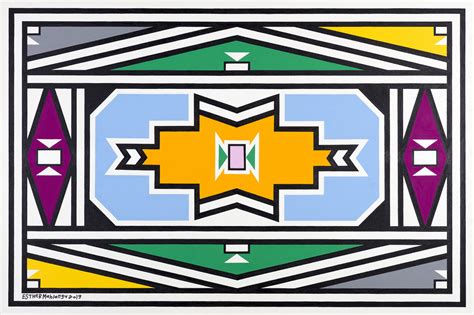
The rich tapestry of African art is beautifully woven with the vibrant threads of geometry and pattern, and nowhere is this more evident than in the artistic traditions of the Ndebele people in southern Africa. Their renowned use of intricate geometric patterns transcends mere aesthetics, serving as a powerful means of cultural expression and social symbolism.
Among the Ndebele, these mesmerizing geometric patterns are not confined to canvases but grace the very walls of their homes. The exterior surfaces of Ndebele houses are transformed into captivating murals, each stroke of color and every precisely placed line conveying a unique narrative. What makes this art form even more remarkable is its transmission through generations, predominantly from mothers to daughters.
The art of crafting these geometric patterns becomes a sacred tradition, a heritage passed down through the matriarchal lineage. Beyond its aesthetic appeal, this art form fosters a sense of community solidarity, reinforcing bonds between generations of women who share in the creation and preservation of this cultural legacy. The geometric patterns on Ndebele houses are not static; they evolve over time, reflecting changes in the community, the passage of seasons, or individual milestones.
Kente Cloth
Hailing from the vibrant cultural landscape of Ghana, Kente cloth stands as a testament to the rich tradition of African weaving art. This remarkable textile, woven meticulously on narrow looms, is a captivating showcase of the meticulous use of geometry and pattern in African artistic expression.
The intricate designs that adorn Kente cloth are a mesmerizing amalgamation of vibrant, multicolored patterns, each crafted with precision and care. The beauty of Kente cloth lies not only in its aesthetic appeal but also in the profound symbolism embedded within its geometric shapes. Beyond being a mere garment, Kente cloth plays a pivotal role in the fabric of Ghanaian cultural practices.
Here’s a table summarizing the key aspects of the discussed art forms:
| Art Form | Origin | Key Features | Significance |
|---|---|---|---|
| Adinkra Symbols | Ghana & Côte d’Ivoire | Visual symbols representing concepts and proverbs | Promote ideas and causes, represent Akan culture |
| Kuba Cloth | Congo | Patterns created with Raffia tree leaves | Symbol of status and tribal roots |
| Mudcloth (Bògòlanfini) | Mali | Cloth made with fermented mud | Camouflage for hunters, badge of status |
| Kente Cloth | Ghana | Vibrant, multicolored woven patterns | Represents wisdom, unity, historical significance |
| Ndebele Art | Southern Africa | Geometric patterns on house walls | Cultural expression, social symbolism |
