The world is full of delicious fruits and vegetables, with a wide array of colors, each offering unique health benefits. Purple fruits, in particular, are rich in anthocyanins, powerful antioxidants that contribute to their vibrant color and potential health benefits. This article explores various types of African purple fruits, their nutritional value, and health benefits.
What Makes Fruits Purple?
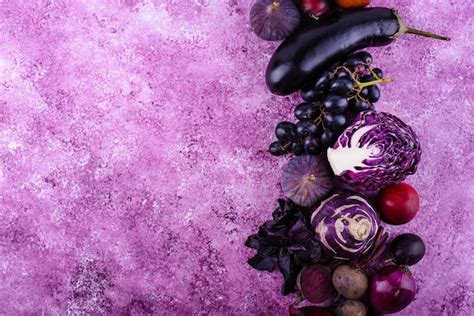
All brightly coloured fruit and vegetables contain colour pigments that give them their vibrant colours and act as a defence mechanism, protecting the plant from stressors like UV damage and pathogens.
Many purple-coloured foods contain colour pigments called anthocyanins. These plant pigments are water-soluble and have protective antioxidant properties for for the plant and us, when we include them in our diet. Anthocyanins are found in many deep red, purple and blue fruit and vegetables.
The natural pigments that give fruits their vibrant hues-such as anthocyanins, carotenoids, and chlorophyll-are packed with powerful nutrients like antioxidants, vitamins, and minerals.
Health Benefits of Anthocyanins
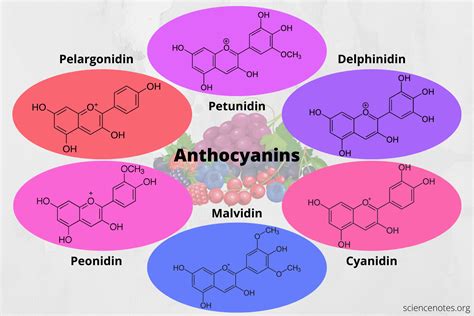
While research into the value of anthocyanins continues, studies to date demonstrate their benefits in the prevention of diseases associated with cell and tissue damage caused by a process called oxidation - this includes cardiovascular disease and neurodegenerative conditions.
Read also: Experience Fad's Fine African Cuisine
The human body absorbs anthocyanins along the gastrointestinal tract, especially in the large intestine, where they interact with the gut bugs that live there. By doing so, they help support gut health and are themselves transformed into compounds that have many health benefits, including helping prevent age-related bone loss and cancer.
Previous research has linked anthocyanins to improved longevity and a reduction in other age-related conditions such as dementia and vision loss.
Examples of Purple Fruits
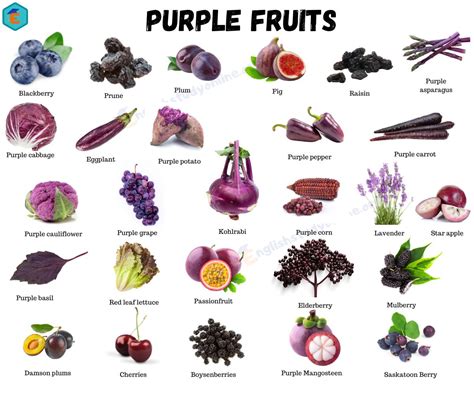
There are so many different varieties of purple fruits, but the number of commercially available purple fruits is more limited. One of the main reasons for this is that many berries and other fruits are either unsuitable for human consumption or are financially unviable for commercial production.
Top 25 Most Rare and Exotic Fruits in the World
Berries
- Blackberries: These juicy berries are packed with nutrition and potent anthocyanin pigments. Blackberries provide an excellent source of vitamin C.
- Blueberries: This purple pigment in blueberries comes from their anthocyanin content. Blueberries are typically consumed alone, with other berries, in yogurt or porridge, or in juices and smoothies.
- Elderberries Nineteen different anthocyanins have been detected in elderberries, mainly cyanidin-3-O-sambubioside and cyanidin-3-O-glucoside (18). Nutritionally, elderberries are a rich source of vitamin C.
- Acai berries: Acai berries are small, deep purple fruits that have become popular in the wellness world due to their high concentration of antioxidants, including anthocyanins.
Other Purple Fruits
- Plums: The purple skin of plums is due to the purple-pigmented anthocyanins they contain. Plums are one of the most popular commercially available fruits, and they can be eaten alone or used as an ingredient in desserts, jams, and numerous recipes.
- Purple star apple: Purple star apple is a fruit with a unique purple flesh.The fruits have sweet flesh that secretes a milky juice and has a radiating star pattern when cut.
Nutritional Profile of Purple Fruits
Part of the health benefits we can attain from purple fruits comes from the nutrient composition of the fruits. In this context, most purple fruits offer a good amount of dietary fiber, vitamin C, and several other vitamins and minerals. Additionally, purple fruits are high in anthocyanins, a flavonoid polyphenol thought to benefit human health.
Here's a look at the approximate nutritional values of purple star apples based on initial research:
Read also: The Story Behind Cachapas
| Nutrient | Value per 100g (Approximate) |
|---|---|
| Moisture | 81.4 g |
| Protein | 0.75 g |
| Fat | 0.31 g |
| Carbohydrates | 14.69 g |
| Fiber | 2.3 g |
| Ash | 0.85 g |
Incorporating Purple Fruits into Your Diet
Eating the rainbow doesn’t need to be complicated. Just aim to include at least two or three different colors on your plate at each meal.
- Start your morning off with a rainbow of fruits.
- Salads don’t have to be just leafy greens. Add orange bell peppers, cherry tomatoes, cucumbers, red onions, and purple cabbage for a colorful, nutrient-packed meal.
- Keep a variety of whole fresh fruits like apples, grapes, and mangoes on hand for easy snacking throughout the day.
- Instead of a basic fruit salad, create a “rainbow bowl” with a mix of fruits in every color-berries, citrus, kiwi, and grapes. This makes for a fun and visually appealing snack or dessert.
- Add colorful vegetables like red bell peppers, carrots, sweet potatoes, and dark leafy greens to your go-to lunches and dinners.
- Make your frozen fruit packs with a variety of colorful fruits, then use them in smoothies or as a quick snack.
- If you’re not sure where to start, simply add one more color to your plate.