The Black community has had a consistent and enduring influence on the fashion industry, but while some trends have been attributed to Black designers, often the origins are left largely uncredited. Black fashion and history have woven a rich tapestry of influence and inspiration that affects contemporary style. Black culture has a profound impact on style and an undeniable role in shaping modern trends.
Early Influences: Slavery and Beyond
In America, fashion for Black people has had an evolution steeped in oppression, resilience, and resistance. During the era of slavery and emancipation, African Americans were provided with plain, coarse clothing and very few options. This evolution laid the groundwork for a rich tradition of expressive fashion that would play a critical role in cultural identity and political movements. During enslavement, women working in onerous conditions wore the head wrap to keep the hair cleaner and to absorb perspiration. Use of the head wrap at home continued after the Civil War, but for public wear it was discarded.
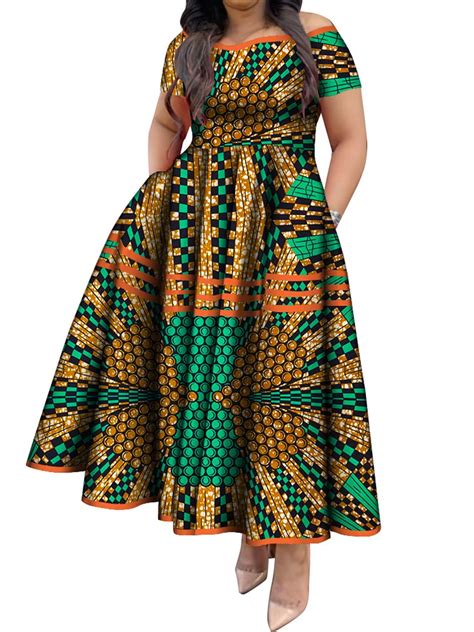
Evidence shows that some retained West African forms of bodily adornment, particularly in the form of jewelry. From the African Burial Ground (1712-1795) in New York City, the remains of an adult female and an infant wore waistbeads as do West African women. Former slaves provided testimony of wearing jewelry for both adornment and protection. Several Sea Islands narrators, for instance, describe single gold, loop earrings worn to protect the eyesight, retention of an African belief.
The Headwrap: A Symbol of Resilience and Identity
More outstanding as an African holdover than specific items of jewelry or clothing has been the interest in hairstyle and headwear by African American men and women. In the antebellum South, several states legally enforced the code that ordered black women to wear a cloth head covering in public and not the hats and feathers worn by white women. These codes thus marked certain females as a subservient class.
Read also: Experience Fad's Fine African Cuisine
Beginning with the civil rights movement of the 1960s and 1970s, the head wrap took on other meanings. Young African American women again tied elaborate head wraps around their heads and publicly wore them in acknowledgment of their enslaved ancestors and as a reference to Africa and the way West African women adorn their heads.
The Harlem Renaissance: A Cultural Explosion
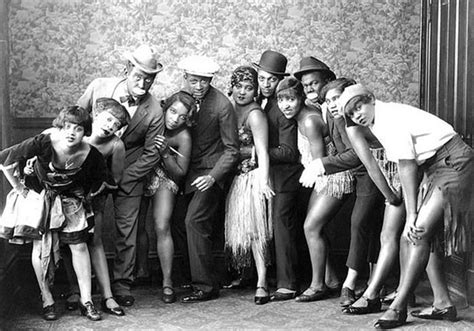
Harlem Renaissance photographer James Van Der Zee captures the jazz style of the era.
This era, centered in Harlem, New York, witnessed a bold assertion of African American identity mirrored in the emerging distinctive styles. Women embraced the flapper aesthetic with a twist, incorporating beaded dresses, feathered headbands, and fur coats, radiating glamour and liberation. On the other hand, men often donned loose-fitting suits with long jackets and high-waist trousers, accessorized with wide-brimmed hats, showing a blend of style and defiance. 1920s fashion icons like Josephine Baker would inspire women’s fashion thanks to her short hair and famous banana skirt.
Fashion and the Civil Rights Movement
Fashion has played a pivotal role in Black social movements as a powerful tool for self-expression, resistance, and identity affirmation. During the Civil Rights Movement during the 1950s and 1960s, the nonviolent protestors dressed in their Sunday best. Men donned sharp suits and ties as a form of armor, while women wore dresses and hats, echoing the respectability and dignity of their cause.
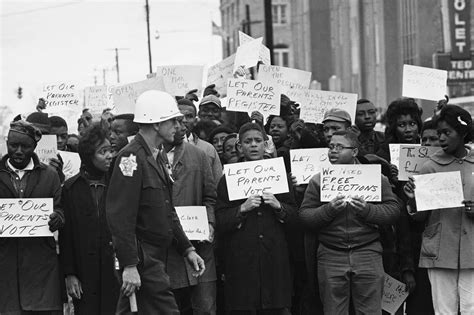
Civil Rights protesters and a Woolworth’s Sit-In in Durham, North Carolina in 1960.
Read also: The Story Behind Cachapas
In contrast, the Black Power Movement from the 1960s and 1970s encouraged a bolder sartorial statement that embraced cultural heritage and strength. The dashiki, with its vibrant colors and African patterns, became a symbol of African heritage. Meanwhile, the powerful imagery of the black leather jacket, beret, and raised fists became associated with the Black Panthers. Natural hairstyles such as the afro defied society’s standards of straightened hair.
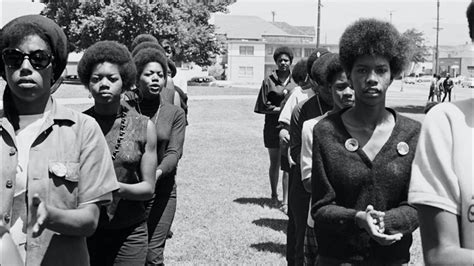
Women wearing their natural hair in the Black Panther Party circa 1970.
Hip Hop's Impact on Fashion
Hip-hop fashion has profoundly transformed since its inception in the late 1970s and early 1980s. Iconic rappers like Lil Kim, LL Cool J, and Notorious B.I.G. The 2000s saw the rise of hip-hop moguls launching their own brands, cementing the genre’s influence on global fashion trends. Air Jordans are some of the most iconic sneaker styles. Sneaker culture is a cornerstone of streetwear and hip-hop fashion, capturing a blend of aesthetics, personal identity, and social status.
Hip hop’s emphasis on dancing led to athletic wear and baggy clothing growing extremely popular. Coming out of the 1980s no one wanted to wear tight pants. It became an extremely popular movement which really just started because Black kids were like, ‘They’re too tight'. These larger sizes were easy to dance and pop and lock in and eventually led to the popularity of sagging pants.
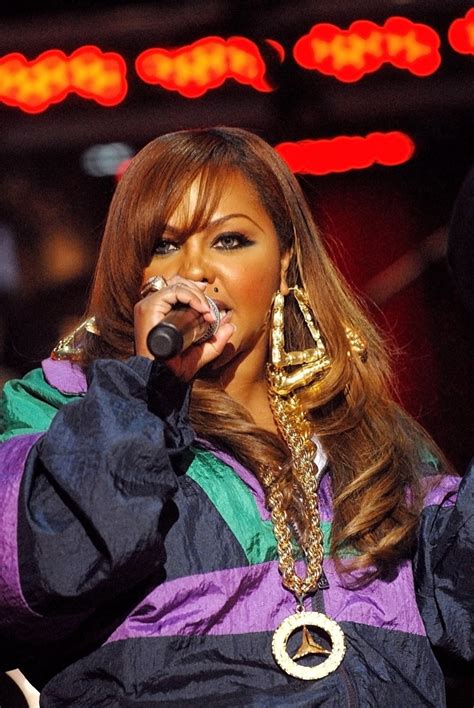
Rapper Lil Kim performs on stage in a tracksuit and gold jewelry.
Read also: Techniques of African Jewellery
Black Designers Reshaping the Industry
The fashion landscape has been shaped significantly by the pioneering work of Black designers. Fashion is inclusive and accessible to a diverse range of consumers. Telfar, founded by Telfar Clemens, is celebrated for its unisex designs and democratic approach to fashion, famously earning the adoration of icons like Beyoncé.
Black supermodels have played a pivotal role in shaping the fashion industry as we know it. Known for breaking barriers, supermodel Naomi Campbell walks a runway show. Social media and digital platforms have revolutionized how Black fashion is celebrated and disseminated globally.
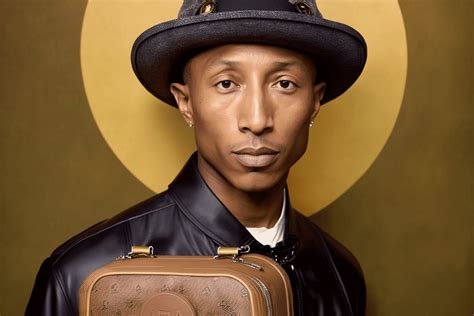
Louis Vuitton men’s creative director Pharrell Williams.
One Black designer who changed the face of luxury fashion forever was Dapper Dan. In the 1980s and ‘90s, Dapper Dan would place luxury logos or other brand symbols on fabric. Just as the punk movement had been widely influential starting in the mid-1970s, such as by popularizing Dr. Martens boots, she said, hip hop also had a far-reaching impact on fashion.
The Black Panther Uniform: A Symbol of Revolution
An afro tucked into a black beret, sunglasses over the eyes, a black leather jacket ornamented with pinback buttons, and a gun strapped across the body with a fist in the air. Although the impressive uniform garnered public attention, it was not a fashion statement. From top to bottom the uniform worn by many Black Panther Party members was strategic and symbolic. This uniform was a shift from what many in the Civil Rights Movement wore.
During a time when gender roles were evolving and women presenting themselves as militant was modern, the imagery of Black Panther Party women wearing berets and carrying guns was revolutionary. To the public eye, the Black Panther Party’s unisex uniform symbolized the inclusion of women in the organization. However, although the Black Panther Party included women, the organization was not always inclusive of women.
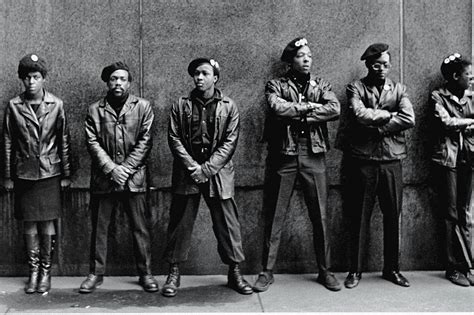
Here is a summary of the key elements of the Black Panther uniform and their symbolism:
| Element | Symbolism |
|---|---|
| Afro | Pride in natural hair, defiance of Eurocentric beauty standards |
| Beret | Revolution, non-conformism, resistance |
| Sunglasses | Concealment of identity, protection from surveillance |
| Leather Jacket | Convenience, unity (though some chapters wore camouflage) |
| Buttons | Promotion of causes, messages, and party leaders |
| Firearm | Self-defense, protection of the community from police brutality |
The Black Panther uniform not only garnered attention and helped get the Black Panther message across, but it also influenced future generations. Examples of the influences of the Black Panther uniform can be seen in pop culture from the uniforms worn by the S1W, part of the hip-hop group Public Enemy, and by performers such as Beyoncé during her 2016 Super Bowl halftime show.