Nigerian women's fashion is a vibrant tapestry woven from the threads of diverse ethnic groups, historical influences, and contemporary trends. The rich cultural diversity in Nigerian society has a huge influence on the Nigerian fashion world, with the various elements of the varying ethnic groups showcasing their unique designs and customs even in the modern-day.
Nigerian women dress styles are categorized based on the occasion, age, and tribe. Traditional dresses, specifically traditional attires, are clothes that are culturally and historically significant for a particular ethnic group, nationality, or religion. Western-style modern dresses are garments designed for women, typically covering the body from the shoulders to the knees or below. Casual dresses are versatile garments that offer a relaxed and comfortable style for everyday wear. Party dresses are stylish and festive garments specifically designed for social gatherings, celebrations, and events. Office dresses refer to professional and business-appropriate women's clothing designed for work environments.
Although there have been a lot of changes in the Nigerian fashion world, there is still a retention of its unique beauty and originality. Currently, Nigerian fashion continues to change and evolve with the incorporation of traditional fabrics and bold, colourful designs to make different styles.
Traditional Nigerian Attire
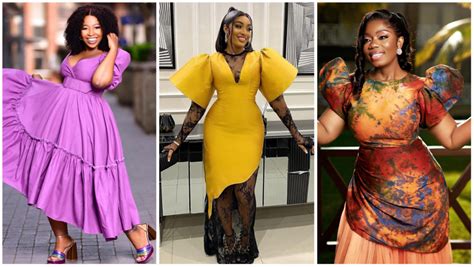
Traditional dresses, specifically traditional attires, are clothes that are culturally and historically significant for a particular ethnic group, nationality, or religion. These garments are often worn during special events, ceremonies, or religious observances, reflecting the heritage, craftsmanship, and identity of a specific community. Examples include saris for Indians, kimonos for Japanese, and dashikis for West Africans.
The design of Nigerian women’s dresses is as broad as the country’s ethnic groups. Each of the country’s more than 250 ethnic groups has its dress style.
Read also: Atlanta Nigerian Passport Services
Blouse and Wrapper
A traditional blouse and wrapper, often referred to as a "blouse and wrapper" set, is a classic and culturally significant attire commonly worn by women in several West African countries, including Nigeria, Ghana, and Sierra Leone. The outfit consists of two main components: a fitted blouse, usually short-sleeved or sleeveless, that covers the upper body and a wrapper, a large rectangular piece of fabric that is wrapped around the waist and tied securely.
The traditional dress of Nigerian women consists of a blouse and a wrapper. The blouse is usually short, reaching the waist with short or long sleeves, and the wrapper is a long piece of fabric tied around the waist. This traditional dress is usually worn by the Yoruba people. The design has changed, and modern blouses are often tight-fitting with low necklines. The wrapper is usually a large piece of fabric, but modern Nigerian women wear skirts instead. The wrapper is usually tied around the waist, but some women prefer to wear it under the skirt.
Aso Ebi Dresses
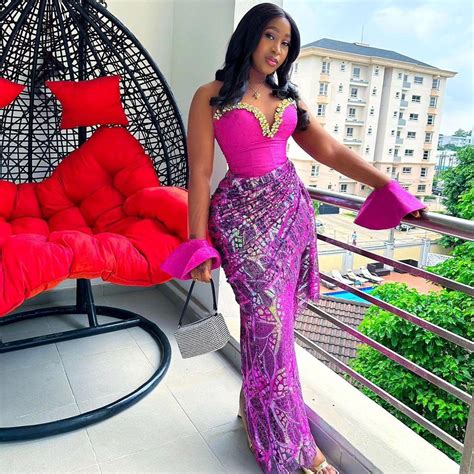
Aso Ebi dresses are a popular and culturally significant style of clothing in Nigeria and other West African countries. The term "Aso Ebi" translates to "cloth of the family" in Yoruba, and it refers to a coordinated attire that is typically worn by family members, friends, and well-wishers to show solidarity and support during special occasions such as weddings, birthdays, and other celebrations.
Caftan Dresses
Caftan dresses are traditional long, loose-fitting dresses with V-necks and long, loose-fitting sleeves. They are often richly embroidered and worn by women in various cultures across Nigeria. The design is usually made of light and flowing fabrics like chiffon, silk, and satin. The Caftan dress has a loose-fitting structure, and the dress is worn for special occasions like weddings and cultural events.
The Caftan dress is often worn with a head wrap called a hijab or scarf, and women pair it with sandals or flat slippers. The dress is worn by women of all ages and sizes because of its comfort. The dress is usually worn by women in the north of Nigeria. The design has changed, and modern caftan dresses come in various styles, fabrics, and colors. Some of the popular fabrics used to make caftan dresses are lace, silk, cotton, and velvet.
Read also: Experience Fad's Fine African Cuisine
Buba and Sokoto
The Buba and sokoto is the top and trousers worn by women in the northern part of Nigeria, mostly the Hausa and Fulani ethnic groups. The Buba is a loose-fitting top with short or long sleeves, and the sokoto are high-waisted, loose-fitting pants. The top and trousers are usually made from colorful, patterned fabrics like lace, ankara, and cotton.
The Buba and sokoto is worn for work, school, and other daily activities. Women usually wear the dress with a headscarf called a gela or hijab, and they pair it with sandals or closed shoes. The dress is preferred by women who want a modest dress style. The design has changed, and modern buba and sokoto come in various colors and patterns. They are made from various fabrics, including silk, satin, and velvet. The dress is usually worn by women in the north of Nigeria.
Other Garments
- Jumpsuit: A one-piece garment that combines a top and trousers into a single piece of clothing.
- Trousers: Separate leg-wear garments that cover the lower body from the waist to the ankles.
- Skirts and blouses: A common and versatile combination of women's clothing.
- Hijabs and headwraps: Garments worn on the head, primarily by Muslim women and women of African descent, respectively.
Latest Short Gown Styles: African /Nigerian Outfits for Occasions and Weddings
Styling Tips for Nigerian Dresses
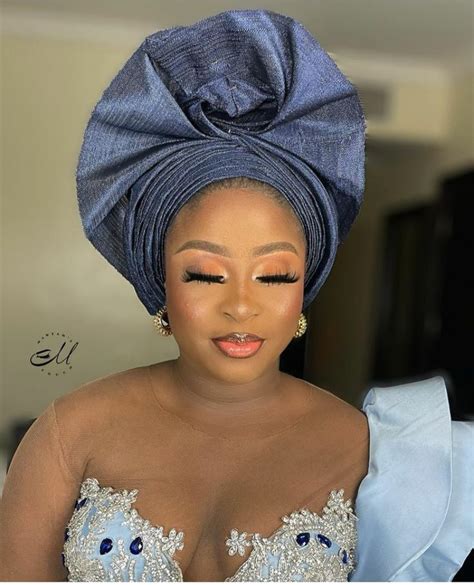
Nigerian women’s dresses are worn in different ways depending on the occasion. Traditional dresses such as the Aso Oke, Buba, and Iro are usually worn during cultural and formal events. These dresses are often accompanied by elaborate head ties known as Gele, beaded jewelry, and matching accessories.
For everyday wear, Nigerian women may opt for fitted dresses that are comfortable and easy to move in. Western-style dresses are usually paired with sandals or low-heeled shoes and simple jewelry for a casual look.
Wearing Nigerian dresses involves paying attention to the fit and style that best flatters one’s body type. For instance, hourglass figures may opt for fitted dresses that accentuate their curves, while apple-shaped bodies may prefer A-line dresses that provide a balanced silhouette. Layering with cardigans or jackets can add a modern twist to traditional dresses. Mixing and matching different patterns and textures is also a popular styling technique among Nigerian women, showcasing their fashion versatility.
Read also: Philadelphia Food Truck
Matching a Nigerian dress with the right accessories and footwear is key to completing the look. Head ties such as Gele or Asooke add a touch of elegance and cultural significance to traditional dresses. Beaded jewelry, including necklaces, bracelets, and earrings, can enhance the outfit’s overall aesthetic. For a modern look, pairing a fitted dress with a statement necklace or large earrings can create a chic, contemporary style. Shoes play a crucial role in complementing a dress; strappy sandals or low-heeled pumps work well with most dresses.
When matching a dress for a special occasion, consider the color scheme and theme of the event. Coordinating the dress with matching bags and shoes can create a cohesive look. Clutch bags and evening purses with embellishments are perfect for formal events, while crossbody bags and totes are suitable for casual outings. Belts, scarves, and jackets can be added to alter the appearance for various occasions. For instance, a tailored blazer over a traditional dress can create a polished and sophisticated look appropriate for business events.
Historical Context and Evolution
Before independence, when Nigeria was still a colony of Britain, indigenous fashion traditions such as adire indigo dyeing came to be viewed negatively. In there place Western garments became signs of power and elitism.
Fashion in the 1960s was characterized by women dressing in both fitted and oversized attires as well as mini skirts and dresses with simple local hairstyles and Afros. While the men wore bright-coloured shirts in different patterns and marched with tight skinny pants. The 1980s had women wearing maxi skirts and men oversized suits with huge permed hair. The fashion trend started to experience a significant change in the 1990s with the influence of America with miniskirts, scousers and native boubous for women. Men also had a difference in the trouser fashion with narrower hems and loosely fitted around the hip and waist region.
Key Figures in Nigerian Fashion
Shade Thomas (later Thomas-Fahm) became Nigeria's first widely recognized fashion designer. After studying fashion design in England in the 1950s, prior to Nigerian independence, she set up a shop at the Federal Palace Hotel in Lagos and a garment factory at the Yaba Industrial Estate.
Lisa Folawiyo uses traditional West African fabrics to produce modern tailored designs. She launched her label, Jewel by Lisa, in 2005. She also produces custom luxury prints and accessories, such as jewelry and purses.
Omotoso Oluwabukunmi runs TWIF Clothing; the name is an acronym of The Way It Fits.
