People find love in many ways and through diverse mediums. Unfortunately, online romance fraud has become a global phenomenon, and platforms like Facebook are often exploited by scammers. This article delves into the world of Nigerian romance scams, drawing on research focused on offenders in West Africa.
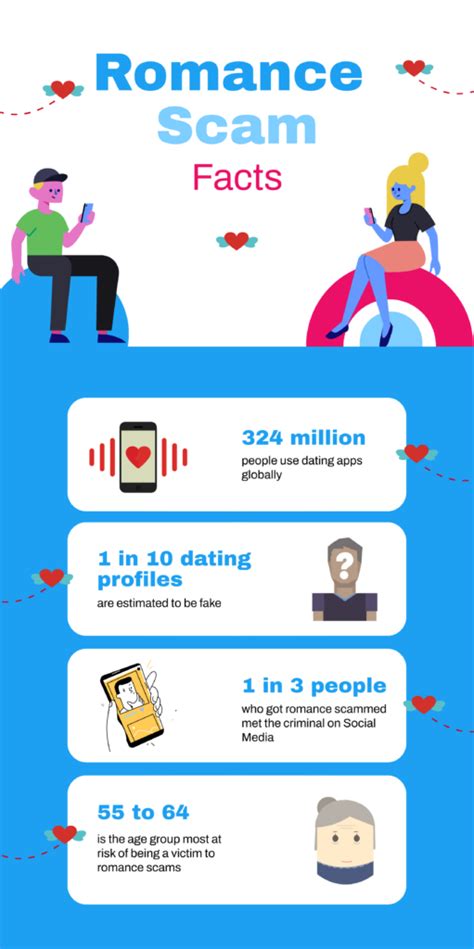
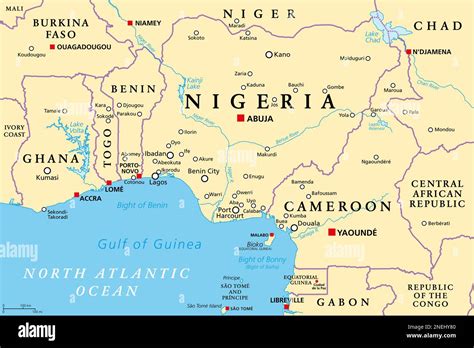
According to the Federal Bureau of Investigation in the US, romance scams accounted for losses to about 24,000 Americans, exceeding US$1 billion, in 2022. The “Yahoo Boys” operating in Nigeria and “Sakawa Boys” in Ghana have a reputation for engaging in various fraudulent schemes, including online romance scams. On the African continent, Nigeria and Ghana have emerged as hubs for internet fraud.
Researching the Scammers
Over the past decade, cybercrime and criminology have been researched, focusing on west African online fraudsters. Coverage of romance scams often centres on victim narratives or sensational headlines, leaving offender-focused research largely unexplored. In a recent paper, the cases of 50 people convicted of online romance in Nigeria were studied. A separate research study involved interviews with active offenders in Ghana. Rather than relying solely on fragmented media accounts, the two research papers offer a robust, evidence-based understanding of the cultural, economic and historical factors driving cybercriminal behaviour. This article uses “scam” and “fraud”, as well as “scammers” and “fraudsters”, interchangeably.
The media, financial institutions, and the public typically use “scams” and “scammers”. Academics often prefer “fraud” and “fraudsters” to emphasise the seriousness of these crimes, as noted in my research. The decision to focus on Nigeria and Ghana was based on findings in research done earlier.
Targeting Western Societies
My findings from both papers show that romance fraud offenders frequently present themselves as white and primarily target western societies. For example, a paper was co-authored that reviewed 21 years of empirical studies (2000-2021) in which it was found that many west African scammers predominantly targeted individuals in the west. Similarly, the Nigeria case file study found that over half of the romance scam victims (56%) were in the US.
Read also: Atlanta Nigerian Passport Services
My interviews with offenders in Ghana further showed that romance scammers viewed their actions as “legitimate retribution for colonial injustice”. In framing fraud as a way to reclaim wealth they believed was unjustly taken during colonial rule, many saw their actions as a civic duty.
Offender Profiles and Strategies
The analysis of the case files of the 50 convicted romance scammers showed patterns in offender profiles and strategies. Most were young - 81.7% were under 26. Nearly 60% preferred Apple’s iPhone for their fraudulent schemes. When it came to occupation, 74% were university students. Offenders carefully constructed their online personas.
Nearly half (46%) posed as white American males, 12% as military personnel, and 10% as white European males. The victims they chose were mostly women: 70% of offenders primarily targeted females, 14% targeted males, 10% targeted both genders and 6% did not specify the victim’s gender.
Motivations Beyond Money
Some of the Ghanaian scammers said they saw their crimes as acts of service to a greater cause. This included loyalty to their communities or the pursuit of economic justice. They portrayed their scams as efforts to reclaim wealth from nations historically exploiting their regions.
For example, one scammer might send a message like this:
Read also: Experience Fad's Fine African Cuisine
“...dollars and the former owner of the account is Mr. XXX XXXX is a foreigner too. I know that this message will come to you as a surprise as we don't know ourselves before. Send also your private telephone and fax number including the full details of the account to be used for the deposit. I want us to meet face to face or sign a binding agreement to bind us together so that you can receive this money into a foreign account or any account of your choice where the fund will be safe."
Top 3 ways to avoid romance scams on Facebook
Key Statistics on Nigerian Romance Scams
The following table summarizes some key findings from the research:
| Characteristic | Percentage |
|---|---|
| Offenders under 26 | 81.7% |
| Offenders preferring iPhones | 59.1% |
| Offenders who are university students | 74% |
| Offenders posing as white American males | 46% |
| Victims primarily targeted as females | 70% |
| Victims in the US | 56% |
Read also: Philadelphia Food Truck
