If you're reading this, you're likely considering the exciting possibility of moving to Egypt. Whether you're seeking an escape from the mundane, a new career opportunity, or simply an incredible experience, this expat guide is your go-to resource for making that leap to that country. In this article, we'll dive into all the essential aspects of relocating to Egypt, from visas and accommodation to cultural etiquette and local cuisine. Also, if you're interested in making a property investment in Egypt, please note that you can get our pack of documents related to the real estate market in Egypt. This pack will also give you unlimited access to our team of experts, allowing you to ask them anything related to Egypt.
Why Egypt?
People move to Egypt for a variety of reasons, each unique and influenced by personal, professional, and cultural factors. Egypt is in the continent of Africa with the highest population in the Arab world. It is recognized as one of Africa’s leading economies. It is termed as ‘The Gift of Nile’ by the Greek historian Herodotus. Most of the Egyptian cities, including the capital Cario, are located on the banks of the Nile. It would be fascinating to settle at one of the oldest civilizations.
The Allure of Ancient History
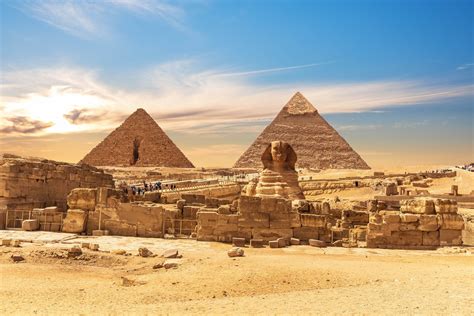
Firstly, the country's historical and cultural significance is a major draw. Home to ancient civilizations, Egypt offers a living history seen in its monuments, museums, and archaeological sites. This aspect particularly appeals to historians, archaeologists, and those passionate about ancient history and culture. Seeing the antiquities in person, up close, that I had read about while I was a kid was absolutely fantastic and quite moving.
Affordable Living
The cost of living is another reason people find Egypt attractive. Compared to its neighbors, Egypt generally offers a more affordable lifestyle. This is especially beneficial for retirees, expatriates, or digital nomads looking for a place where their savings or earnings go further. In fact, according to Expatistan, transitioning to this part of the world is 69% cheaper than staying in the USA.
Pleasant Climate
The climate in Egypt is also a significant factor. With its warm, sunny weather most of the year, it's appealing to those from colder regions. The picturesque landscapes, from the Mediterranean coast to the Sahara Desert, provide diverse living environments to suit different preferences. Egypt experiences arid desert climate. Summers are unbearably hot with the temperature of 30 degree Celsius which sometimes soars to 50 degree Celsius. Winters are mild with the temperature falling to 14 degree Celsius. Cairo, the capital of the country experiences the hottest summers with the temperature of around 35-degree Celsius.
Read also: Your Expat Guide to Egypt
Business and Employment Opportunities
Moreover, Egypt's strategic location as a bridge between Africa and the Middle East offers unique business and employment opportunities. Professionals in sectors like tourism, education, and international business often move here to take advantage of these opportunities. There’s a number of promising jobs in Egypt for American citizens, both national and international. You can advance your career in The Two Lands if you work in fields of technology, medicine, agriculture, and architecture.
Challenges to Consider
However, moving to Egypt isn't without its challenges.
Language Barrier
The language barrier can be a significant hurdle for those who don't speak Arabic. Learning Arabic will be helpful in your everyday life. To avoid relocation stress, particularly when there’s still coronavirus spreading around, make sure you have all documents needed to travel abroad, not complicate things more than they already are. don’t be shy to break the language barrier and figure out some good tips for learning a new language.
Cultural Adaptation
Adapting to local customs and social norms requires patience and understanding, especially for those from vastly different cultural backgrounds. Also, housing prices are just a bit higher for foreigners than they are for the locals. Strange as it may sound, the same goes for groceries at the marketplace and local stores - their price will never be the same (nor low, either!) if you’re bad in a bargaining game.
Standard of Living
Additionally, while the cost of living is lower, the standard of living may not match up to what some expatriates are accustomed to in their home countries. Issues like traffic congestion in cities like Cairo, or limited healthcare facilities in more remote areas, can be challenging. As compared to western countries, public healthcare standards are lower in Egypt.
Read also: Compare Moving Companies in SA
Education for Children
For families, finding suitable education for children can be a concern, especially if seeking international schooling, which can be expensive. When moving internationally with kids, it’s natural that you’d like one of the best countries to live in, so you can have more choice when it comes to their education, too. With 8,000 private and dozens of international schools, you have nothing to worry about.
Political Landscape
Also, the political landscape in Egypt has been tumultuous in the past. While it has stabilized significantly, it's still a factor that people consider when moving to the country. It is declared as the Arab Republic with a democratic system. The President is appointed for a four-year term which is renewable once. The President’s decisions needs the approval of the Parliament. The Parliament can challenge president’s decision with a two-third majority of votes.
Visas and Immigration
When moving to Egypt as an expat, understanding the visa system is crucial, as each types of visa offered in Egypt is tailored to different purposes and durations of stay. When moving across the world, the visa application process is the first thing you should care about because bureaucracy takes time. So, can you move to Egypt?
Types of Visas
The tourist visa is the most common and easiest to obtain. It's suitable for short visits, but not for long-term residence. If you're planning to work or live in Egypt for an extended period, you'll need to apply for a different type of visa.
How to Apply for an Egypt eVisa Online – Step-by-Step Guide (2024)
Work visas are essential for expatriates employed in Egypt. Obtaining a work visa typically involves sponsorship from an Egyptian employer. The process can be lengthy and requires various documents, including a valid job contract, a passport, and sometimes educational or professional certificates. You must get work permits through your employer.
Read also: Comprehensive Guide: Ethiopia
For those looking to retire or live in Egypt without working, the country offers a retirement visa. This type of visa requires proof of sufficient income or savings to support yourself without taking up employment in Egypt.
- Tourist Visa: Valid for short visits.
- Work Visa: Requires sponsorship from an Egyptian employer.
- Retirement Visa: Requires proof of sufficient income or savings.
Visa Application Process
Comparatively, getting a visa in Egypt can be easier or more challenging depending on your home country and the type of visa you're applying for. Work visas, for instance, may involve more bureaucracy and time than a tourist visa.
Regarding legal issues such as visa renewals, it's important to be proactive. Visa regulations can change, and it's vital to stay informed about your visa's expiration date and renewal requirements. Overstaying a visa in Egypt can lead to fines or other legal complications.
Residence Permit
For long-term stay, expats can apply for a residence permit. This usually requires a valid reason, such as employment, study, or family reunification. The process involves submitting various documents to the Egyptian authorities, including a valid passport, proof of income or employment, and sometimes a health certificate.
If you encounter legal issues related to visas, residency, or other matters, there are several avenues for obtaining legal advice. Many expatriates seek assistance from their home country's embassy or consulate in Egypt. These diplomatic missions can provide valuable information and guidance on legal procedures. Additionally, there are legal firms in Egypt that specialize in immigration and expatriate law. Online expatriate forums and communities can also be a resource.
Renting or Buying Property
Acquiring property in a different country is a complex task. If you consider buying a property in Egypt, we have prepared everything you need in our property pack for Egypt. In Egypt, the options for housing are as diverse as the country itself, catering to a wide range of preferences and budgets.
Housing Options
In major cities like Cairo and Alexandria, you'll find a mix of modern apartments, traditional villas, and, in some areas, more luxurious compounds that often come with additional amenities like security, swimming pools, and gyms. These compounds are particularly popular among expats for their added comfort and community feel.
On the other hand, smaller cities and towns offer more traditional housing. These options can be more affordable but might lack some of the amenities found in larger urban areas.
The Red Sea coast and areas like Sharm El Sheikh, known for their resorts, offer more holiday-style living options, which are great for those looking for a more relaxed lifestyle.
Rental Prices
Rental prices in Egypt vary significantly depending on several factors. Location is key and properties in central, urban areas or in expat-heavy neighborhoods tend to be more expensive. Cairo, being the capital and largest city, generally has higher rental costs compared to smaller cities or rural areas. Touristic areas, especially along the coast, can also have higher rental prices due to their desirable locations and amenities.
The type and condition of the property also influence rental costs. Newer and well-maintained properties with modern amenities will command higher prices. The size of the property, the number of bedrooms and bathrooms, and the presence of a garden or balcony can also affect the price. For example, monthly rent for a three-bedroom apartment can range anywhere from $220 to $370, depending on the area.
Buying Property
For expats looking to buy property in Egypt, the good news is that foreigners are allowed to buy and own property. However, there are some limitations and requirements to be aware of. Foreigners can own a maximum of two pieces of real estate, which cannot exceed 4,000 square meters in total, and they must be used for residential purposes only. Furthermore, after purchasing a property, foreigners are required to hold onto it for at least five years before they are allowed to sell it. This is an important consideration for those who might not be planning a long-term stay in Egypt.
For the actual purchase process, it's similar to many other countries. It involves finding a property, negotiating the price, and then going through legal procedures to transfer ownership. It's highly recommended to work with a reputable real estate agent and a lawyer to navigate this process, ensuring all legal requirements are met and to help avoid any potential pitfalls.
Retirement in Egypt
Retiring in Egypt is a choice made by a growing number of people from around the world, drawn by specific factors unique to the country. The typical profile of a retiree in Egypt often includes those seeking a warmer climate, a lower cost of living, and a desire for a lifestyle rich in culture and history.
Cost of Living
One of the primary reasons people choose to retire in Egypt is the cost of living. Compared to many Western countries, the cost of living in Egypt is relatively low. This means that pensions and savings often go further, allowing retirees to enjoy a more comfortable lifestyle. This is particularly appealing to those from countries where the cost of living is high, and retirement savings might not stretch as far.
Climate and Culture
The climate in Egypt is another significant draw. The country enjoys a warm, mostly dry climate year-round, which is appealing to those from colder regions. The sunny weather is not only pleasant but can also be beneficial for health reasons, such as alleviating certain chronic conditions. Culturally, Egypt is rich with history and offers a lifestyle that is both modern and steeped in tradition. From the ancient pyramids and the bustling markets of Cairo to the serene beaches of the Red Sea, the country offers a diverse range of activities and experiences. This cultural richness is a significant draw for retirees who are interested in history, archaeology, or simply wish to immerse themselves in a new culture during their retirement years.
Popular Areas
There are areas in Egypt that are particularly popular among expat retirees. These include coastal areas like Hurghada and Sharm El Sheikh, known for their resort-like atmosphere, as well as cities like Alexandria and Cairo, which offer more urban experiences. Some retirees also choose to live in more rural or traditional areas for a truly immersive experience.
Challenges
However, retiring in Egypt does come with its challenges. The language barrier can be significant for those who do not speak Arabic, although in tourist and expat areas, English and other languages are more commonly spoken. Adapting to the local culture and customs requires flexibility and openness to new experiences. Healthcare is another consideration. While Egypt has many skilled doctors and medical facilities, especially in larger cities, the quality of healthcare can vary, and in more remote areas, access to healthcare can be limited.
Cost of Living
Living comfortably in Egypt can vary greatly depending on your lifestyle and the city you choose to reside in. A comfortable life in major cities like Cairo or Alexandria could range from around $1,000 to $1,500 USD per month. However, in more tourist-oriented areas such as Sharm El Sheikh or Hurghada, this amount might be slightly higher due to the more resort-like atmosphere and amenities.
Groceries
Groceries in Egypt are relatively affordable. For a single person, monthly grocery expenses could range from $100 to $200 USD. This cost can fluctuate based on dietary preferences and whether you shop at local markets or more expensive international supermarkets.
Dining Out
Dining out in Egypt can also be quite economical, especially if you enjoy local cuisine. A meal at an inexpensive restaurant might cost around $4 to $10 USD. However, dining at mid-range or international restaurants will increase this cost significantly.
Transportation
Transportation costs in Egypt are generally low. Monthly public transportation passes in cities might range from $15 to $30 USD. Taxis are also reasonably priced, but it's advisable to negotiate the fare before the journey or use a taxi meter to avoid being overcharged. Imagine how different it is to move to a cradle of civilization, where taxis are still the most loved form of transportation, although both bus and metro systems are well organized.
Cost-Saving Tips
For expats looking to save money, there are several cost-saving tips to consider. Firstly, embracing local markets for groceries can significantly reduce food expenses. Local markets offer fresh produce at lower prices than supermarkets. Also, using public transportation or even walking for short distances can help in saving on transportation costs.
Comparison to Western Countries
When compared to the cost of living in Western countries, Egypt is generally much more affordable. Housing, food, and transportation costs are significantly lower. However, it's important to note that imported goods and international schooling, if required, can be quite expensive.
Social and Leisure Activities
In Egypt, the range of leisure activities for expats is as diverse as the country's rich cultural tapestry and popular sports and recreational activities often reflect the unique geographical and cultural landscape of Egypt.
Historical Sites and Museums
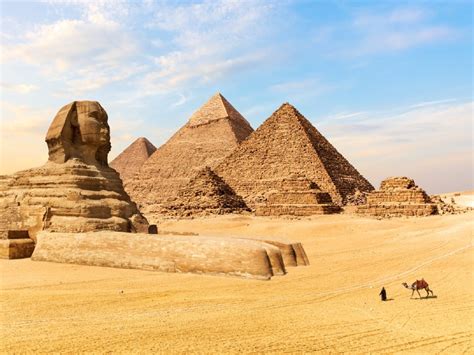
One of the most popular activities is exploring the country's ancient historical sites. Visits to iconic places like the Pyramids of Giza, the Sphinx, and the Valley of the Kings are not just for tourists. Many expats find these historical excursions enriching. Additionally, the rich museum culture, including the famous Egyptian Museum in Cairo, offers a deep dive into the country's history.
Water Sports
Given Egypt's extensive coastline and the Red Sea, water sports are extremely popular, especially among expats. Activities like scuba diving, snorkeling, and sailing are widely enjoyed in coastal towns like Sharm El Sheikh and Hurghada. The Red Sea is known for its vibrant coral reefs and marine life, making it a world-renowned diving destination.
Desert Safaris
Another popular activity is desert safaris. Expats often enjoy exploring the vast desert landscapes through jeep tours, camel rides, or quad biking. The desert's beauty, especially at sunrise or sunset, offers a unique experience that's quintessentially Egyptian.
Sports and Socializing
Regarding sports, football (soccer) is hugely popular in Egypt, as it is in many parts of the world. Expats often join in on the excitement, either by playing in local leagues or by watching local matches, which are a significant part of the social fabric. For socializing, there are numerous expat communities and clubs, especially in larger cities like Cairo and Alexandria. These groups often organize social events, cultural outings, and language exchange programs, providing a great opportunity for expats to meet and connect with both fellow expats and locals.
Nightlife
Nightlife in major Egyptian cities can be vibrant and diverse. In cities like Cairo and Alexandria, there are various options ranging from traditional cafes and bars to more modern nightclubs and lounges. The nightlife scene often includes live music, ranging from traditional Egyptian music to international genres. When it comes to partying and socializing, local Egyptians are generally warm and welcoming.
Food and Cuisine
Exploring the local cuisine is a significant part of the expat experience in Egypt, where the food is as rich in flavor as the culture is in history.
Must-Try Dishes
A must-try for anyone in Egypt is the national dish, Koshari. It's a unique and hearty combination of rice, lentils, pasta, chickpeas, and a spicy tomato sauce, topped with fried onions and garlic vinegar. It's a popular street food and a staple in Egyptian cuisine.
Another popular dish is Ful Medames, made from fava beans cooked with oil and lemon juice. It's often eaten for breakfast and is a hearty and flavorful way to start the day.
Ta'ameya, the Egyptian version of falafel, is another must-try. Made from ground fava beans instead of chickpeas, it's a popular street food and is often served in sandwiches with tahini sauce and vegetables.
Molokhia is a traditional Egyptian soup made from jute leaves. It has a unique, slightly bitter taste and is often served with rice and chicken or rabbit.
Dining Etiquette
When dining in Egypt, there are a few cultural norms to be aware of. It's common to eat with your right hand, as the left hand is considered unclean. Also, it's polite to leave a small amount of food on your plate to indicate that you are satisfied.
Popular articles:
tags: #Egypt
