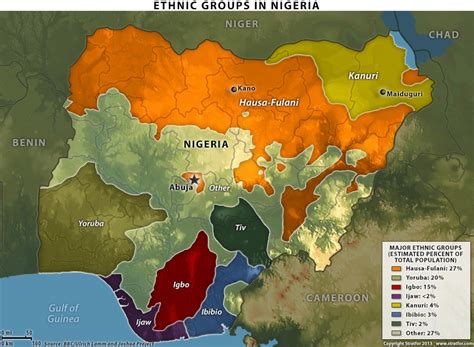
Nigerian last names are more than just identifiers; they are a rich tapestry woven with history, culture, and deep-rooted traditions. Since Nigeria is one of the most populated countries in Africa, it makes sense that there are so many names, languages, and customs. Nigeria has over 250 ethnic groups and over 500 languages spoken there. The most common groups are Igbo, Yoruba, and Hausa.
Exploring Nigerian last names has been a journey through culture, history, and personal identity. Let's delve into the unique meanings, origins, and cultural significance of these names.
Origins and Diversity of Nigerian Surnames
Before colonization, surnames didn’t exist in Nigeria. After the colonization, Nigerians adopted some of their given names as last names. It’s also important to note that the two main religions that are practiced are Islam and Christianity. African surnames can be found all over the globe, especially in the Americas and Europe. Surnames in Nigeria come from a couple of different sources. These include occupation, clan, place of origin, and even a person’s physical appearance. Many family names also come from religion as well, and they use it as a way to connect people.
Nigerian naming customs are particularly special due to the incredible diversity across different ethnic groups. Yoruba names often praise God or speak of family circumstances. The Igbo people’s naming traditions often use names that reflect their hopes and circumstances.
Historically, Yoruba names were given based on various factors such as family lineage, significant events, and religious beliefs. These names not only identified individuals but also conveyed a message or story.
Read also: Africa's Most Developed Cities Analyzed
Yoruba surnames are typically categorized into three main types-patronymic, descriptive, and honorific. Patronymic surnames are derived from the father's name, while descriptive surnames provide insight into circumstances of birth or characteristics of the individual. One common practice is the use of "Olu" and "Oni," which mean "God" and "owner/lord" respectively. These prefixes are often attached to names to denote reverence or ownership.
Common Nigerian Surnames and Their Meanings
In Yoruba culture, some surnames are more ubiquitous than others. Here are some examples:
- Adebayo - Meaning "the crown meets joy." This surname indicates a family joyful event coinciding with the birth of a child.
- Adebola - Meaning "the crown meets wealth." This name suggests prosperity within a royal lineage.
- Adefolake - Meaning "the crown pampers with wealth." It implies a privileged upbringing.
- Adekunle - Meaning "the crown fills the house." This signifies that the family heritage has brought prosperity.
- Adelola - Meaning "the crown brings honor." It shows respect and pride in one's royal lineage.
- Ayotunde - Meaning "joy has returned." Often given to a child born after a period of sorrow.
- Babajide - Meaning "father has returned." This name is often given to honor an ancestor.
- Bamidele - Meaning "follow me home." It signifies a return to the family's roots.
- Folasade - Meaning "honor confers a crown." This name implies that respect and honor lead to greatness.
- Ifeoluwa - Meaning "God's love." A name that reflects divine affection and protection.
- Oluwatoyin - Meaning "God is worthy to be praised." This surname shows gratitude and reverence.
Other common Nigerian surnames include:
- Adeoye - This is one of the most common Nigerian surnames.
- Bassey - This African surname is mostly found in Nigeria.
- Bello - This Nigerian last name is of Latin and Spanish origin.
- Bolaji - This name is both a Yoruba given name and surname.
- Chukwu - This surname originates from the Igbo language.
- Eze - This is a common surname in Eastern Nigeria.
- Mohammed - This surname means “praiseworthy” in Arabic.
- Oni - This name is of Hebrew origin.
Notable Individuals and Their Surnames
Yoruba is home to many notable individuals whose surnames carry significant meanings:
- Awolowo - Meaning "the oracle has dignity." This surname was made famous by Obafemi Awolowo, a prominent Nigerian nationalist and statesman.
- Balogun - Meaning "warlord." Popularized by Folarin Falana, also known as Falz the Bahd Guy, a Nigerian musician and actor.
- Fani-Kayode - Meaning "the warrior has returned." Known through Femi Fani-Kayode, a notable Nigerian politician and lawyer.
- Soyinka - Meaning "surrounded by wizards." Made famous by Wole Soyinka, a Nobel Prize-winning playwright and poet.
- Tinubu - Meaning "the man who has plenty." Associated with Bola Tinubu, former Governor of Lagos State and influential political figure.
Here's a table summarizing some of these surnames and their meanings:
Read also: Exploring Africa's Linguistic Diversity
| Surname | Meaning | Notable Individual |
|---|---|---|
| Awolowo | The oracle has dignity | Obafemi Awolowo |
| Balogun | Warlord | Folarin Falana (Falz the Bahd Guy) |
| Soyinka | Surrounded by wizards | Wole Soyinka |
| Tinubu | The man who has plenty | Bola Tinubu |
| Chukwu | God | Andy Chukwu |
My Binary Identity, My Nigerian Last Name, Colonized? #nigeria
The Significance of Religion
Religion weaves through Nigerian surnames like golden threads in a tapestry. Traditional beliefs still influence naming patterns today. Even in modern Nigeria, families choose names that honor both their religious faith and cultural heritage.
One of the most common Nigerian surname is Chukwu, which means "God" in the Igbo language. It reflects the deep spiritual beliefs in the country and is widely recognized across Nigeria, resonating with various ethnic groups and their unique cultural identities.
Modern Adaptations and Global Connections
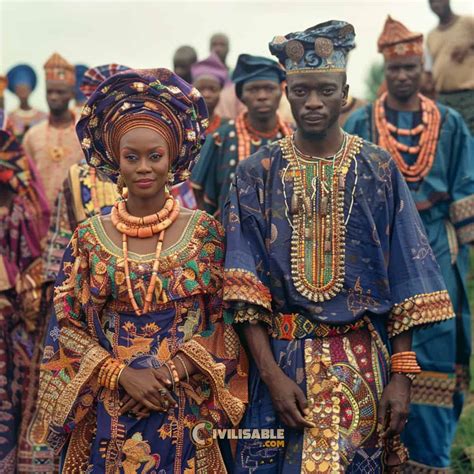
The beauty of Nigerian surnames today is how they adapt and evolve while keeping their roots strong. Some families choose simplified spellings, while others proudly maintain traditional forms. These names create instant connections. When Nigerians meet abroad, their surnames often become bridges, helping them recognize shared heritage and cultural bonds.
Yoruba surnames offer a rich tapestry of cultural significance, connecting modern-day individuals with their ancestors' achievements, virtues, and stories.
Read also: African Beauty Standards
