In Ethiopia, Christmas is called ‘Gena’ and it means ‘a day of glory’. Ethiopia (and especially the Ethiopian Orthodox Tewahedo Church) celebrates Christmas on January 7th, not December 25th. Many other orthodox churches around the world also celebrate Christmas on the 7th January.
The Christmas celebration in the Ethiopian Orthodox Church is called Ganna or Genna. According to the Ethiopian calendar, Gena falls on the 29th day of the month of “Tahesass.” In the Gregorian calendar, which is followed in the United States, Gena falls on January 7.
The Ethiopian Calendar has different months - and Christmas in on the 29th of Tahsas. This month is called Tahesass to remember the act of the three kings who made the long search of finding the birthplace of the Lord and brought him gifts of gold, frankincense, and myrrh.
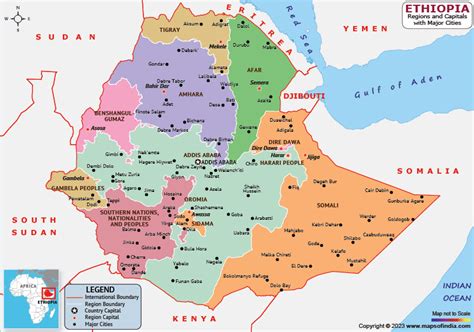
Location of Ethiopia
Religious and Cultural Significance
Gena in Ethiopia is celebrated both religiously and culturally. Many people take part in a special Advent fast during the 43 days before Christmas. It starts on 25th November and is known as the 'Fast of the Prophets' (Tsome Nebiyat). During this time, traditionally only one vegan meal is eaten each day.
Read also: Cultural Diversity at Christmas
For Ganna, people get dressed in white. Most people wear a traditional garment called a Netela. It's a thin white cotton piece of cloth with brightly colored stripes across the ends. It's worn like a shawl or toga. If you live in a big town or city you might wear 'western' clothes.
Everyone who goes to church for the Ganna celebrations is given a candle. The people walk around the church three times in a solemn procession, holding the candles. They then go to the second circle to stand during the service. The choir sings from the outer circle. The men and boys are separated from the women and girls.
The Gena Game
Around the time of Ganna, the men and boys play a game that is also called ganna. The Gena game has a lot of resemblance with the rugby game we see on the television and it is a game only men participate with no age discrimination. These days, the game has become a game for men of all walks of lives. But in the old days, it used to be the kings, the princes, and all the high-ranking members of a community that used to come down to the fields to play with ordinary community members.
There is always so much fun during the game and the high ranking members won’t consider it disrespectful as they get kicked by the ordinary members. It is the same today, and the young pushing the old will not be considered disrespectful. On the game field, everyone stands equal and just focus on having fun.
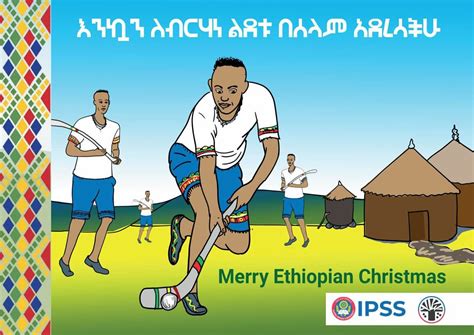
Gena Game in Ethiopia
Read also: African American Christmas: A Cultural Celebration
Ethiopian Christmas Traditions
Traditional Foods
Traditional Christmas foods in Ethiopia include 'wat' which is a thick and spicy stew that contains meat, vegetables and sometimes eggs (sounds yummy!). Wat is eaten on a plate of 'injera' - a flat bread.
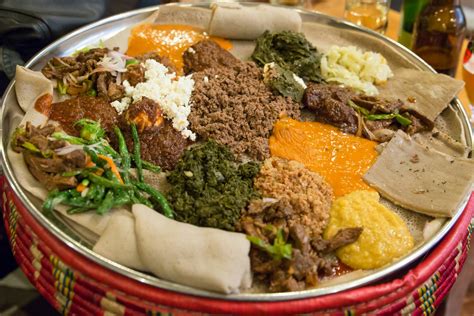
Traditional Ethiopian Christmas Food - Wat and Injera
Timkat Celebration
Twelve days after Ganna, on 19th January, Ethiopians start the three day celebration of Timkat. It celebrates the baptism of Jesus. Children walk to church services in a procession. They wear the crowns and robes of the church youth groups that they belong to. Adults wear the Netela. Musical instruments are played during the Timkat procession. The sistrum is a percussion instrument with tinkling metal disks a bit like a vertical tambourine. Ethiopian men also play a sport called yeferas guks.
Gifts and Greetings
People don't give and receive present during Ganna and Timkat. Sometimes children might be given a small gift of some clothes from their family members. Santa Claus is a fairly recent visitor to Ethiopia, only being known about through 'western' Christmas traditions.
There are many languages spoken in Ethiopia. Merry Christmas in Amharic is 'Melikam Gena!' (መልካም ገና!), in Oromo it's 'ayyaana dhalootaa kiristoos gaarii hata'u', in Somali it's 'Kirismas Wacan' and in Tigrinya it's 'Ruhus Beal Lidet' (ርሑስ በዓል ልደት).
Read also: Merry Christmas in Africa
Ethiopian Homes and Churches
The Ethiopian capital city is Addis Ababa. It's a modern city. Most people who live outside big cities live in round house made of mud-plastered walls which have thatched cone-shaped roofs. The design of Ethiopian Church is similar to the houses. In the country, they are often very old and have been carved out of rock.
Here's a table summarizing key aspects of Ethiopian Christmas:
| Aspect | Description |
|---|---|
| Name | Gena (ገና) |
| Date | January 7th (29th of Tahsas in Ethiopian Calendar) |
| Greeting (Amharic) | Melikam Gena! (መልካም ገና!) |
| Pre-Celebration Fast | 'Fast of the Prophets' (Tsome Nebiyat) - 43 days before Gena |
| Traditional Clothing | Netela (ነጠላ) - thin white cotton cloth |
| Traditional Food | Wat (w’eti) - stew eaten with Injera (flatbread) |
| Post-Celebration | Timkat - Celebrates the baptism of Jesus, 12 days after Ganna |