African men’s clothing styles are attire made from African fabrics like Kente, Ankara, and others and are inspired by African culture and traditions. This article will delve into the rich tapestry of male African attire designs, exploring various styles, fabrics, and the cultural significance behind each garment.
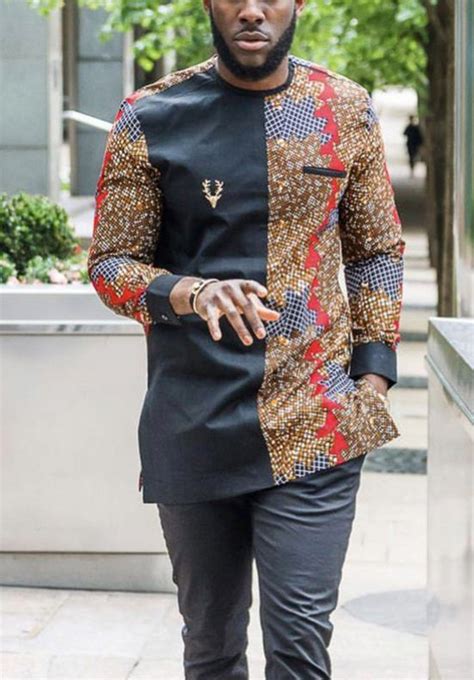
Traditional African Attire for Men
The design of traditional African clothing for men varies from region to region and is characterized by unique cultural symbols, styles, and textiles. Here are some popular examples:
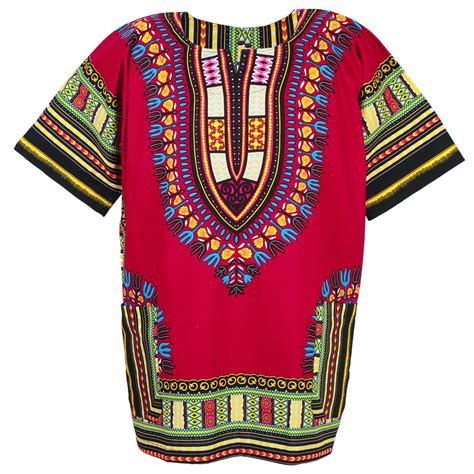
Dashiki
The African traditional attire for men known as a dashiki is a loose-fitting shirt with an embroidered neckline, worn by men and women. It is mostly worn by West Africans and is accompanied by a headwrap known as a kufi. The dashiki is worn by men for different occasions, including weddings, cultural events, and everyday wear. The dashiki comes in different lengths, with longer styles reaching the knees and shorter ones reaching the waist.
Boubou (Grand Boubou)
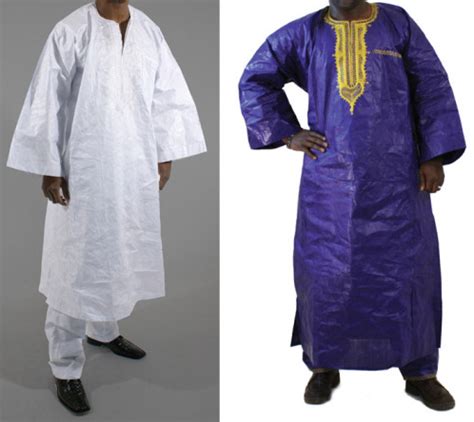
The boubou or the grand boubou is a flowing, loose-fitting robe worn in West African countries, especially Mali, Senegal, and Guinea. It is worn by both men and women but differs in style and design. The men’s boubou is worn over pants, while the women’s boubou is worn over a dress. The design is simple, and the neckline is usually V-shaped. The boubou is highly respected and worn for formal events such as weddings and naming ceremonies.
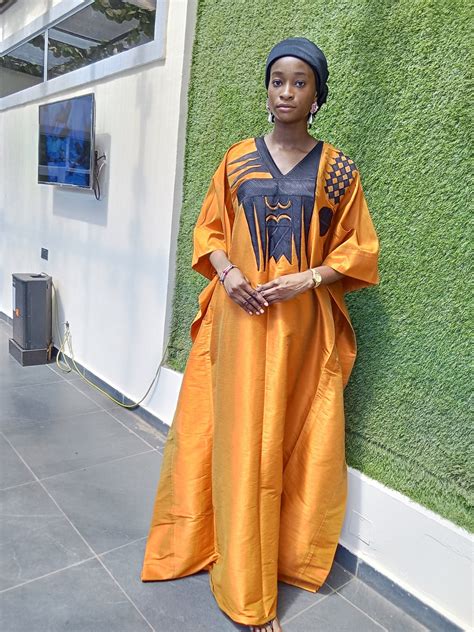
"2024 Boubou Styles for Odogwu Men"// 2024 Boubou Designs for Rich Men #tjfashion
Agbada
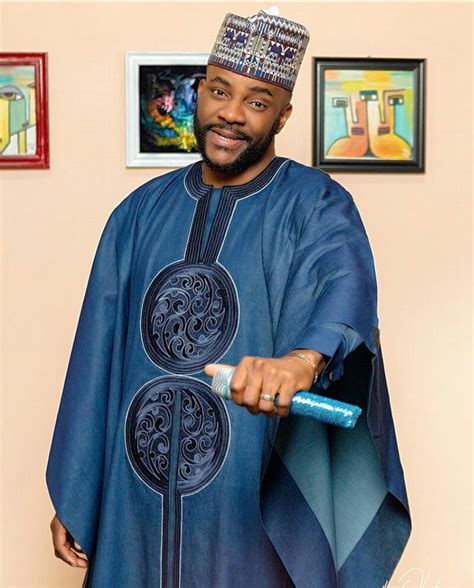
The agbada is a large, flowing robe worn by men of the Yoruba ethnic group in Nigeria and other countries. It is usually worn over a pair of pants and a shirt and is often associated with royalty and wealth. The agbada is highly detailed and has intricate embroidery and patterns. It is worn for formal occasions like weddings, religious events, and other celebrations. The agbada is made from different fabrics like cotton, silk, and synthetic blends. It is large and flows over the body, with wide sleeves.
Read also: Men's Moroccan Fashion
Kente Cloth
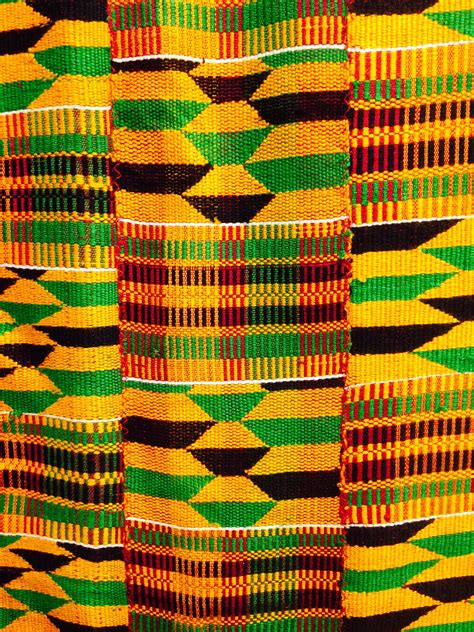
African Kente cloth is a handwoven, multicolored fabric of the Akan people of Ghana. Different colors and patterns have specific meanings, and Kente cloth is traditionally worn for special occasions like weddings and graduations. Kente cloth is handwoven on a loom and is usually made from cotton and silk. The colors in Kente cloth represent different things. For instance, yellow represents wealth and gold, and blue represents peace and harmony.
Senegalese Kaftan
One of the popular African traditional clothing for men is the Senegalese kaftan, a long tunic worn with pants. It is made from cotton and is worn for both casual and formal occasions. The kaftan has a loose fit and is comfortable to wear in hot climates. It is often embroidered or decorated with patterns and is worn with a cap or hat. Senegalese men’s clothing styles include the kaftan, boubou, and other loose-fitting garments.
Fabrics and Textiles
African attire for men incorporates a variety of rich textiles and fabrics. Cotton is widely used due to its comfort and adaptability to the hot climate. Hand-woven fabrics like kente and aso-oke are prized for their intricate patterns and communal significance. Silk and synthetic blends are also popular, especially for formal occasions, as they drape well and have a luxurious feel.
The Role of Color and Patterns
Color plays a crucial role in African men's clothing design. Different hues can signify various cultural meanings, social status, or occasions. For instance, white often represents purity, while red can symbolize strength or mourning. Patterns, whether geometric, floral, or symbolic, are integral to the fabric's design and often reflect the wearer's heritage or community.
Accessories and Adornments
Many traditional African attires for men are embellished with accessories and adornments. Embroidery, beadwork, and appliqué enhance the visual appeal and can denote social status or achievement. Accessories such as caps, hats, and shoes are often matched with the attire; for example, the Yoruba men wear a fila (cap), while the Senegalese men don the tam-tam (hat).
Read also: Costs of African Mail Order Brides
Cultural and Symbolic Significance
Each design element in traditional African men's clothing is imbued with cultural and symbolic significance. Specific patterns, colors, and styles can denote tribal affiliation, social status, age, or marital status. For instance, certain kente patterns are reserved for kings and chiefs, while others are associated with specific proverbs or historical events.
Styling Tips for Wearing African Attire
African men’s clothing is stylish and can be worn in various ways to suit particular events. Wearing African attire involves appreciating cultural significance and personal style. When putting on attire such as the Dashiki, Kente cloth, or Boubou, one needs to ensure a proper fit and fabric comfort. Wearers should pair their outfits with appropriate accessories, such as beaded jewelry, caps, or sandals, to enhance the overall appearance and honor the cultural heritage they signify.
Matching Outfits
Matching African attire requires balancing colors, patterns, and styles. When pairing outfits, one should start by choosing complementary colors. For instance, one can pair a shirt with a solid color or a color that is less prominent in the print. Similarly, patterns that are bold should be balanced with those that are less bold. More importantly, accessories such as scarves, hats, and shoes should match the outfit as far as color and pattern are concerned. If one is wearing a Kente shirt, he can complement it with a Kente cap or a solid-colored pants.
Care and Maintenance of African Clothing
Here are some tips to care for and maintain African clothing:
- Check the washing instructions.
- Hand wash with cold water and mild soap for most cotton and fabric clothes.
- Use a gentle cycle for machine washing.
- Avoid bleach and harsh chemicals.
- Air dry to prevent shrinkage and damage.
- Iron on low heat and store in a cool, dry place.
- Care instructions: Wash separately multicolored and dark clothes in cold water. Do not bleach.
Frequently Asked Questions
Here are some frequently asked questions about African clothing for men:
Read also: Distinguishing Sulcata Tortoise Sexes
| Question | Answer |
|---|---|
| What are some stylish options for African clothing for men? | Some of them include the Dashiki, a loose-fitting shirt with a colorful, embroidered neckline; the Kente cloth, a vibrant, woven fabric used for scarves and wraps; the Boubou, a long, flowing robe worn in many West African countries; and the Agbada, a large, embroidered gown that is worn over trousers. |
| What fabrics are used to make African clothes for men? | African clothes for men are made from different fabrics. These include cotton, silk, wool, and synthetic fibers. Cotton is the most popular because it is comfortable and breathable. Silk is luxurious and is used in special occasion clothes. Wool is used in some North African styles and is warm and durable. |
| How do I care for and maintain African clothing? | To care for and maintain African clothing, check the washing instructions. Hand wash with cold water and mild soap for most cotton and fabric clothes. Use a gentle cycle for machine washing. Avoid bleach and harsh chemicals. Air dry to prevent shrinkage and damage. Iron on low heat and store in a cool, dry place. |
| What accessories can complement African clothing for men? | Yes, there are several accessories that can complement African clothing for men. Hats like the Kufi cap or the Fez add style. Footwear like sandals or leather shoes complete the look. Beaded necklaces and bracelets add color and texture. The Kente cloth scarf or wrap provides warmth and style. |
| Can African clothing for men be worn for formal occasions? | Yes, African clothing for men can be worn for formal occasions. The Agbada and Boubou are elegant robes suitable for weddings and ceremonies. The Dashiki with embroidered details is great for cultural events. Kente cloth scarves and wraps add formality. Maasai Shuka and Kikoyi garments are also appropriate for formal gatherings. |
Make a bold statement at your next event with high-quality African wear for men. Explore the world of African men's fashion with this exclusive set. Elevate your style with this authentic men's African clothing set, featuring a high-quality shirt and pants designed for the modern man who appreciates both tradition and contemporary fashion. This African men's shirt and pants combo merges traditional African fashion with modern-day style, ensuring you stand out at any event. Whether it's a formal African wedding, a festive party, or a casual gathering, this versatile outfit suits any occasion. At Splendor of Africa, we offer fast shipping with DHL express services, ensuring that your men's African clothing set arrives promptly and securely. Order now and enjoy a stylish, durable outfit made to last.
Description: African Clothing for Men.
Need a different color? YES we can! On the order checkout page, there is a section called “ORDER NOTES”, include additional requests & details such as color, size etc.
Want Top Only? Want Top & Pants Set? Want Shirt Only? Want Jacket Only?
