If you're moving to Kenya, it's important to learn about both the Pros AND Cons of living in Kenya. Whether you're drawn by the allure of safaris in the Maasai Mara, the bustling business hub of Nairobi, or the serene beaches of the Swahili Coast, Kenya offers a unique blend of urban and natural environments. Kenya is often referred to as the "jewel of East Africa," and for good reason. Its pros are as varied as its ecosystems, ranging from economic opportunities to natural beauty.
The pros of living in Nairobi, Kenya include its vibrant culture, diverse population, and excellent infrastructure. The city is home to a wide variety of restaurants, shops, and entertainment venues, making it a great place to explore and experience the local culture. Another significant advantage of living in Kenya is the opportunity to experience its incredible natural beauty firsthand. From the rolling savannahs teeming with the Big Five to the snow-capped peak of Mount Kenya, the country's landscapes are postcard-worthy. Expats in Nairobi appreciate the city's vibrant culture, which is a mix of traditional African and modern influences. They enjoy the warm hospitality of the locals, who are always willing to help out and share their culture. The city's nightlife is also a draw, with a range of bars, clubs, and restaurants to explore. Kenya's rich cultural tapestry is another draw for international residents. From the Maasai Mara to the Swahili Coast, the country offers a chance to immerse oneself in a variety of cultures and languages, providing endless inspiration and personal growth opportunities. Not to mention, the chance to travel easily to neighboring countries like Tanzania, Uganda, and Rwanda for weekend getaways or extended explorations. Nairobi's vibrant capital, is emerging as a enticing hub for digital nomads seeking a blend of adventure, culture, and modern amenities. With its bustling tech scene, affectionately dubbed "Silicon Savannah," and its unique wildlife experiences just a stone's throw away, Nairobi presents an appealing case. First and foremost, Nairobi's thriving tech ecosystem is a major draw. With numerous co-working spaces like Nairobi Garage and tech-focused communities, digital nomads will find no shortage of networking opportunities. The city's status as a regional hub also means fast internet is readily available, with speeds and prices comparable to many Western cities. Nairobi's quality of life is another allure. The city is known for its lush, green spaces, including the vast Karura Forest, perfect for weekend hikes or picnics. Additionally, Nairobi is a safari gateway. Where else can you spend your weekend on a wildlife adventure, yet be back in the office on Monday? Nairobi National Park, just outside the city, offers an accessible taste of the wild. The city's multicultural food scene is a delight, with a mix of local, African, and international cuisines.
The cons of living in Nairobi include its high cost of living, high crime rate, and poor air quality. The city is also prone to flooding during the rainy season, which can cause significant damage to property and infrastructure. The cost of certain goods and services, particularly those imported, can be high due to tariffs and taxes. Electronics, vehicles, and some consumer goods can carry a hefty price tag, which can be a shock for those accustomed to lower prices in their home countries. One of the most pressing concerns for many considering a move to Kenya is safety and security. The country has faced challenges with crime and occasional political instability. Urban areas, particularly Nairobi, have high rates of petty and violent crime. Expatriates often live in gated communities and are advised to take precautions such as avoiding certain areas at night and being vigilant about personal security. While internet connectivity is generally good, it can be inconsistent, with occasional outages that could disrupt work. Power cuts are also not uncommon, although many businesses and accommodations have backup generators. It's wise to plan for these eventualities to ensure deadlines are not compromised. Traffic congestion, especially in Nairobi, can also be a significant time drain if you need to move around the city for meetings or leisure. Infrastructure in Kenya can also pose challenges. While there have been significant improvements in recent years, issues with road quality, traffic congestion, especially in Nairobi, and inconsistent utilities can be frustrating. The bureaucratic processes in Kenya can be cumbersome and time-consuming. Obtaining work permits, visas, and dealing with government offices can test one's patience. It's often recommended to seek legal or professional assistance when dealing with immigration and business registration processes.
The language barrier can be a challenge, as many locals speak Swahili and English is not as widely spoken as in other parts of the world. Additionally, the local customs and traditions can be difficult to understand and navigate, as they are often quite different from those of the expat's home country. The city's nightlife is also a draw, with a range of bars, clubs, and restaurants to explore. While the cost of living in Nairobi is generally lower than in Western cities, it can be surprisingly high compared to other African cities. Accommodation in safe, upscale areas and imported goods can be pricey. Expats in Nairobi often find the local culture to be quite different from what they are used to. The city's diverse cuisine, which includes a variety of African dishes as well as international flavors, is also appreciated by expats.
A person learn to trust friendly people faster and tend to accept customs as a given. What caught me off guard is that the Kenyan culture has a very strong emphasis on good interpersonal relationships to the point where you will be extremely friendly with the person you are lying to and that you are in the process of deceiving. I found it difficult to learn not to trust a person just because he/she is friendly and apparently sharing as it took me a knock or two to realize the depth of receipt the friendly people are capable off. The cost of living in Nairobi can be quite high, making it difficult for expats to adjust to the local economy. The sense of community is strong, and newcomers often find themselves welcomed into local circles with open arms. The in Kenya can be another pro, depending on one's lifestyle and income. While certain expenses, such as international schooling, can be high, other costs like housing, local food, and transportation can be quite reasonable compared to Western countries. This allows for a comfortable lifestyle, with domestic help and leisure activities being more affordable.
Read also: Africa Cost of Living
Like Kenya‘s neighbors, Uganda and Tanzania, the population over the last 50 years has skyrocketed. Currently, there are almost 60 million people who call this east African country home. That means there’s a lot going on in Kenya. With that kind of boom, there must be an incentive to not only keep having children. Also, the health standards have improved to keep them alive.
Pros of Living in Kenya
- Diversity
- Biodiversity
- Things to Do
- Community
- Language
- Weather
- Cost of Living
- Domestic Help
- Safety
- Transportation
- Corruption
- Unusual Expenses
- Poor Reality
- Tribalism
- Water
- Shopping

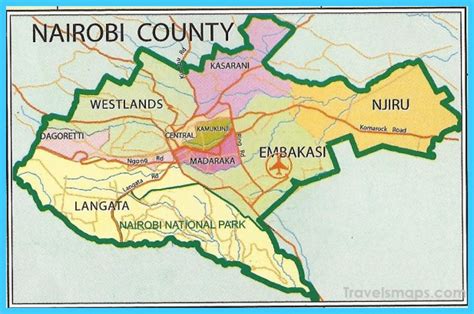

Read also: Kenya for Expats: Advantages and Disadvantages


Essential Information Before Moving to Nairobi, Kenya (2020) | Expats Everywhere
Read also: Living Expenses in Liberia
Popular articles:
tags: #Kenya
