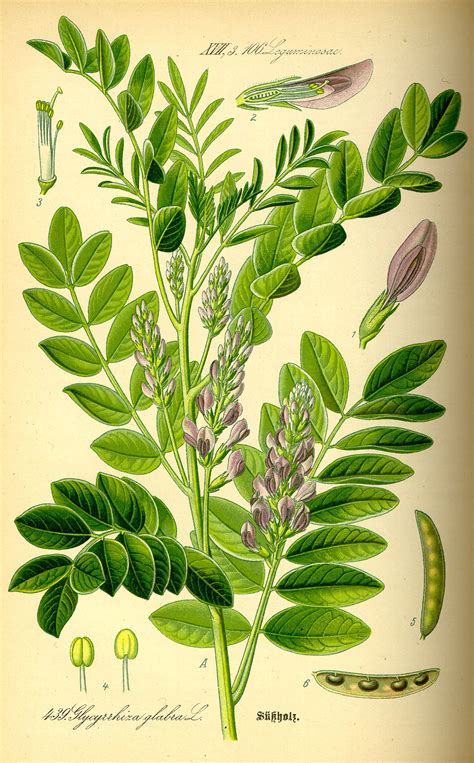
Licorice lovers all over the world will tell you that what most people call licorice today technically isn't licorice at all. The flavor of what's known today as "black licorice" traditionally comes from the licorice plant, Glycyrrhiza glabra.
Key Ingredients in Licorice
The essential ingredients of black licorice confectionery are licorice extract, sugar, and a binder. It is usually flavored with other compounds without the root extract, glycyrrhizin, also known as glycyrrhizic acid, the compound that makes licorice sweet and gives it that signature taste.
Sweeteners
Corn syrup is another common sweetener in licorice. Some traditional licorice makers use molasses to compliment the natural sweetness of the licorice plant roots without any additional sweeteners. It's typically used in addition to sugar because using multiple types of sweeteners enhances the sweetness properties of both on the tongue as you enjoy the treat. Occasionally, other sweeteners in addition to those already mentioned may be added to the licorice mix including glucose syrups, honey, and/or maple sugar. Some sugar-free licorice incorporates artificial sweeteners like aspartame or sucralose.
Base and Binders
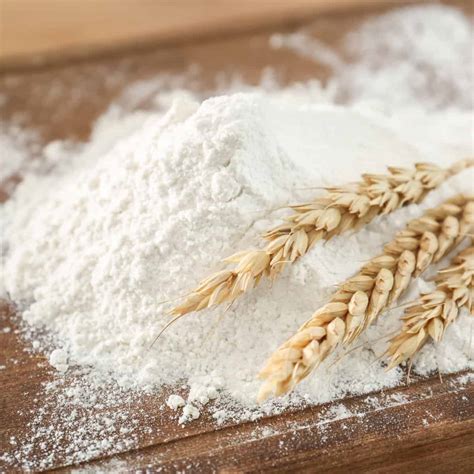
Most traditional licorice candy uses wheat flour as a base. The flour/starch forms the basis for the dough that ultimately becomes the tasty licorice we're all familiar with. Other starches or flours are sometimes used when creating gluten-free black licorice. The base is typically starch/flour, gum arabic, gelatin or a combination thereof.
Additional Ingredients
Depending on the type of licorice, other ingredients may be used. Even regular black licorice can contain some ammonium chloride, though, as a complement to the sweetness. Ammonium chloride is mainly used in salty liquorice candy, with concentrations up to about 8%. Smaller licorice producers may also use beeswax for a shiny surface. Other ingredients that may be included are natural or artificial colorants. Traditional black licorice uses the licorice plant root not only for flavor but for color as well.
Read also: The Vital Grasslands of Eastern Africa
How Licorice is Made in The World’s Oldest Factory in Italy
Red Licorice and Other Flavors
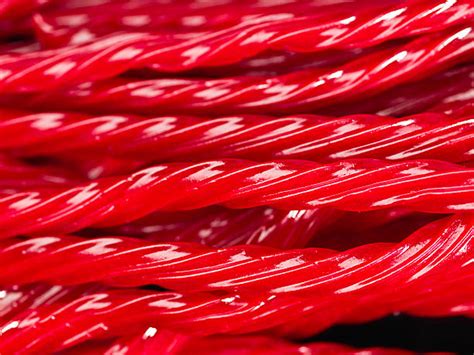
As you've likely already gathered, red licorice candy does not contain any amounts of licorice root at all. Instead, the main flavorings are usually strawberry, cherry, or raspberry (with varying amounts of natural and artificial flavoring). Additionally, citric acid can be added to give tanginess to fruit-flavored licorice candy. More recently, in the United States and Australia, similar types of licorice have been introduced in a wide variety of colors and flavors including apple, mango, and watermelon - just to name a few.
Manufacturing Process
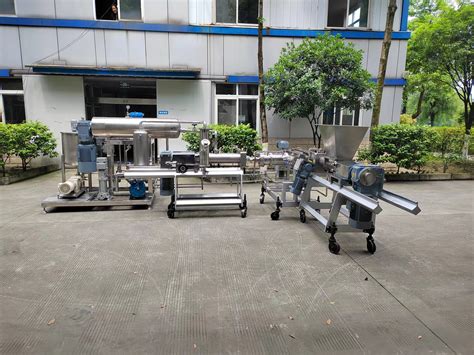
As mentioned above, all types of licorice are cooked slowly to make a dough, after which, the candy takes its final form. During manufacturing, the ingredients are dissolved in water and heated to 135 °C (275 °F). Smaller licorice makers may use a cornstarch molding process. In order to obtain sweets of the desired shapes, the liquid is poured into molds that are created by impressing holes into a container filled with starch powder. Once cool, the molds are turned over and the sweets fall out, ready for packing. Both large and small manufacturers use extruders to produce the licorice ropes and twists we're all familiar with.
Regional Variations
A variety of liquorice sweets are produced around the world. In North America, black liquorice is distinguished from similar confectionery varieties that do not contain liquorice extract but are manufactured in the form of similarly shaped chewy ropes or tubes and often called red liquorice. Various liquorice sweets are sold in the United Kingdom, such as liquorice allsorts.
Potential Health Concerns
The liquorice-root extract contains the natural sweetener glycyrrhizin, which is over 50 times sweeter than sucrose. Excessive black liquorice consumption can cause chloride-resistant metabolic alkalosis and pseudohyperaldosteronism. In one particularly extreme case from 2020, a man from Massachusetts ate a bag and a half of black liquorice every day for several weeks, leading to death due to chronic high levels of glycyrrhetinic acid, a principal metabolite of glycyrrhizinic acid.
Read also: Iconic Elvis Songs
| Ingredient | Purpose |
|---|---|
| Licorice Extract | Flavor and Sweetness |
| Sugar | Sweetness |
| Wheat Flour/Starch | Base/Binder |
| Corn Syrup | Sweetness and Texture |
| Molasses | Sweetness and Flavor |
| Ammonium Chloride | Saltiness (in some varieties) |
| Natural/Artificial Flavors | Flavoring (e.g., strawberry, cherry) |
| Colorants | Aesthetics |
From the traditional licorice root taste of black licorice to the sweet-tart fruitiness of the newer green apple licorice, all types of licorice candy are manufactured in very similar ways. This results in the chewy texture you love - whether you consider yourself an aficionado or just a casual licorice fan looking for a great sweet treat.