Moroccan rugs are renowned for their unique beauty and cultural significance. They add warmth, style, and a touch of exoticism to any space. However, owning a Moroccan rug comes with the responsibility of proper care and maintenance. Additionally, understanding the factors that influence their pricing and determining their authenticity and quality can be challenging for many buyers. In this ultimate guide, we will delve into the world of Moroccan rugs, covering everything from cleaning and pricing to the different types available and how to assess their authenticity and quality.
Understanding Moroccan Rugs
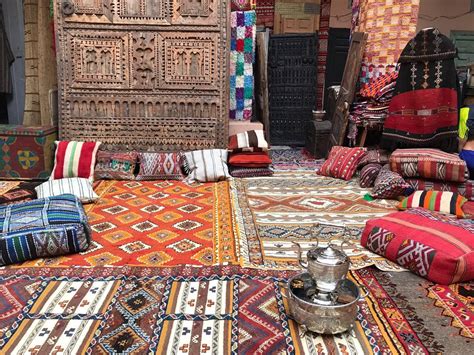
Moroccan rugs have a rich history that dates back centuries. They are handmade by skilled artisans using traditional techniques passed down through generations. These rugs are known for their geometric patterns, bold colors, and plush texture. Moroccan rugs often feature symbols and designs that reflect the cultural heritage of various tribes and regions within Morocco.
Early motifs, still popular design elements today, were incorporated as forms of protection to ward off malignant spirits. Originally woven by women and always by hand, Moroccan rugs connected Berber tribes with the broader world. Meticulously hand spun wool was dyed with time-honored recipes crafted from ingredients such as fruit, spices, and local minerals. Authentic Moroccan rugs remain true to their traditions. However, the significance of Moroccan heritage persists in the hand woven Moroccan-style rugs crafted by Tufenkian.
Different Types of Moroccan Rugs
Rooted in centuries-old traditions, Moroccan-style rugs feature distinctive patterns and designs that span a diverse spectrum.
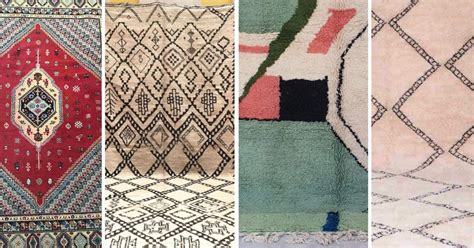
- Beni Ouarain rugs are among the most popular types of Moroccan rugs. They originate from the Beni Ouarain tribe in the Atlas Mountains. These rugs are characterized by their ivory or cream-colored backgrounds with distinctive black or brown geometric patterns. Beni Ourain rugs are the pinnacle of Moroccan artisanship, known for their long pile and distinctive monochromatic geometric patterns. Originating from the Atlas Mountains, these rugs are traditionally woven by Beni Ourain tribes and reflect their nomadic lifestyle and cultural symbols.
- Azilal rugs are known for their vibrant colors and intricate designs. They are handwoven by the Berber women of the Azilal region in Morocco. Azilal rugs often feature abstract patterns and playful motifs, making them a lively addition to any interior. With a burst of vibrant colors and abstract patterns, Azilal rugs tell unique stories through asymmetrical designs, demonstrating the individual weaver’s expression and the influence of their surroundings. These artisans utilize wool from local sheep as well as undyed cotton or silk thread to create beautiful patterns and colors.
- Boucherouite rugs, also known as rag rugs, are made from recycled textiles such as old clothing and fabric scraps. These rugs showcase a vibrant mix of colors and patterns, creating a bohemian and eclectic look. Boucherouite rugs, also known as “rag rugs,” symbolize Moroccan resourcefulness and creativity. These rugs were traditionally crafted from recycled materials, including fabric scraps, and embrace a multitude of colors and patterns.
- While not exclusive to Morocco, Kilim rugs hold a significant place in the landscape and history of the region.
- Boujad rugs originate from the Haouz region and are renowned for their intricate and expressive designs. Striking reds, pinks, and oranges often feature prominently. Each Boujad rug is a unique woven creation that captures the spirit and individuality of its weaver.
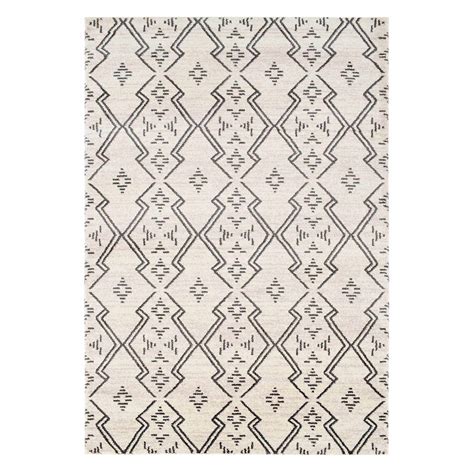
Tufenkian’s take on Moroccan style rugs offer an inviting shag-like texture evocative of the weaving traditions of the Atlas Mountains. New production composed of sophisticated design and modern, neutral color palettes make these the ideal in casual elegance for today’s contemporary home.
Read also: Brass Trays in Moroccan Culture
The Weaving Process
The process of weaving a Moroccan rug is a balance of creativity and artisanship, where each step contributes to the rug’s cultural significance and artistic polish.
- Choosing the right material is paramount. Local sheep provide the wool, prized for its durability and softness, which is spun by hand to form the foundational yarn for these rugs. Traditionally, Moroccan rug weavers may have incorporated silk or cotton to enhance the texture.
- The dyeing process is an art in itself. Locally sourced ingredients such as spices, minerals, and fruits create vibrant dyes that transform the raw wool into multi-colored skeins. This step is where the wool takes up various hues that captivate the eye and make it possible for the weaver to tell stories in the rug.
- Moroccan rugs typically use the traditional Berber knot, a meticulous hand knotting method that contributes to the plush, high-pile texture.
- As the weaving nears completion, the weaver trims excess fibers, secures the knots, and inspects the rug for resilience and consistency.
Assessing the quality of a Moroccan-style rug involves an appreciation for the authenticity of its materials, its artisanship, and the enduring vibrancy of its colors.
Cleaning and Maintenance of Moroccan Rugs
Proper cleaning and maintenance are essential to preserve the beauty and longevity of Moroccan rugs. Here are some tips to keep in mind:
- Regularly vacuum your rug to remove loose dirt and debris.
- Blot spills immediately with a clean cloth or paper towel.
- Use hair conditioner when cleaning carpets. Pre-mix it with water and splash the mixture over the wet rug. Then, use an upside-down bowl to rub the carpet back and forth. This technique creates suction under the bowl, effectively removing dirt.
- Consider professional cleaning for deep cleaning, stain removal, and specialized care.
- Rotate your rug periodically to distribute wear evenly and remove dirt. This method is commonly referred to as "summer face" and "winter face" rotation. Turning the carpet like this helps remove a lot of dirt and dust.
- Avoid using harsh chemicals or cleaners that may damage the fibers.
By following these cleaning and maintenance practices, you can ensure the longevity and beauty of your Moroccan rugs.
Thorough washing of Moroccan rugs is best left to professionals. Consult care instructions or seek professional cleaning services if your rug requires a deep clean. Moroccan-style rugs are best kept in excellent condition through spot cleaning, as handwoven rugs can lose their shape or color if not properly cleaned.
Read also: Exploring Moroccan Lantern Design
Gentle vacuuming is best. Use a low-suction vacuum or turn off the beater brush to prevent damage to the rug’s fibers.
Gently brush a Moroccan-style rug with a soft-bristle brush to maintain its texture. Be sure to brush in the direction of the pile and avoid vigorous movements to prevent damage to the delicate fibers.
Moroccan rugs may shed fibers, often many at first, which is normal and expected for these rugs. Regular vacuuming should help the shedding to diminish over time.
Pricing Factors for Moroccan Rugs
The price of a Moroccan rug can vary significantly based on several factors.
Material and Craftsmanship
The type of material used and the level of craftsmanship play a significant role in determining the price of Moroccan rugs. High-quality rugs are often made from natural fibers such as wool, which is known for its durability and luxurious texture. Genuine Moroccan and Moroccan-style rugs are crafted from premium wool to ensure durability, softness, and an authentic feel underfoot. The choice of materials, from the quality of the wool to its origins, contributes to the rug’s texture and overall quality.
Read also: Guide to Large Moroccan Mirrors
Size and Design Complexity
The size of the rug and the complexity of its design are important pricing factors. Larger rugs generally command higher prices due to the increased amount of materials and time required to create them.
Age and Condition
The age and condition of a Moroccan rug can significantly impact its price. Antique rugs, which have stood the test of time and carry historical value, tend to be more expensive. Rugs in excellent condition, with minimal signs of wear or damage, are also highly sought after and may come with a higher price tag.
Age, style, design, condition etc. etc. are all variables. A small rug may only cost you 750-1000 dirham. However an average price ranges in the 3500-6000 dirham range. An older vintage Berber rug or larger sized rugs can range from 10,000-25,000 dirham and more.
Authenticity and Quality of Moroccan Rugs
When purchasing a Moroccan rug, it's important to ensure its authenticity and quality. Here are some key aspects to consider:
- Look for handmade rugs crafted by skilled Moroccan artisans. Quality Moroccan rugs are meticulously hand woven, knot by knot, by skilled artisans. These rugs feature charming irregularities in the weave and subtle variations in pattern, which serve as signs of the human touch.
- Examine the weaving technique and the consistency of the knots.
- Authentic Moroccan rugs often have imperfections and slight irregularities, which add to their charm and authenticity.
- Consider buying from reputable sellers or certified dealers who specialize in Moroccan rugs.
Authentic Moroccan rugs typically feature geometric patterns, vibrant colors, and, upon closer inspection, wonderful irregularities in the weave. Hand knotted artisanship and distinct cultural motifs are key identifiers.
The hallmark of a high-quality Moroccan rug is its materials.
The vibrancy of Moroccan-style rug colors should be striking and enduring. Colorfastness is a crucial quality criterion. This ensures that the rich hues withstand the test of time and exposure to light.
One way to tell if you’re getting a real wool rug or a synthetic is to hold up a lighter to one of the loose edges. If it doesn’t light or put itself out its made of wool. If it ignites it’s synthetic.
Where to Buy Moroccan Rugs
Moroccan rugs can be found both in physical stores and online marketplaces. Here are some locations where you may find Moroccan rugs for sale:
- Marrakech: The city of Marrakech, where ancient traditions and modern influences meet to create a captivating tapestry of culture. Nestled within the heart of Morocco, this enchanting city is renowned for its vibrant souks, labyrinthine streets, and an array of exquisite handmade crafts. Marrakech has long been a paradise for rug enthusiasts, offering an abundance of choices that showcase the rich heritage of Moroccan craftsmanship.
- Fez: Fez is known for its traditional craftsmanship, and you can find high-quality rugs in the ancient medina’s souks.
- Rabat: While not as touristy as Marrakech or Fez, Rabat still offers opportunities to buy rugs.
- Essaouira: This coastal city has a relaxed vibe and a burgeoning arts scene.
- Tangier: Tangier’s medina hosts several shops selling Moroccan rugs, including Berber styles.
- Atlas Mountains: For a more immersive experience, consider visiting rural areas in the Atlas Mountains, where Berber communities produce rugs using traditional methods.
Good question! You should always take care and if you’re unsure or afraid to do this - don’t.
Little Moroccan Things is one of the very few rug shops that are founded by a woman of Moroccan origins who works directly with cooperatives and makes sure they are paid competitive wages.
Many rugs take months to make and a lot of materials, this really has to be considered when you’re shopping.
If you walk into a shop and are told a carpet is an antique Moroccan rug don’t automatically trust it, especially if you don’t know the difference. There is a whole industry of “aging” carpets that will be sold as antiques.
If you really want to buy an antique you need to be sure to do your research, so you know what you’re getting. Chances are also pretty good you won’t find rugs here that date beyond the 1920’s or 1930’s. Even in the best condition, they’ll have natural fade and the fabric will be frayed.
Remember rugs are used for practical, not decorative purposes. If you don’t know what you’re buying and don’t have a lot of experience with antique rugs I would encourage you to be very careful. Like with anything if you don’t know what you’re buying you can’t really judge the value of that item. For your purchase, you might consider something that you simply love vs.
Tips for Buying in Marrakech
Our Most Expensive Travel Purchase || Moroccan Rugs in Marrakech
Buying a rug in Marrakech can be a really fun experience, but it also can be overwhelming. Here are some tips to help you navigate the souks and find the perfect rug:
- Do not, I repeat DO NOT accept the price offered to you in the shop. There are some, but very few, shops that have fixed prices. Bargaining here is part of the game. The salesmen knows you aren’t (well you shouldn’t) accept his first offer. Many people are afraid of going too low. Fear not. You should eventually expect to meet somewhere around 50% of the original price. If you know you are already out of your league at 50% off the original price - move on.
- Love a rug? Don’t let the shopkeeper catch on to it or you’ve lost one of your biggest bargaining chips. Instead, act nonchalant. Even look at more rugs so that you can eventually come back to the one you really want. Also, don’t be afraid to walk away. But, if you appear very interested and just HAVE to have a specific rug the salesperson is not going to be as flexible with pricing.
- Sometimes it can get a little (ok a lot) overwhelming when you start looking at rugs. There are SO many to choose from that after a while they can all start to blend together. Have an idea of colors that you do or do not like. If for example you’ve seen a few orange rugs and hate them, let the vendor know you don’t want to see any more rugs with orange. Start by narrowing down the rugs you do like. The vendor will pull out rug after rug and lay them on the floor. When you’ve reached a point where you’re not sure anymore stop them. Ask to remove the rugs you do not like and set the ones that are “maybe’s” to the side.
- If you are shopping for your rug in Morocco, it is traditional and quite acceptable to bargain in the souk. No one expects you to accept the given price. So try bargaining and get a “deal”. The salesman will work with you as he knows his bottom line. Start by offering as much as two-thirds off the initial price and expect to increase your bid. You will end up somewhere in the middle between the highest and lowest end of the price spectrum. A tip in bargaining is to look uninterested and willing to walk away. Yes, it is a game so learn to play your part. If you look excited, the salesman has his hook on you. Vendors are smart at observing customers’ “tics”. They will keep you guessing but stay in the higher price realm. If you look nonchalant, he will have to work at his trade. Feel free to leave and return.
- If you’re planning to shop for a rug don’t go empty-handed. You will want to have an idea of the size of the rug you want or need. This is very important. Keep in mind sizes are done in metric and most rugs are not made in the same dimensions as western rugs. You also should have some ideas of colors and designs that you like. A Pinterest search will pull up hundreds of different Moroccan rugs. Familiarize yourself with some of the names of styles you like. Also, have an idea of your budget and what you want to spend. It’s easier to pay for things with cash than a card as there’s often a surcharge for using a credit card. If this is the case make sure to work in the charge to your final price.
- Do not believe anyone on the street who tells you specific shops or alleys are closed (this applies to almost every shop or attraction in Marrakech) or not open, or anything of the sort. The person will most likely tell you this, and then "offer" to take you to a different shop that they work with, requesting (or forcing) you to tip them for the convenience of taking you. If you ever happen to be approached by these scammers, it's always best to assertively inform them that you will report their activities to the authorities.
Styling Moroccan Rugs
Moroccan rugs thrive in settings that derive style from a diverse range of design sources.
- Mix and match furniture pieces in different styles, such as mid-century modern or transitional styles, to contribute to a visually dynamic space.
- Let your Moroccan-style rug serve as a cultural ambassador for your space.
- Moroccan rugs shine when paired with low-slung furniture and pieces with a profile around five inches lower than typical. Consider placing your rug beneath a coffee table or arranging your seating area with pieces closer to the floor.
- Balance is essential with Moroccan-style rugs. If your rug boasts vibrant colors, opting for furniture and decor in neutral tones is often ideal to establish harmonious contrast.
- Moroccan rugs often work best in the company of other textiles, especially on the floor. Layer your rug over larger, neutral-toned carpets to enhance its prominence in the room. This adds depth but can also make a more modest-sized rug work in a larger room.
Pairing low-slung furniture with an area-sized statement piece, such as an 8x10 foot Beni Ourain or a Berber-inspired design, allows the intricate patterns of the rug to take center stage. This approach prevents the rug from overwhelming other elements within the room's aesthetic framework.
Whether it's a Moroccan runner in a hallway or an area rug in your living room, placement is crucial. An area rug Moroccan style can be the focal point of your living room. Place it under low-slung sofas and coffee tables to anchor the seating area.
Incorporating a Moroccan Berber rug at the foot of your bed adds both warmth and visual interest. A large Moroccan rug under your dining table can define the dining space while adding comfort underfoot.
Conclusion
Moroccan rugs are artistic masterpieces, symbols of a rich and diverse heritage, and a versatile piece of design that can anchor any room and enhance its aesthetic appeal. By following the tips outlined in this guide, you’ll be able to navigate the rug market with confidence and find the perfect rug to bring home as a souvenir of your trip. Remember to take your time, do your research, and don’t be afraid to negotiate.
Popular articles:
tags: #Moroccan
