Literacy is fundamental to individual empowerment and national development. In Ghana, significant strides have been made in improving literacy rates, yet challenges remain, particularly among females and in rural areas. Understanding the current state of literacy in Ghana requires a close examination of available statistics and the factors that influence them.
According to the 2021 Census report released by the Ghana Statistical Service, 30.2 percent of individuals “6 years and older” are not literate in any language. This highlights a considerable portion of the population that still lacks basic literacy skills. The illiteracy rate is more pronounced among females (34.4%) than males (25.9%), indicating a gender disparity in access to education and literacy resources.
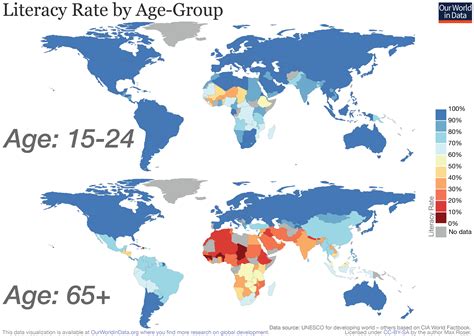
Worldwide Literacy Rates Map
Key Statistics on Illiteracy in Ghana
- Overall Illiteracy Rate: 30.2% of individuals aged 6 years and older.
- Female Illiteracy Rate: 34.4%
- Male Illiteracy Rate: 25.9%
In 2018, the adult literacy rate for Ghana was 79 percent. While this figure indicates progress, it also underscores the need for continued efforts to reach the remaining portion of the population that lacks literacy skills.
The Importance of Literacy
Reading is a great motivation for an individual to do better in life. The more an individual reads, the more his/her understanding and comprehending skills improve. The habit of reading is correlated with the attainment of knowledge. The better a reader, the easier it becomes for him/her to maintain a job role with assigned work.
Read also: Education Stats: Egypt
The link between literacy and improved livelihood outcomes is very clear. The cost of illiteracy anywhere is enormous, and libraries are essential to learning. To improve reading and learning, efforts must be targeted and strategically applied.
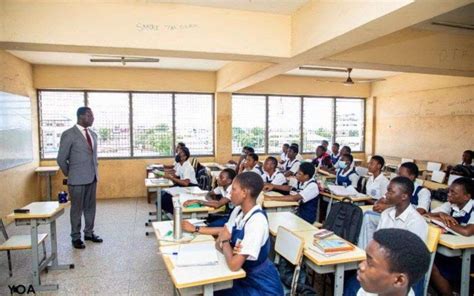
Students at a Ghanaian school
Gender Disparities in Illiteracy
The higher illiteracy rate among females in Ghana is a significant concern. This disparity is even more pronounced in rural areas, where access to education and resources is limited. Addressing this issue requires targeted interventions to promote female education and empowerment.
Efforts to Improve Literacy
Organizations like Literacy for Life are actively involved in community outreach and special projects aimed at improving literacy rates. These efforts often involve volunteers and community members working together to provide educational resources and support.
Why is Literacy so Important?
To improve literacy, efforts must be targeted and strategically applied.
Read also: Causes of Illiteracy in Morocco
Read also: Historical GBP to NGN Data
Popular articles:
tags: #Ghana
