Ethiopia's hotel industry is experiencing a significant transformation with the increasing presence of global hotel brands. This development is driven by the country's growing tourism sector and the need for quality hotel accommodations.
In the broader African context, hotel development is largely dominated by "Egypt and the Big 5," where "the Big 5" refers to the global hotel chains: Accor, Hilton, IHG, Marriott International, and Radisson Hotel Group.
According to the African Hotel Chain Development Pipeline report, these major players account for a significant portion of hotel development across the continent.
The Ethiopian hotel sector is considered especially promising for hospitality industry investments. Several international companies have already signed management contracts in Ethiopia, indicating confidence in the country's potential.
What are the Future Trends in Hospitality Industry?
International Hotel Chains in Ethiopia
Several international hotel chains have established a presence in Ethiopia, contributing to the growth and modernization of the country's hospitality sector. These include:
Read also: Discover the Egypt Pavilion
- Hilton: Hilton has announced plans to expand its presence in Ethiopia, aiming to reach eight trading properties across the country.
- Marriott International: Marriott manages the Marriott-Executive Apartment Hotel, constructed by the Sunshine Investment Group, and plans further expansion in Ethiopia.
- Wyndham Hotel Group: The Wyndham Hotel Group opened its first property in Ethiopia, the Ramada Addis, and considers Ethiopia a promising country for hospitality industry investments.
These international hotel chains bring state-of-the-art technology in housekeeping, food preparation, laundry, front office, and security outlets, which significantly develop the hotel’s customer service.
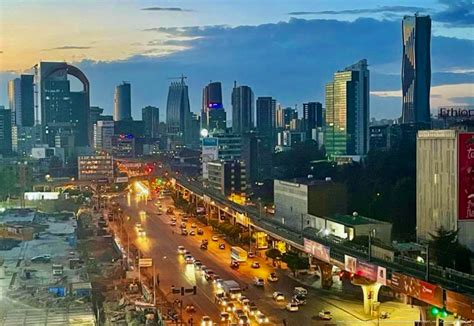
Hilton's Expansion in Ethiopia
Hilton is expanding its presence in Ethiopia with the signing of an agreement with Brighton Hotels and Business Plc. to open two properties: DoubleTree by Hilton Adama and DoubleTree by Hilton Dire Dawa.
Carlos Khneisser, vice president, Development, Middle East & Africa, Hilton said, “We are thrilled to partner with Brighton Hotels and Business Plc. to open two hotels in Ethiopia. These new additions in Adama and Dire Dawa will further strengthen our footprint across the country, perfectly complementing the soon-to-open DoubleTree by Hilton Addis Ababa Airport and currently trading Hilton Addis Ababa. We look forward to continuing our growth across Ethiopia and delivering reliable and friendly stays to business and leisure guests.”
DoubleTree by Hilton Adama
DoubleTree by Hilton Adama is strategically located on the main road connecting to Addis Ababa, close to the Adama Science and Technology University, the Oromia Regional State Council, and various industrial offices and businesses.
The hotel will feature 188 guest rooms and suites with unobstructed mountain views of the Rift Valley. Guests can enjoy a variety of food and drink venues including a lobby café, a signature restaurant, a terrace, and a pool bar and grill. The hotel will also house various amenities including a ballroom, six meeting rooms, a business centre, a spa, a fitness centre and an outdoor pool and deck.
Read also: Global Logistics in Kenya
DoubleTree by Hilton Dire Dawa
DoubleTree by Hilton Dire Dawa will be situated near the city’s new government offices and is a short drive from the main industrial zones. Dire Dawa International Airport is also less than 10 minutes away. The hotel will include 150 guest rooms and suites, diverse food and drink offerings such as a lobby café, a signature restaurant, a terrace, and a pool bar and grill. The hotel also features a spa, a fitness centre and an outdoor pool and deck. For meetings and events, guests will be able to choose from six meeting rooms, a ballroom, and a business centre.
Benefits of Hotel Development in Ethiopia
Hotel development in Africa has great economic benefits.
According to the International Finance Corporation (IFC), hotels benefit developing economies because they create jobs, encourage foreign investors to do business, and create infrastructure for international conferences and tourism, key drivers of foreign currency flow into these countries.
The World Bank notes that hotels and tourism have far-reaching, multifarious economic benefits, especially in developing countries:
“Tourism’s main comparative advantage over other sectors is that visitor expenditures have a ‘flow-through’ or catalytic effect across the economy in terms of production and employment creation.
Read also: Global Church Scandal
“[T]ourism also generates a demand for transport, telecommunications and financial services.
This development could prove fruitful for Ethiopia, where the government aims to develop the tourism sector to get 2.5 million visitors annually.
According to the World Travel and Tourism Council, the country has much to gain from the sector, which generated USD2.2 trillion and 108 million jobs globally in 2015.
Ronald Garoute, General Manager of Ramada Addis, said, “We were able to make USD400,000 revenue in two months since we started operation, which is a good sign for the prospects of the hotel sector in Ethiopia.”
Challenges and Opportunities
Despite the promising benefits that come from management contracts with international hotel chains, there are some negative short-term effects for small, local hotels. While competition from international chains may prove challenging for local hotels, the IFC report notes that these companies generally have an aggregate benefit for local businesses: “[H]otel operators generally prefer to source operating supplies (i.e., food and beverages) locally…[and] hire staff locally, if skills are available.

Still, some stakeholders are concerned about the lack of skilled human resources that has not kept pace with the industry’s growth.
“Most of the hotels ask us to bring them well-trained professionals because few have their own in-house training programmes,” Getahun Yewendater, General Manager of Element Hospitality Management and Consultancy, told EBR last year.
Yohannes believes the present status of local hotel operators is generally below average and incapable of providing the kind of service tourists require. Once greater capacity within the sector is developed, he says that it may open the door for other forms of hotel development.
Due to the dynamism in the delivery of services, stakeholders say hotel managers need to ensure a guest’s experience is central to their development efforts.
Many insiders believe that, if developed properly, hotel management companies operating in Ethiopia could have a profound, long-term benefit on the development of the hospitality industry.
The increasing presence of global hotel brands in Ethiopia is set to transform the country's hospitality sector, offering both opportunities and challenges for local businesses and the overall tourism industry.
| Hotel Brand | Number of Properties | Key Locations |
|---|---|---|
| Hilton | Expanding to 8 | Addis Ababa, Adama, Dire Dawa |
| Marriott International | Multiple | Addis Ababa |
| Wyndham Hotel Group | 1 | Addis Ababa |
Popular articles:
tags: #Ethiopia
