Bolgatanga, located in the Upper East region of Ghana, is distinctive in its landscape, its culture, and its rich history of craftwork. Bolga is the crafts center of Northern Ghana. Genuine Bolga baskets are exclusively woven by the indigenous Gurune, also known as Frafra people, around the town of Bolgatanga in Northern Ghana. For many generations, weaving has been a traditional skill of the people there.
Although farming is still crucial to the livelihood of villagers, in the last few decades basket-weaving has transformed and elevated the local economy.
Bolga baskets, also known as elephant grass baskets, have become synonymous with both beauty and functionality. These exquisite woven baskets hail from the Bolgatanga region of Ghana, where they are meticulously crafted by hand using time-honored techniques passed down through generations. Not only are these baskets a testament to the rich cultural heritage of the region, but they are also a shining example of sustainable craftsmanship.
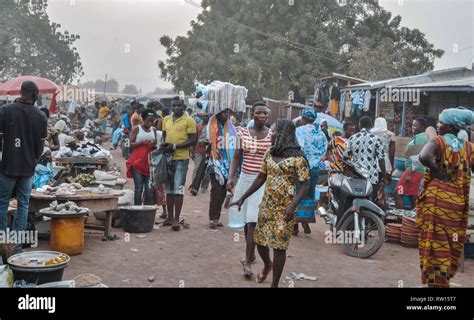
Bolgatanga Market
Origins of Bolga Baskets
The story of Bolga baskets begins in the Bolgatanga region, located in the Upper East Region of Ghana. The name "Bolga" is derived from the capital city of the region, Bolgatanga, which has long been a hub for basket weaving in Ghana West Africa. The tradition of weaving these elephant grass baskets dates back centuries, rooted in the everyday needs of the people in this rural region.
Read also: Baskets from Ghana
Historically, the people of Bolgatanga relied on basket weaving as a practical solution for storing and carrying goods, such as crops, water, and personal belongings. The arid climate of the region made farming challenging, so the skill of weaving became an essential supplementary activity that provided both utility and a means of income.
The Craftsmanship Behind Bolga Baskets
One of the defining features of Bolga baskets is the material used in their creation: elephant grass, also known as “vetiver grass” or “veta vera”. Elephant grass is a tall, tough, and resilient grass native to the region.
Weavers collect veta vera straw, which is at the top of the grass known locally as kinkahe, leaving the grass roots in the soil to regrow. The selection of the proper grass for various parts of the basket is critical to good weaving. The grass is harvested and then dried in the sun to achieve the desired durability and flexibility.
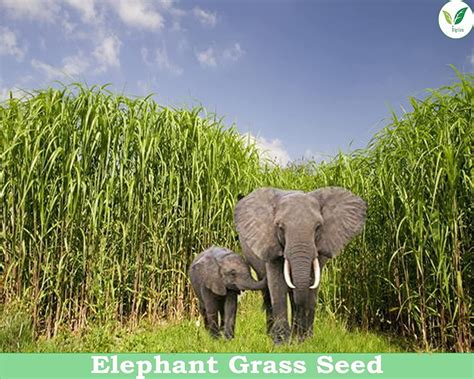
Elephant Grass (Veta Vera)
Once dried, the grass is split into thin strips and dyed using natural plant-based dyes, which contribute to the vibrant colors that are characteristic of these baskets. The straw is put in bunches and dyed in boiling water. For bright colors the straw is dyed yellow first, then the color. Each piece is split in half vertically. Each half of the split straw is then strengthened by rolling it into a tight twist.
Read also: Ghanaian Business Profile: Franko Trading
The weaving process itself is labor-intensive and requires a high level of skill. Weaving starts at the base and works up to the rim. Each basket is crafted by hand, with artisans often spending several days to complete a single piece. The intricate patterns and designs are a reflection of the weaver's skill and creativity.
The rims are generally finished flat, or wrapped with straw to form a tube like edge. Remaining bits of straw that are sticking out of the basket are carefully trimmed. There are a variety of different handles, but all are made with a sturdy wrapping technique around a grass core. Leather handles are skillfully applied by local leather workers. Some shapes and patterns are more difficult to weave and take longer. A medium basket takes about 3 days.
APAGLI TAABA | BOLGATANGA BASKET WEAVING DOCUMENTARY - OFFICIAL TRAILER (2023), #documentary #ghana
Significance of Bolga Baskets in African Culture
Bolga baskets, or African elephant grass baskets, hold significant cultural value in the communities where they are made. They are not just functional items but also symbolic of the identity and heritage of the Bolgatanga region. The baskets are often used in important cultural rituals and ceremonies, such as weddings and harvest festivals, where they are given as gifts or used to carry offerings.
In addition to their cultural significance, Bolga baskets play a vital role in the local economy. The weaving of these baskets provides a source of income for many families in the Bolgatanga region, particularly for women, who make up the majority of the weavers. Handicraft activities such as basket weaving, leatherwork, and pottery making, mostly done by women, supplement these subsistence farmers’ incomes. Farming in the region can be precarious due to poor soil, erratic rainfall, and harsh conditions.
By selling their baskets in local markets and to international buyers, these artisans are able to support their families and contribute to the economic stability of their communities.
Read also: Ghana Soccer Jersey
Global Popularity and Impact
In recent decades, Bolga baskets have gained popularity far beyond the borders of Ghana. Their unique designs, vibrant colors, and sustainable nature have made them highly sought after in global markets, particularly in Europe and North America. These baskets are often used as decorative items in homes, as fashionable accessories, or as eco-friendly alternatives to plastic bags.
The global demand for Bolga baskets has had a positive impact on the weavers and their communities. Organizations and fair-trade initiatives have helped to promote the baskets internationally, ensuring that the artisans receive fair compensation for their work.
Fair Trade Practices
This weaving group has a mission: assisting the rural people of Northern Ghana to earn a better income in order to care for their children. They believe when a woman creates an income, she puts food into the bowl of her children, which promotes self-esteem for the women, children, and the entire village.
Sustainability and Environmental Benefits
One of the key reasons for the growing popularity of Bolga baskets is their sustainability. Elephant grass, the primary material used in these baskets, is a renewable resource that grows abundantly in the region. The use of natural dyes and traditional weaving techniques means that the production of these baskets has a minimal environmental impact.
Unlike plastic or synthetic materials, elephant grass baskets are biodegradable and do not contribute to pollution or waste. Moreover, the global interest in Bolga baskets has encouraged the continuation of sustainable practices within the local communities. By supporting the production and sale of these baskets, consumers are helping to promote environmentally friendly products and reduce the demand for non-renewable materials.
The Republic of Ghana
The Republic of Ghana (formerly called Gold Coast) is a country along the Gulf of Guinea and the Atlantic Ocean, in the subregion of West Africa. Spanning a land mass of 238,535 km2 (92,099 sq mi), Ghana is bordered by the Ivory Coast in the west, Burkina Faso in the north, Togo in the east, the Gulf of Guinea and the Atlantic Ocean in the south. Ghana means “Warrior King” in the Soninke language.
The first permanent state in the territory of present-day Ghana dates back to the 11th century, the Bono State. Numerous kingdoms and empires emerged over the centuries, of which the most powerful were the Kingdom of Dagbon and the Ashanti Empire.
Today, Ghana is a unitary constitutional democracy led by a president who is both head of state and head of the government. Ghana’s growing economic prosperity and democratic political system have made it a regional power in West Africa.
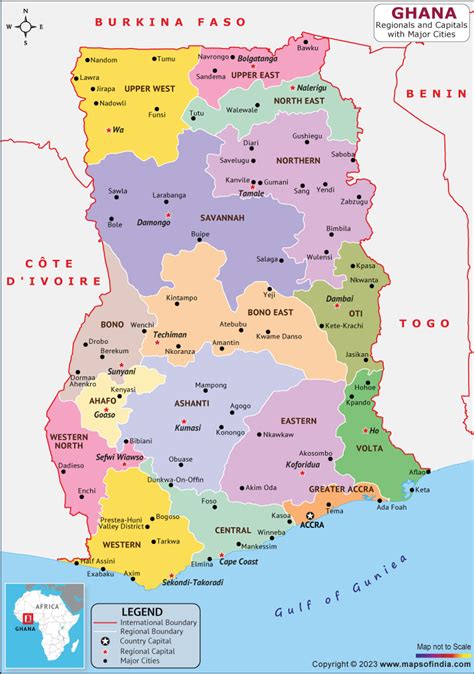
Map of Ghana
Popular articles:
tags: #Ghana
