Birth registration is a fundamental right of every child, establishing their existence under the law and providing access to various essential services and protections. In Ethiopia, the government has made significant strides in recent years to establish a comprehensive birth registration system. This article outlines the requirements for obtaining a birth certificate in Ethiopia and provides essential information for individuals seeking to legalize documents for international use.
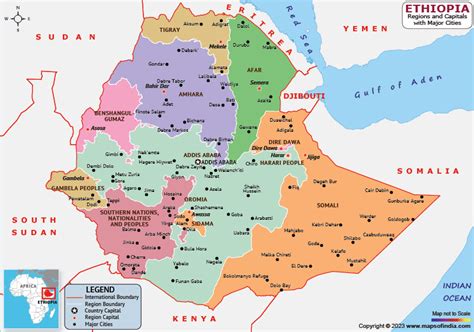
Understanding Birth Registration in Ethiopia
Birth registration is the official recording of a child’s birth by a government agency, marking one of the most important events in a child’s life. As stipulated in various human rights instruments, including the Convention on the Rights of the Child, all children have the right to a name, identity, and birthdate.
Birth registration is crucial for:
- Establishing a child's legal existence
- Providing access to social services
- Protecting against underage military service
- Securing the child's right to a nationality
- Obtaining a passport
- Opening a bank account
- Securing employment
Data from birth registration, along with statistics on death, divorce, and marriage, are essential for evidence-based policymaking, service delivery, and demographic analysis. This information is indispensable for setting targets and measuring progress towards national and global human development goals, such as the Sustainable Development Goals (SDGs).
Historical Context
The formulation and issuance of laws and policies for birth registration in Ethiopia date back to Emperor Menelik in the early 20th century. Since then, various legal and policy measures have been implemented. The 1960 Civil Code of Ethiopia, the 1995 Constitution, and the Revised Family Law of 2000 recognize birth registration as a fundamental right of children, setting provisions for its execution within the broader vital registration system.
Read also: Birth Certificate Guide - Ghana
In July 2012, the Parliament enacted a proclamation on civil registration and national identification, mandating that births be registered within three months. In August 2016, Ethiopia launched a permanent, compulsory, and universal registration and certification of vital events, including birth, death, marriage, and divorce.
Requirements for Birth Registration
The current requirements for birth registration in Ethiopia include:
- Identification cards of the mother and father
- The child's name
- Physical presence of both parents (unless justified otherwise)
Since August 2016, a complete and decentralized system of birth registration and official certificate issuance has been underway in Ethiopia. The requirements for birth registration are identification card of the mother and father, name of the child and physical presence of both parents (unless for justified ground where both cannot be present).
Study on Birth Registration in Tigray Region
A study conducted in four districts of the Tigray Region (Shire-Endaslassie, Medebay-Zana, Aksum, and La’elai-Maichew) provides insights into the factors associated with birth registration and certification status of children. The study targeted women who had given birth since August 2016. Data were collected from 383 mothers using structured questionnaires, key informant interviews, and focus group discussions.
Findings from the study revealed that a significant number of respondents lacked awareness about birth registration and its uses, with only 30% having registered their children and secured certificates. Major reasons for this gap included inaccessibility of registrar offices, lack of manpower, and insufficient government support. Mother’s education was identified as positively associated with the likelihood of a child being registered.
Read also: Behind the Scenes with Chad Michael Murray
Key findings from the survey include:
- Urban vs. Rural: Children from mothers in urban areas were more likely to be registered compared to those in rural areas.
- Religion: Children from the Muslim community had better opportunities for birth registration compared to children from Orthodox Christian parents.
- Mother's Certificate: Mothers who possessed their own birth certificates were more likely to register their children.
UNICEF Ethiopia: Strengthening Birth Registration Systems
The study concluded that birth registration and the issuance of certificates should be pursued as a right issue.
Additional Information for Immigrant Visa Applicants
For those applying for an immigrant visa to the United States from Ethiopia, it is crucial to understand the specific requirements and procedures set by the U.S. Embassy in Addis Ababa.
Important Considerations:
- Medical Examination: All immigrant visa applicants, regardless of age, must undergo a medical examination by a designated doctor in Ethiopia. Allow at least 21 days to complete the process.
- Vaccinations: U.S. immigration law requires certain vaccinations before a visa can be issued.
- Required Documents: Bring all original required documents to your case prescreening and interview.
- Financial Evidence: Provide evidence of the petitioner’s finances, such as tax records, job letters, W-2 forms, and payment stubs.
- Relationship Evidence: Submit authentic evidence of the relationship between the petitioner and the visa applicant.
- Police Certificate: If older than 16, provide the original police certificate from your country of current and previous residence.
Embassy Procedures:
Read also: Ghana Birth Registration Requirements
- Security Screening: Be prepared to undergo security screening upon arrival. No personal items are allowed in the Consular waiting area.
- Appointment Registration: Register your appointment online to ensure your passport is returned after the interview.
- Rescheduling: If you cannot attend your appointment, reschedule online, noting that there may be a significant wait for the next available date.
- Visa Interview: Attend the interview and provide all necessary documents. The consular officer will decide your visa eligibility.
Fees and Payments
The fee for an Immigrant Visa (IV) is USD 325.00 per person, or the equivalent in local currency. The fee for a Diversity Visa (DV) is USD 330.00 per person, or the equivalent in local currency. IV applicants must pay this fee on the day of your prescreening if the petitioner (your sponsor) did not pay this fee in advance.
Post-Interview Procedures
If your visa is approved, the embassy will keep your passport to prepare your immigration packet and print the visa. The passport will be returned via courier services only. Review the visa for any spelling errors, ensuring your name matches your passport exactly.
Upon receiving your visa, you will also receive a sealed immigrant packet, which must be presented to U.S. immigration authorities upon your first arrival in the United States. Do not open this envelope and carry it with you, not in your checked luggage.
Additional Resources
- USCIS Web Page: For helpful information on moving to the United States.
- Department of Labor’s Occupational Skills List: To verify educational requirements based on work experience.
Legalization of Documents for International Use
For documents originating from or notarized within the United States that need to be legalized for use in Ethiopia, it's important to note that Ethiopia is not a member of the Hague Apostille Convention. This means that documents require certification through the U.S. Department of State and legalization by the Ethiopian Embassy.
Important Note: It is advisable to seek professional assistance to navigate the complexities of document legalization. At International Apostille, trained staff are available to provide step-by-step instructions and answer any questions.
Conclusion
Understanding the requirements for obtaining a birth certificate in Ethiopia and navigating the immigrant visa process is crucial for individuals and families. By following the guidelines and seeking professional assistance when needed, applicants can ensure a smoother and more efficient process.
By adhering to these guidelines, you can navigate the process of obtaining a birth certificate in Ethiopia and ensure compliance with international requirements for document legalization.
| Requirement | Description |
|---|---|
| Identification Cards | Mother and father's identification cards are required. |
| Child's Name | The full name of the child must be provided. |
| Parental Presence | Both parents should be physically present unless there is a valid reason for their absence. |
Popular articles:
tags: #Ethiopia
