Egyptian cuisine is celebrated for its diversity and innovation, extending beyond food to a rich array of traditional beverages. These drinks, deeply rooted in Egyptian culture and history, offer a unique taste of the country's culinary heritage.
Egypt, a land of ancient wonders and rich culture, experiences distinct weather patterns that profoundly shape its culinary traditions. From the blazing summer sun to the refreshingly cool winters, the seasons dictate the beverages that Egyptians turn to for refreshment, comfort, and celebration. Egyptian beverages are as diverse as the country’s climate, offering a rich tapestry of flavors to suit every season.
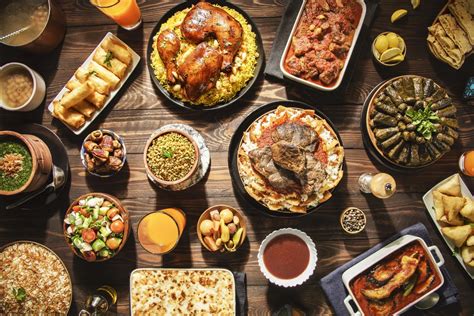
Summer Refreshments
In Summer in Egypt, many people start looking for refreshing drinks that can be consumed throughout the day to feel refreshed and get rid of the intense heat, especially during the daytime.
Sugarcane Juice (Asab)
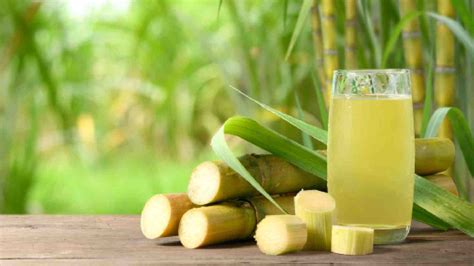
Among the quintessential summer beverages, sugarcane juice stands tall as a natural coolant. Even more popular (it’s cheaper) than fruit juice is sugarcane juice (Asab). The cloudy green liquid quenches the thirst and is easily thrown back in a few long gulps. Machines in coffeehouses and juice-stands squeeze the long stalks to extract the juice. Sugarcane is naturally sweet, of course, and so the drink is as well.
Where to buy: Sugarcane juice, also known as ASAB, can typically be purchased from street vendors, juice stalls, or local markets in regions where it is popular, such as India, Southeast Asia, and parts of Africa. Additionally, some grocery stores and supermarkets may carry bottled or freshly squeezed sugarcane juice.
Read also: A Taste of South African Culture
Iced Hibiscus Tea (Karkade)
Steeped in tradition and flavor, iced hibiscus tea emerges as a frontrunner in the realm of summer thirst-quenchers. This infusion of hibiscus flowers gives the drink its dark-red color and fruity taste, sweetened with honey or sugar. Kerkaday‘s origins stretch back to the time of the pharaohs, and people also cite its medicinal qualities, including its high levels of vitamin C and antioxidants. You can serve it hot in winter too, but I think its flavor truly shines with ice and a touch of sugar.
Where to Buy: Dried hibiscus flowers are readily available on various online platforms. For an authentic taste of Karkade tea in Egypt, consider visiting open-air cafes across the country.
Iced Coffee
For coffee aficionados unwilling to part with their beloved brew, iced coffee presents itself as a deliciously invigorating alternative.
Where to buy: Iced coffee is available at numerous cafes, coffee shops, and specialty beverage outlets worldwide. You can also find it in many convenience stores, supermarkets, and even some fast-food chains.
Lemon with Mint (Limonana)
Infused with the zesty tang of lemon and the refreshing aroma of mint, this classic combination epitomizes summer refreshment. A cold lemonade (‘aseer limoon) or lemon with mint (limoon bil-na’na’) is another staple in Egyptian cafes and restaurants. In fact, when entering an establishment, it’s common to hear the whirring crunch of ice and lemons in a blender. The recipe is deliciously simple. Lemon juice or whole seeded lemons are combined in a blender with ice, sugar, and copious amounts of fresh mint.
Read also: Beverages in Ghana
Where to buy: Lemon with mint beverages are commonly available at cafes, juice bars, and restaurants that offer refreshing drinks. Additionally, you can find bottled or canned lemon-mint drinks in grocery stores and convenience stores.
Chilled Fruit Juices
As summer fruits ripen and abound, the possibilities for chilled fruit juices are endless. From succulent watermelon to juicy apricots and beyond, these seasonal delights offer a symphony of flavors and nutrients. One of my fondest memories of Cairo is a hole-in-the-wall juice stand that only sold mango juice. The narrow store under an overpass in Doqqi was always packed. Their generous cups of juice had a few mango chunks at the bottom, a hidden treasure after slurping down the cool beverage. Cafes often have mango juice (‘aseer manga) on their menus as well.
Where to buy: Fruit juices are widely available in supermarkets, grocery stores, and convenience stores. You can find a variety of options, including freshly squeezed juices, bottled juices, and juice blends. Many cafes, juice bars, and smoothie shops also offer freshly made fruit juices.
Winter Warmers
In Egypt Winter, winter is a time when people enjoy various hot beverages to keep warm and cozy.
Sahlab
Sahlab is a comforting and popular winter drink in Egypt, especially during the colder months. Sahlab is a widely popular hot beverage in Egypt.
Read also: CCBA's New Chapter
Ingredients: Sahlab is made from a starchy powder derived from the tubers of certain orchid species, particularly the Orchis mascula.
Preparation: To make Sahlab, the powdered Sahlab is mixed with hot milk and sugar to create a creamy and comforting beverage. The mixture is often stirred continuously until it thickens to the desired consistency.
Serving: Sahlab is typically served hot in mugs or cups, making it perfect for warming up during chilly Egyptian winters.
Flavor and Texture: Sahlab has a smooth and creamy texture, thanks to the starch in the Sahlab powder and the milk. It has a subtle floral flavor from the orchid tubers and a hint of sweetness from the sugar.
Cultural Significance: Sahlab has a long history in Egyptian and Middle Eastern cuisine and is enjoyed as a traditional winter beverage.
Where to buy: Sahlab, a popular Middle Eastern hot drink made from powdered orchid tubers, is commonly found in cafes, street vendors, and traditional markets throughout the region.
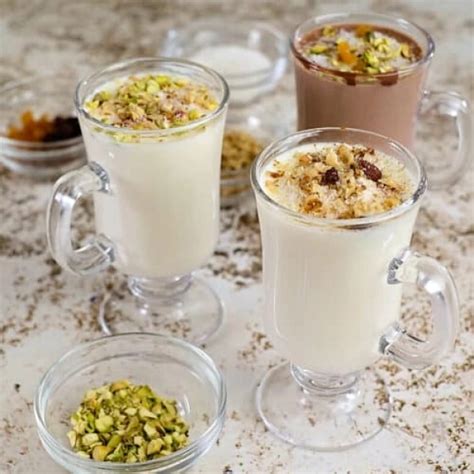
Sahlab - Arabic winter drink || silky smooth hot drink || how to make sahlab | salep
Yansoon (Anise Tea)
Yansoon, also known as anise tea or aniseed tea, is another popular beverage enjoyed in Egypt, particularly during the winter months. Add sugar if you like or drink it straight. Some say the golden yellow beverage tastes like medicine, but I disagree. This fragrant infusion reminds me of licorice and, served hot, provides a nice alternative to tea or coffee. Yansoon is a strong anise tea without caffeine.
Ingredients: Yansoon is made from anise seeds, which have a distinct licorice-like flavor.
Preparation: To prepare Yansoon tea, the anise seeds are typically steeped in hot water, similar to how you would brew regular tea.
Serving: Yansoon tea is usually served hot in cups or mugs.
Flavor and Aroma: Yansoon tea has a distinctively sweet and aromatic flavor with hints of licorice from the anise seeds.
Health Benefits: Anise seeds, the main ingredient in Yansoon tea, are believed to have various health benefits. They are thought to aid digestion, alleviate bloating and gas, and promote relaxation.
Cultural Significance: Yansoon tea is enjoyed not only for its taste but also for its cultural significance.
Where to buy: Yansoon, also known as anise, is commonly available in spice markets, grocery stores, and supermarkets worldwide.
Hummus al Sham
To craft this delightful concoction, I simmered chickpeas in a savory broth infused with tomatoes, onions, and garlic. Upon completion, a medley of spices is offered, allowing you to customize the experience to your liking.
Ingredients: Hummus al Sham typically consists of the same base ingredients as traditional hummus, including cooked chickpeas, tahini (sesame paste), lemon juice, garlic, and olive oil.
Preparation: To make Hummus al Sham, the cooked chickpeas are blended together with tahini, lemon juice, garlic, and olive oil until smooth and creamy. Depending on the recipe, various spices like cumin or paprika may be added to give it extra flavor.
Serving: Hummus al Sham is typically served as a dip or spread, accompanied by pita bread or vegetables for dipping.
Flavor and Texture: Hummus al Sham has a creamy texture and a rich, nutty flavor from the chickpeas and tahini.
Cultural Significance: Hummus al Sham is a beloved dish in the Levant region and is enjoyed as a staple in Middle Eastern cuisine.
Where to buy: Hummus Al Sham, a traditional Levantine dish, can be found in Middle Eastern restaurants, cafes, and specialty food stores that offer authentic regional cuisine.
Everyday Favorites
Beyond the seasonal specialties, several beverages are enjoyed year-round in Egypt.
Egyptian Tea with Mint (Shai bi Na’na’)
Tea with mint (shai na’na’) is a standard order at any Egyptian cafe. Hot black tea, loose leaf or bagged, is mixed with fresh springs of mint and sugar. But unlike Turkish coffee, these additions usually come on the side, to add as you see fit. I like to toss in a few sprigs of mint, then stir in several small spoons of sugar for a rich sweetness. Egyptian tea with mint, also known as “shai bi na’na'” (شاي بالنعناع) in Arabic, is a beloved and refreshing beverage enjoyed throughout Egypt.
Ingredients: Egyptian tea with mint is typically made from black tea leaves and fresh mint leaves.
Preparation: To make Egyptian tea with mint, black tea leaves are steeped in boiling water until the desired strength is reached. Fresh mint leaves are then added to the tea and allowed to steep for a few minutes, infusing the tea with their refreshing flavor.
Serving: Egyptian tea with mint is traditionally served hot in small glasses or cups. It’s often poured from a teapot into glasses, allowing the mint leaves to float in the tea for added aroma and presentation.
Flavor and Aroma: Egyptian tea with mint has a bold and robust flavor from the black tea leaves, balanced by the fresh and aromatic mint leaves. The mint adds a refreshing and cooling element to the tea, making it a perfect beverage for any time of day.
Cultural Significance: Tea with mint is an integral part of Egyptian culture and hospitality. It’s commonly served to guests as a gesture of welcome and hospitality and is enjoyed by people of all ages throughout the country.
Where to buy: Egyptian tea with mint, commonly known as “Shai bil na’na” in Arabic, can be enjoyed in cafes, tea houses, and restaurants throughout Egypt.
Egyptian Coffee (Ahwa)
Traditional Qahwa (coffee) is a Turkish-style coffee, served sweet. Ask for ahwa saada (plain coffee, without sugar), mazboota (medium sweet) or zeeyaada (extra sweet). Pour the hot coffee directly into your small cup. The grounds will settle to the bottom, leaving a thick caramel-colored brew for you to savor. Egyptian coffee, also known as “Ahwa,” is a strong and aromatic coffee that holds a significant place in Egyptian culture.
Ingredients: Egyptian coffee is made from finely ground coffee beans, often roasted to a dark or medium-dark level to bring out rich flavors.
Preparation: The preparation of Egyptian coffee involves a specific brewing method that differs from methods used in other coffee cultures. The finely ground coffee is simmered in water in a special pot called a “dallah” or “ibrik” over low heat. The coffee is brewed slowly to extract maximum flavor without boiling, as boiling can result in a bitter taste.
Serving: Egyptian coffee is traditionally served in small cups known as “fincans” or “demitasse cups.” The coffee is poured directly from the dallah or ibrik into the cups, often without straining to allow some of the coffee grounds to settle at the bottom.
Flavor and Aroma: Egyptian coffee is prized for its strong and bold flavor, with rich, complex notes and a robust aroma.
Cultural Significance: Ahwa holds deep cultural significance in Egypt and is more than just a beverage-it’s a symbol of hospitality, socializing, and tradition.
Popular articles:
tags: #Egypt
