Being a responsible pet owner means making sure there's nothing in your home that might be toxic to your beloved fur baby. That's why you want to make sure your home is filled with non-toxic houseplants that won't harm your dog or cat.
It’s a “tail” as old as time: you love your cat, but want to nourish your green thumb. The problem? Many beloved houseplants are toxic to cats and other pets. Even if your cat isn’t much of a nibbler, a single mishap can spell serious trouble. With symptoms ranging from upset stomach to death, it’s critical to understand the risk a plant poses to your pet before bringing it into your home.
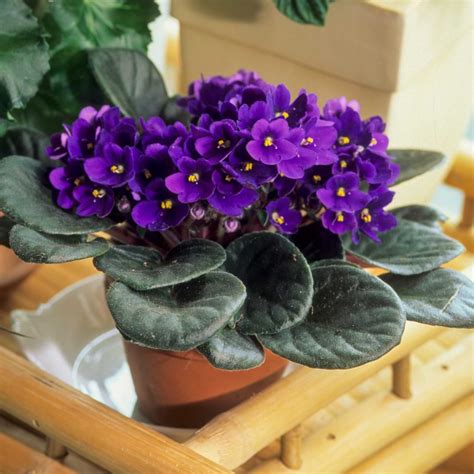
We have a sneaking suspicion that you’re here to do your due diligence, so we’ll start with the good news: African violets are safe for your cat! The ASPCA rates African violets as non-toxic to cats, dogs, and even horses! (Although, if you’ve got a horse eating your indoor houseplant, you’ve got bigger problems.)
Now, even though taking a bite out of your violet doesn’t pose an innate threat to your cat, there are a few things you need to keep in mind. Let’s take a closer look at everything you need to know for a happy cohabitation-for both of your fuzzy companions.
Are African Violets Toxic to Cats?
The short answer, no. In fact, your cat is probably more dangerous to your plant. There aren’t harmful chemicals that make African violets toxic to cats. However, if Garfield gets a mouthful, he could still exhibit symptoms of a mild illness. His sensitive stomach can get thrown off by too much of something unfamiliar. (Have you ever done a juice cleanse? You’ll know the feeling.)
Read also: Experience Fad's Fine African Cuisine
If your cat seems a little out of sorts, he’s probably not feeling well. Don’t panic! Keep an eye on his condition, and give the vet a call if the symptoms persist or get worse.
Is Fertilizer for African Violets Toxic to Cats?
The real risk to your cat comes from any chemicals your plant might be treated with. While African violets are not toxic to cats, their fertilizer can be. Similar to the plant itself, fertilizer ingestion is generally a mild irritant. But, if ingested over a prolonged period of time, it can lead to serious gastrointestinal issues.
To be on the safe side, keep a close eye on your plant (especially the flowers, those are kitty delicacies). Familiarize yourself with your cat’s behavior so you can spot any variations in demeanor before they become a major issue.
Houseplant Pro Tip: If you buy your African violet from a grower, ask about the type of insecticide they use. While consumer-forward products generally don’t pose much of a risk, those used on a commercial scale are more likely to.
Moving up the list since 2019, caring for houseplants has become a popular hobby since the pandemic hit and many people have looked for new activities outside of their Netflix accounts.
Read also: The Story Behind Cachapas
It is important to note that even if a plant is considered safe for pets, they are still not meant to be ingested. If you know your pet has adventured into one of your houseplants, especially if it is a known toxic plant, the first step is to call poison control.
You will want to be ready to drive to your nearest emergency veterinary hospital, but poison control will be able to identify possible levels of toxicity and the best treatment path for the particular plant and the time it was ingested. Poison control are individuals who are experts in toxicities. The next course of action is of course driving to your emergency hospital.
Every plant will have a different effect if ingested, and each pet will have a slightly different reaction based on their size and the amount ingested. While reading this list of symptoms you may have closed the door on plant ownership yourself, but if growing greenery is a hobby you want to get into, there are ways to do it.
Households with cats may have a harder time finding a plant that is safe, but also durable since our feline friends tend to explore high and low and have a tendency to - let’s just say - be curious. Even if a plant is safe for your cat, your cat might not be safe for the plant. The most important thing is keeping your pet safe while you explore new fun hobbies.
How Do I Keep My Cat Away From My African Violet?
One of the best ways to protect your cat is simply to keep him away from your houseplants. What’s that, you say? Cats don’t like following directions? Well, then, try a few of these timeless tricks.
Read also: Techniques of African Jewellery
- Elevate and Separate
Prevent unwanted nibbles by keeping your African violet on a high shelf or cupboard. Make sure to check for any furniture your cat could climb on to reach it, and keep your plant happy by choosing a well-lit space.
- Distract! Distract! Distract!
Sometimes your cat is just dining on your houseplant because he’s bored or curious. Try distracting him with a cat toy (feathers attached to metal springs work great) or a scratch pad filled with catnip.
- No-Worry Nibbles
Give your plant-hungry cat something healthier to munch on. Catnip, silver vine, and cat thyme are all alternatives that are safe and healthy for your furry pal.
- Divide and Conquer
We get it, cats are persistent. Sometimes the best you can do is keep your cat out of rooms that have plants in them. Make a sunroom or well-lit bedroom your houseplant oasis and keep kitty on the other side.
- Call On “Foul” Play
Felines have very sensitive noses, and several smells will inspire your cat to abandon his plant-snacking mission. Try citrus peels, cayenne pepper, or diluted citrus oil. (Note: Citrus extracts are not safe for your cat.)
Plants are a great way to create a calming, peaceful atmosphere. You can enhance that effect with a comfy bed for your pet, like the K&H Self-Warming Hut or the Self-Warming Nuzzle Nest. Adding plants can help with the air quality and ambiance in your home.
Know the Symptoms
Although your African violet is not toxic to cats, pets are experts at getting where they shouldn’t be.The range of symptoms is why it is essential to know the toxicity of any plant you bring into your home. If your cat is showing any of these symptoms, or if you suspect his health is in danger for any reason, contact your vet or pet poison control hotline immediately.
Seizures or coma
Cat-Friendly Plants: Safe Choices for Your Home | Feline Care
Non-Toxic Plants for Cats
Want to start a whole menagerie of non-toxic plants? Check out this toxic/non-toxic plant list from the ASPCA for more plants toxic to cats and plenty that are safe for kitty.
Here are some examples of non-toxic plants:
- African Violet (Cape Marigold) | Scientific Names: Saintpaulia spp.
- Alyssum (Alyssum varieties) | Scientific Names: Alyssum spp.
- Aregelia (Crimson cup, Marbled fingernail,Blushing bromeliad, Ossifragi Vase, Miniature Marble plant) | Scientific Names: Neoregalia spp.
- Autumn Olive (Silver Berry, Russian Olive) | Scientific Names: Eleagnus spp.
- Ball Fern (Rabbit's Foot Fern, Squirrel Foot Fern, Deer Foot Fern, Hare Fern) | Scientific Names: Davallia spp.
- Banana Squash () | Scientific Names: Cucurbita maxima var.
- Blushing Bromeliad (Crimson cup, Marbled fingernail, Blushing Bromeliad, Ossifragi Vase, Miniature Marble plant, Aregelia) | Scientific Names: Neoregalia spp.
- Buzzy Lizzie (Giant Touch-Me-Not, Impatience Plant, Patient Lucy, Patient Plant, Tangerine Impatience) | Scientific Names: Impatiens spp.
- Calathea () | Scientific Names: Calathea spp.
- Calochortus nuttalli (Sego Lily, Star Tulip, Mariposa Lily, Cat Ear, Butterfly Tulip) | Scientific Names: Calochortus spp.
- Cape Primrose (Twisted Fruit, Bavarian Belle) | Scientific Names: Streptocarpus spp.
- Carrot Flower (Garden Carrot) | Scientific Names: Daucus carota var.
- Cat Ear (Sego Lily, Star Tulip, Mariposa Lily, Cat Ear, Butterfly Tulip, Calochortus) | Scientific Names: Calochortus spp.
- Cinquefoil (Silver Cinquefoil, Shrubby Cinquefoil, Rough Cinquefoil, Sulfur Cinquefoil, Rock Cinquefoil) | Scientific Names: Potentilla spp.
- Coreopsis (Tickseed) | Scientific Names: Coreopsis spp.
- Creeping Zinnia () | Scientific Names: Sanvitalia spp.
- Crimson Cup (Marbled fingernail,Blushing bromeliad, Ossifragi Vase, Miniature Marble plant, Aregelia) | Scientific Names: Neoregalia spp.
- Giant Touch-Me-Not (Buzzy Lizzie, Impatience Plant, Patient Lucy, Patient Plant, Tangerine Impatience) | Scientific Names: Impatiens spp.
- Globe Thistle () | Scientific Names: Echinops spp.
- Hare Fern (Rabbit's Foot Fern, Squirrel Foot Fern, Deer Foot Fern, Ball Fern) | Scientific Names: Davallia spp.
- Hubbard Squash () | Scientific Names: Cucurbita maxima var.
- Impatience Plant (Giant Touch-Me-Not, Buzzy Lizzy, Patient Lucy, Patient Plant, Tangerine Impatience) | Scientific Names: Impatiens spp.
- Kaempferia (Peacock Ginger) | Scientific Names: Kaempferia spp.
- Lady Slipper (Giant Touch-Me-Not, Buzzy Lizzy, Patient Lucy, Patient Plant, Tangerine Impatience, Impatience Plant) | Scientific Names: Impatiens spp.
- Lance Pleomele () | Scientific Names: Draceana spp.
- Mulberry Tree () | Scientific Names: Morus sp.
- Nematanthus spp.
- Neoregelia (Crimson Cup, Marbled Fingernail, Blushing Bromeliad, Ossifragi Vase, Miniature Marble Plant, Aregelia) | Scientific Names: Neoregalia spp.
- Ossifragi Vase (Crimson Cup, Marbled Fingernail, Blushing Bromeliad, Neoregelia, Miniature Marble Plant, Aregelia) | Scientific Names: Neoregalia spp.
- Patient Lucy (Giant Touch-Me-Not, Impatience Plant, Patient Plant, Tangerine Impatience, Buzzy Lizzie) | Scientific Names: Impatiens spp.
- Patient Plant (Giant Touch-Me-Not, Impatience Plant, Patient Lucy, Tangerine Impatience, Buzzy Lizzie) | Scientific Names: Impatiens spp.
- Phalaenopsis Orchid (Moth Orchid, Moon Orchid) | Scientific Names: Phalaenopsis sp.
- Rabbits Foot Fern (Hare Fern, Squirrel Foot Fern, Deer Foot Fern, Ball Fern) | Scientific Names: Davallia spp.
- Strawberry (wild strawberry) | Scientific Names: Fragaria spp.
- Striped Blushing (Crimson Cup, Marbled Fingernail, Blushing Bromeliad, Neoregelia, Miniature Marble Plant, Aregelia) | Scientific Names: Neoregalia spp.
- Summer Hyacinth () | Scientific Names: Galtonia spp.
- Tailed Orchid () | Scientific Names: Masdevallia spp.
- Tangerine Impatience (Giant Touch-Me-Not, Buzzy Lizzy, Patient Lucy, Patient Plant, Tangerine Impatience, Impatience Plant, Lady Slipper) | Scientific Names: Impatiens spp.
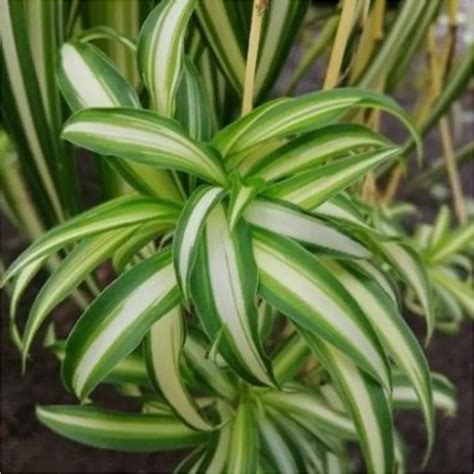
Adding tropical flair to your home is a breeze with the simple addition of a hibiscus plant, which thrives in direct light and temperatures between 55 and 70 degrees F. With gracefully trailing grass-like leaves, spider plants are markedly hardy plants that can grow in a wide range of conditions.
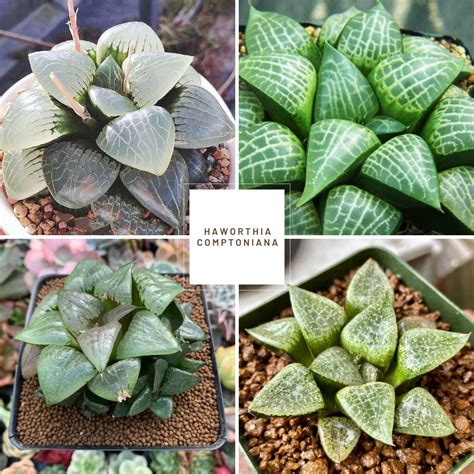
This beautiful plant (Calathea insignis) with uniquely dark stripes is a great addition to a home with pets. Haworthia is a little succulent that's non-toxic to dogs and cats. All these plants are safe for cats and dogs.
Many varieties of true ferns are safe for your pets, like the Boston fern or the maidenhair. The purple waffle plant (Hemigraphis alternata) is another safe option. This unique plant has green leaves that fade to purple.
With fiery blooms in the dead of winter, Christmas cacti are a lovely addition to any home. These plants require little care and readily adapt to low-light conditions. As its name implies, the parlor palm is the quintessential houseplant because, unlike many types of palms, it can handle low light and lower temperatures. It grows in clusters with its elegantly arching, green leaflets forming a feathery canopy.
If beautiful red flowers are your preference, the lipstick plant (Aeschynanthus humilis) is a great choice. Saintpaulia, more commonly known as African violet, has fuzzy green leaves and stunning year-round flowers that bloom in lavenders, blues, pinks, reds, and white.
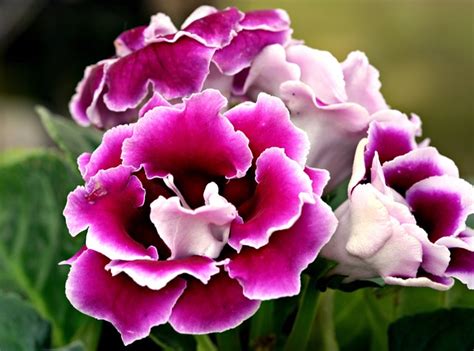
This beautiful flowering plant (Sinningia speciosa) is safe for dogs and cats and may remind you a bit of the African violet.
Popular for their frilly green leaves, Boston ferns are a classic beauty that add charm to any room. These plants do best in a cool place with high humidity and indirect light. A type of air plant, staghorn ferns grow best when mounted on a board and hung on a wall to allow for an exchange of air and moisture.
Toxic Plants to Avoid
If your household boasts pets and houseplants as members, you need to know that not all houseplants are created equal: There are pet-friendly houseplants and toxic houseplants. We honed in on the most poisonous houseplants to help you keep your pets safe in a plant-filled home. Read on to see which houseplants pet owners should avoid and our suggestions for plants that are safe for cats and dogs. If you're a pet owner and have any toxic houseplants listed here, consider swapping them out for pet-safe options.
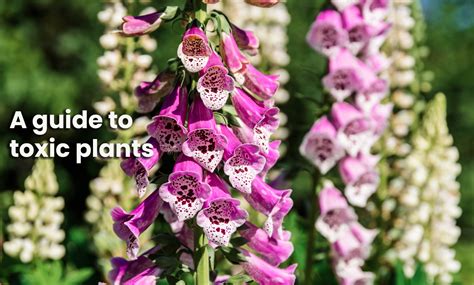
Some non-toxic plants have similarities to toxic ones. However, some "fake" ferns may actually be toxic, like the asparagus fern, which isn't a fern at all. You also want to be careful with herbs, succulents, and palms, since some are safe while others can be very poisonous. The same can be said for daisies (which are toxic to dogs and cats) while African daisies aren't.
Here are some examples of toxic plants:
- Alocasia (Elephant's Ear) | Scientific Names: Alocasia spp.
- Amaryllis (Many, including: Belladonna lily, Saint Joseph lily, Cape Belladonna, Naked Lady) | Scientific Names: Amaryllis spp.
- Barbados Lily (Amaryllis, Fire Lily, Lily of the Palace, Ridderstjerne) | Scientific Names: Hippeastrum spp.
- Begonia (Over 1,000 species and 10,000 hybrids) | Scientific Names: Begonia spp.
- Black Laurel (Dog Hobble, Dog Laurel, Fetter Bush, Sierra Laurel) | Scientific Names: Leucothoe spp.
- Boxwood () | Scientific Names: Buxus spp.
- Buckwheat () | Scientific Names: Fagopyrum spp.
- Buttercup (Butter Cress, Figwort) | Scientific Names: Ranunculus spp.
- Cardboard Palm (cycads and zamias) | Scientific Names: Zamia spp.
- Cherry () | Scientific Names: Prunus spp.
- Chrysanthemum (Daisy, Mum; many varieties) | Scientific Names: Chrysanthemum spp.
- Clematis (Virgin’s Bower, Leatherflower) | Scientific Names: Clematis spp.
- Clivia Lily (Kaffir Lily, Clivies, Caffre Lily, Cape Clivia, Klivia) | Scientific Names: Clivia spp.
- Dock (Sorrel) | Scientific Names: Rumex sp.
- Dog Hobble (Dog Laurel, Fetter Bush, Black Laurel) | Scientific Names: Leucothoe sp.
- Dogbane Hemp (Bitterroot, Indian Hemp) | Scientific Names: Apocynum spp.
- Dracaena (Corn Plant, Cornstalk Plant, Dragon Tree, Ribbon Plant) | Scientific Names: Dracaena spp.
- Eastern Star () | Scientific Names: Dianthus spp.
- Fern Palm (Sago Palm, Cycads) | Scientific Names: Zamia spp.
- Fetter Bush (Dog Laurel, Dog Hobble, Black Laurel) | Scientific Names: Leucothoe spp.
- Fetterbush (Staggerberry, Maleberry) | Scientific Names: Lyonia spp.
- Fire Lily (Amaryllis, Barbados Lily, Lily of the Palace, Ridderstjerne) | Scientific Names: Hippeastrum spp.
- Good Luck Plant (Shamrock Plant, Sorrel) | Scientific Names: Oxalis spp.
- Japanese Yew (English Yew, Western Yew, Pacific Yew, Anglo-Japanese Yew) | Scientific Names: Taxus sp.
- Klamath Weed (St. Leatherflower (Clematis, Virgin's Bower) | Scientific Names: Clematis sp.
- Lily of the Palace (Amaryllis, Fire Lily, Barbados Lily, Ridderstjerne) | Scientific Names: Hippeastrum spp.
- Locust () | Scientific Names: Robinia spp.
- Maleberry (Staggerbush, Fetterbush) | Scientific Names: Lyonia sp.
- Mint (Garden Mint) | Scientific Names: Mentha sp.
- Mum (Chrysanthemum, Daisy) | Scientific Names: Chrysanthemum spp.
- Naked Lady () | Scientific Names: Amaryllis spp.
- Periwinkle (Running Myrtle. Ribbon Plant (Corn Plant, Cornstalk Plant, Dracaena, Dragon Tree) | Scientific Names: Dracaena spp.
- Ridderstjerne (Amaryllis, Fire Lily, Lily of the Palace, Barbados Lily) | Scientific Names: Hippeastrum spp.
- Scented Geranium (Geraniums) | Scientific Names: Pelargonium sp.
- Shamrock Plant (Good Luck Plant, Sorrel) | Scientific Names: Oxalis spp.
- St. Staggerbush (Fetterbush, Maleberry) | Scientific Names: Lyonia sp.
- Tulip () | Scientific Names: Tulipa spp.
- Virgin's Bower (Clematis, Leatherflower) | Scientific Names: Clematis sp.
- Weeping Fig (fig, indian rubber plant) | Scientific Names: Ficus sp.
- Wisteria () | Scientific Names: Wisteria spp.
- Yew (japanese yew) | Scientific Names: Taxus spp.
- Yucca () | Scientific Names: Yucca spp.
The popular pothos plant is a great easy-care option for plant parents, but you'll want to keep your pets-especially cats-clear of it. Monstera-also called Swiss cheese plants, for obvious reasons-are popular with plant parents, but these tropical beauties aren't great for pets. Peace lilies are one of the most infamous plants for pet owners. Also known as dracaena and dragon tree.
Sago palms are definitely among the do-not-have plants if you have pets.
Tips for Harmonious Living
Convincing your pets and houseplants to live in harmony can be a challenge. Even "safe" plants can make your pets sick if they eat too much of them. Of course, that's not too great for the plant, either.
Keep unsafe plants in off-limits spaces. If you're keeping toxic plants, put them in areas closed off from your pets or make them unreachable, such as on high shelves on a bookshelf, or in a bathroom or spare bedroom that's kept shut.
Ensure pets are safe when they're unsupervised. Crating or blocking your pets from areas with plants can help ensure they can't eat them when you're not around.
Cover the soil. If your pets are diggers, keep them from tearing up the soil by covering the soil with shells, pebbles, tin foil, or other materials that won't feel good under their paws.
Offer alternatives to dig or chew. Make plants less enticing by offering pets alternative spots where they can scratch or chew, like chew toys, scratching posts, or even a "digging spot" in the garden.
Use spray deterrents.
