In many regions of the world, safe, clean, potable water services are a luxury that’s only available to very few.
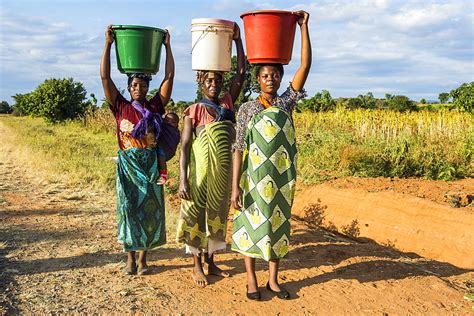
Water collection is a major burden in many countries. Women and girls are often most heavily impacted by lack of access to water. In many regions of Africa, for instance, they are responsible for collecting water, and they use it the most in their daily tasks.
Fetching water is a demanding task, particularly in Sub-Saharan Africa where it is common for people to spend over 30 minutes for a single water fetching trip. These durations include travel to the water source, queuing, filling containers, and the return journey.
Gender Disparities in Water Collection
This task falls mostly on women and girls, who, in nearly 80% of households lacking direct water access, bear the primary responsibility for water collection. In some countries in Africa, the percentage of women responsible for water collection drastically exceeds that of men.
The time they spend collecting this rare commodity can’t be spent on other tasks that could provide income. In the worst cases, girls also have to focus on getting water and stop going to school.
Read also: Experience Fad's Fine African Cuisine
Impact of Improved Water Access: The Zabzugu Example
As head of Ferrovial’s Social Infrastructure program, I’ve had the opportunity to participate in numerous projects that provide access to drinking water in different parts of Africa.
In Zabzugu, more than half of the communities did not have enough water supply. For many women, much of their daily activities revolved around getting it: they had to travel an average of four to five kilometers to reach water sources. Once there, they drew the water by hand, a process that is tiring and, above all, very slow.
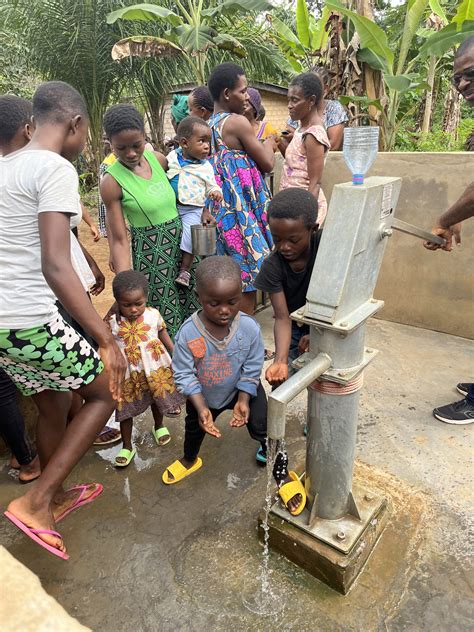
Today, the situation in Zabzugu is different. After Ferrovial and World Vision mechanized four wells using solar energy, the vast majority of homes are 500 to 700 meters from the nearest source of drinking water. With the mechanized wells, the time spent on water collection has also been reduced.
The primary beneficiaries are children, who suffer the most from infectious diseases that can spread through improper water treatment. For them, having safe systems is essential: each year worldwide, around half a million children die due to diarrheal diseases that are associated with lack of hygiene.
Why Water Scarcity is Holding Women Back
Families have also seen financial benefits: women have time for more productive tasks, and fewer illnesses means fewer missed workdays.
Read also: The Story Behind Cachapas
Broader Initiatives and Considerations
Zabzugu is not the only project that has improved women’s position via access to water in Africa. We’ve also participated in others in countries like Zimbabwe, Kenya, and Tanzania. These changes begin at the moment the project is conceived. That’s why women are given a significant place in decision-making.
Another important point for improving women’s and especially girls’ well-being is the creation of separate bathrooms with good hygienic conditions in schools.
Ferrovial’s Social Infrastructure Program
Since it was created in 2008, the Social Infrastructure program has made it possible to improve the daily lives of more than 235,000 people in Africa and Latin America by creating infrastructure that improves access to drinking water.
Source: UNICEF/WHO report Safely managed drinking water, 2017
Read also: Techniques of African Jewellery
