African wedding suits are a vibrant expression of culture, tradition, and personal style. They represent not only the groom's attire but also a deep connection to ancestral roots and community identity. Wedding suits in Africa are available in various designs, and each one is unique and influenced by the groom's personality, style, and preference.
Wedding suits in Africa are made from different materials depending on the culture and region. Some of the common fabrics include cotton, silk, and polyester. Cotton is known for its breathability and comfort, hence its popularity. Silk, on the other hand, is known for its smooth texture and luxurious feel. Polyester is preferred for its affordability and durability.
Traditionally, wedding dresses are worn by brides, while wedding suits are attires for grooms and other male wedding guests. They are made in line with contemporary suit designs, hence the resemblance to western suits. In terms of style, they are less flowy and vibrant than wedding dresses.
When it comes to wedding suits, color coordination is key. Choosing complementary colors that harmonize with the wedding's overall theme and palette is essential. Classic combinations like navy blue suits with crisp white shirts and burgundy ties exude timeless elegance.
Incorporating patterns and textures can add depth and visual interest to the wedding suits. Subtle patterns like pinstripes or checks can be incorporated into the suit fabric, while paisley or geometric patterns can be chosen for ties and pocket squares.
Read also: Experience Fad's Fine African Cuisine
The choice of fabric and texture plays a significant role in the overall look and feel of the wedding suits. Lightweight fabrics like cotton and linen are ideal for warm-weather weddings, providing comfort and breathability. Different textures can also be explored to create a unique aesthetic. Smooth and sleek fabrics like satin or silk can add a touch of luxury, while textured fabrics like seersucker or chambray can bring a more relaxed and casual vibe.
Accessories play a crucial role in enhancing the wedding suits and completing the overall look. Ties and bow ties are essential for adding color and personality to the attire. Choose ties that complement the suit's color and pattern, or opt for a bold, contrasting tie for a statement look. Pocket squares are another excellent accessory for adding a pop of color and pattern to the suit jacket.
Other accessories to consider include cufflinks, lapel pins, and belts. Cufflinks add a touch of sophistication and can be personalized with initials or meaningful symbols. Lapel pins, such as flowers or geometric shapes, add a stylish flair to the suit jacket.
In the context of weddings, matching suits also have strong cultural significance, as they symbolize unity, commitment, and harmony between partners. In many cultures, the act of matching clothing signifies a deep bond and partnership, reflecting the couple's intention to work together as a team in marriage. For instance, in some African cultures, couples may choose matching wedding suits that incorporate traditional patterns, colors, or fabrics representing their ethnic group or family lineage.
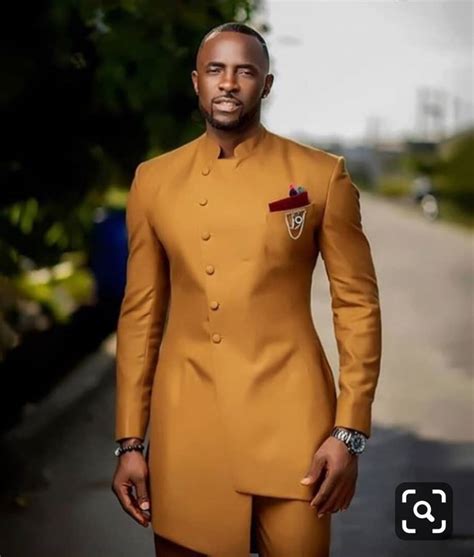
Regional Variations in African Wedding Suits
African wedding suits vary depending on the region in Africa. The groom's family buys the bride's wedding suit in Kenya. It is an expensive, stylish outfit made of quality materials. It can be a two-piece suit with trousers and a jacket or a three-piece with an additional waistcoat.
Read also: The Story Behind Cachapas
The jacket is slim-fitting with peak or notched lapels. The trousers are slim-fitting. They can be cuffed or not. Waistcoats are usually worn under the jacket, but they can be worn alone. The suit comes in solid colors like black, blue, or grey. It can also have bold patterns like stripes or checks. The wedding suit is well-tailored, and the fit is perfect. It is a symbol of status and wealth.
The wedding suits in Nigeria are elaborate and luxurious. They are made of quality fabrics like silk, velvet, or brocade. The suits have intricate embroidery or beading. The groom's family buys the wedding suit, and it is an important part of the wedding ceremony. The suit has a fitted jacket with wide lapels and matching trousers. They are usually worn with a shirt and tie. The shoes are formal and leather.
Traditionally, the groom's family buys the bride's wedding suit in Tanzania. The suit is usually a well-tailored, slim-fit suit in solid colors like black, navy, or grey. It has peak or notched lapels and matching trousers. The suit is worn with a dress shirt, tie, and leather shoes. The wedding suit is an important part of the wedding ceremony.
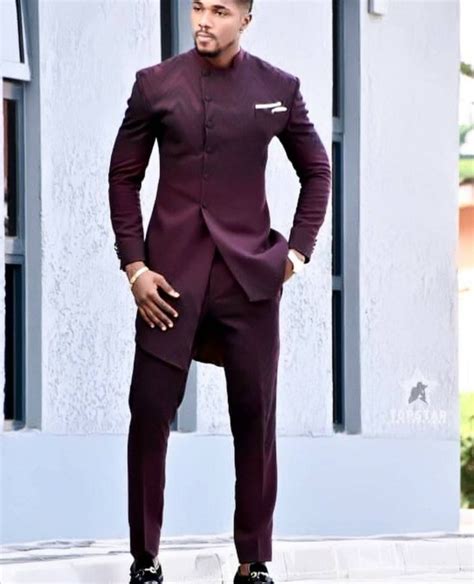
Diverse Styles of African Wedding Suits
African wedding suits are available in various designs, and each one is unique and influenced by the groom's personality, style, and preference. The groom's suit is usually tailored to fit him perfectly, with emphasis on broad shoulders and slim waist.
Here are some examples of diverse styles:
Read also: Techniques of African Jewellery
- Asymmetric Design: This one has an asymmetric design, which is a line of fashion that is not symmetrical. It is often seen in the fashion industry, and the wedding suit will have an asymmetric lapel, hem, or detailing.
- Bold and Vibrant Color Scheme: The suit is made from fabric with a traditional African pattern. The design incorporates elements of modern fashion, but the traditional patterns are still dominant. The jacket is usually a single-breasted one and has a slim-fit design. The trousers are tailored to have a straight-leg fit. The jacket may have a peak lapel or shawl lapel.
- Sleek and Modern: This wedding suit design is sleek, and the lines are clean. It has metallic accents, and the fabric looks like it has been made from high-tech materials. The jacket may have unusual closures or pockets that are not normal. The colors are usually black, silver, and other dark colors.
- Simple and Elegant: This suit design is characterized by simplicity, and it emphasizes the groom's natural elegance. It does not have loud colors or patterns, and the suit is usually made from high-quality fabric such as wool or silk. The suit is tailored to fit perfectly, and the details are very minimal. The jacket may have a subtle sheen or have a very classic lapel.
- Daring and Unconventional: It is a daring and unconventional style. It often pushes the boundaries of traditional African fashion. This suit may feature unique cuts, asymmetrical designs, or unexpected details like oversized lapels, unusual closures, or bold textures.
- Retro-Inspired: This suit draws inspiration from past decades, incorporating classic elements from specific eras. This design may include retro details like peak lapels, high-waisted trousers, or vintage fabrics like brocade or tweed.
- Minimalist: This suit focuses on clean lines and understated elegance. It often features a solid color, subtle textures, and minimal embellishments. The suit is tailored to perfection, emphasizing simplicity and sophistication.
Frequently Asked Questions
Here are some common questions about African wedding suits:
- Are African wedding suits only for grooms?
No, African wedding suits are not only for grooms. They are also worn by other male family members and friends who are part of the wedding ceremony and those attending the wedding as guests. - What do wedding suits in Africa represent?
Wedding suits in Africa are a representation of culture, tradition, and identity. They exhibit the unique styles of each ethnic group and the values it holds. Wearing them during weddings signifies a deep connection to one's ancestral roots and the collective identity of the community one hails from.
Note: The following options can be requested via the order checkout page in the "ORDER NOTES" section: Want Top Only? Need a different color? Want Jacket Only? Want Shirt Only? Want Top & Pants Set?