African women’s clothing styles are as diverse as Africa itself, with each region and culture offering its unique designs, fabrics, and influences. African women’s clothing styles are influenced by different cultures, traditions, and modern trends. Plus size African dresses are available in different sizes and types, each one with its unique characteristics and suitable for various requirements.
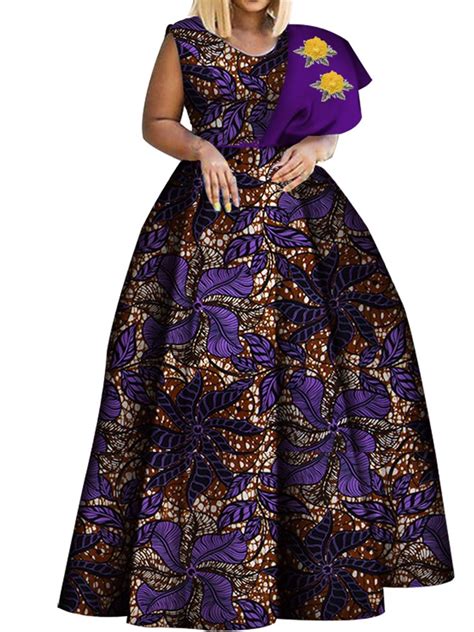
When wearing and matching plus-size African dresses, it's important to highlight the vibrant culture and unique styles of the continent while ensuring comfort and confidence. Let's explore some popular styles and how to make them work for you.
Popular African Wear Styles
Kente Cloth Dresses
Kente cloth dresses are colorful and made from handwoven fabric. They come from the Akan people in Ghana. The dresses have bold, geometric patterns and are worn for special events like weddings and festivals. They show pride in one's culture and history.
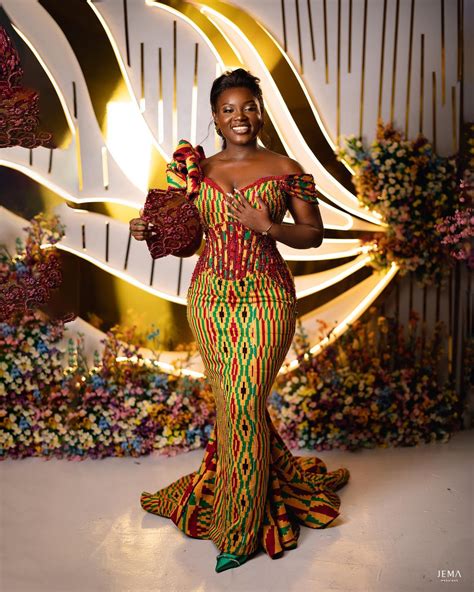
When wearing Kente cloth dresses, consider accessorizing with simple jewelry to not overwhelm the intricate patterns.
Dashiki Tops and Dresses
Dashiki tops and dresses are colorful and have intricate neck embroidery. They come from West Africa and are worn by both men and women. The name "dashiki" comes from the Yoruba word "dasi," meaning "to cover." The clothes are loose-fitting and comfortable, perfect for hot weather.
Read also: Experience Fad's Fine African Cuisine
Ankara Print Dresses
Ankara print dresses are bright, patterned dresses made from African wax fabric. They have unique and bold designs. These dresses are popular in several African countries for casual and formal events. They are comfortable to wear and are ideal for everyday use and special occasions like weddings.
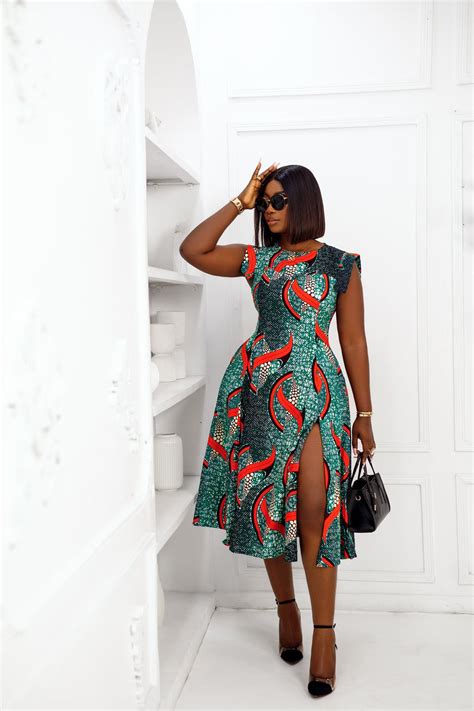
For Ankara styles, mix and match with solid-colored accessories to balance the bold prints.
Shweshwe Dresses
Shweshwe dresses are made from a unique, printed fabric from South Africa. The name "Shweshwe" comes from a Lesotho king who received the fabric from a French trader. The dresses have intricate, geometric patterns and are worn for cultural and formal events. They represent South African heritage and are loved for their quality and comfort.
Boubou Dresses
Boubou dresses are flowing robes from West Africa. They are loose-fitting and have wide sleeves. The dresses are often made from brightly colored fabrics. Boubou dresses are worn by women and men and are popular for formal and traditional events. They represent African culture and are a symbol of unity and pride.
Agbada Dresses
Agbada dresses are elaborate, flowing gowns from Nigeria. They have wide sleeves and are often worn by men. Women wear a variation called "bubba." The dresses are made from high-quality fabrics and are popular for weddings and ceremonies. Agbada dresses represent African fashion and are a symbol of elegance and luxury.
Read also: The Story Behind Cachapas
Specific Dress Designs
Wrap Dresses
Wrap dresses are common and popular for their adjustability and style. It is made with a piece of fabric that wraps around the body and is tied in the front. The design creates a V-neckline and emphasizes the waist while the skirt part flows freely.
Fit-and-Flare Dresses
These dresses are made to fit the body part and flare out from the hips. The design can be achieved through a fitted bodice and a full skirt, either by gathering or pleating. It is ideal for plus-size individuals because it accentuates the waist and hides the hips and thighs.
Empire Waist Dresses
Empire waist dresses have a high waistline that sits just below the bust, and the skirt part flows down from there. The design elongates the body and is perfect for plus-size individuals with wider hips and shorter legs.
Maxi Dresses
Maxi dresses are long, flowing dresses that reach the ankles or feet. The design is loose-fitting and can have various necklines and sleeves. It is ideal for plus-size individuals because it provides full coverage and can be layered for different seasons.
A-Line Dresses
A-line dresses are fitted at the top and loose at the bottom, looking like an 'A' shape. The design emphasizes the bust and narrows the hips and thighs, making it suitable for plus-size individuals.
Read also: Techniques of African Jewellery
Off-the-Shoulder Dresses
Off-the-shoulder dresses have a neckline that sits below the shoulders, exposing the collarbone and upper arms. The design usually has elastic or straps to hold the dress in place. It is ideal for plus-size individuals who want to highlight their upper body.
Matching and Accessorizing
When picking an outfit, an individual's skin tone is a vital aspect to consider. Brightly colored attires such as yellow, orange and red are ideal for dark-skinned people. However, dark shades like black, brown and blue are better suited for lighter skin tones.
One key suggestion is to accessorize with statement pieces that complement the dress's colors and patterns. Bold jewelry, such as chunky necklaces or earrings, can add a touch of elegance and personal style. Additionally, a well-chosen handbag or clutch can enhance the overall look. Footwear also plays a crucial role in completing the outfit. Strappy sandals or espadrilles are perfect for a casual, summery look, while heels or stylish flats can elevate the dress for a more formal occasion.
Another important aspect is layering. Depending on the weather and occasion, adding a tailored blazer, denim jacket, or lightweight cardigan can transform the look and provide additional structure. For those with a more eclectic style, mixing and matching different patterns and textures can create a unique and personalized look. Pairing an African dress with a printed scarf or a textured belt can add depth and interest to the outfit.
Fabrics like kente and ankara are renowned for their intricate patterns and have cultural significance. Kente has, for instance, unique patterns that are linked with particular stories or themes. Similarly, the choice of a pattern may reflect personal or cultural identity.
Many African clothing styles are adorned with beads, sequins, and embroidery. These additions raise the social status of an individual or signify their cultural heritage. For instance, the Maasai people of Kenya and Tanzania are known for their beaded jewelry and attire. Embroidery can also carry specific symbols or patterns that have cultural relevance.
African clothing styles have different silhouettes that are almost free from constraints. These silhouettes, which are mostly free-flowing, include the A-line, boxy shape, and asymmetrical cuts. For instance, the boubou has an A-line silhouette, while the kaftan is boxy. The free-flowing silhouettes are comfortable and easy to wear.
African clothing styles make use of a wide range of fabrics and textures. From the handwoven kente cloth of Ghana to the lightweight cotton of the boubou, the fabrics used are diverse. The use of texture in clothing can add depth and interest to an outfit. For example, combining a smooth cotton top with a textured kente skirt can create a visually appealing look.
Many African clothing styles have deep cultural roots. The choice of design elements can reflect one's cultural heritage or community. For instance, the isiagu shirt is a symbol of Igbo culture in Nigeria. Similarly, the choice of style can reflect personal or familial history.
Many African clothing styles have been adapted to suit contemporary fashion trends. This has led to the incorporation of Western influences while still maintaining traditional elements. For example, the ankara fabric is now used to make Western-style dresses and tops.
Accessories are an important part of African fashion. Headwraps, jewelry, and bags can enhance and complement an outfit. For instance, a headwrap in a contrasting color can add a stylish touch to a boubou. Accessories can also be a reflection of personal style and preference.
Wearing the latest African fashion is a way of expressing culture, creativity, and personal style. Usually, individuals should select attire that resonates with their personality and the event they are attending. Also, vibrant patterns and prints such as Kente or Ankara can be outstanding choices for casual outings or festivals. Moreover, they make a bold statement and celebrate African heritage simultaneously. In addition, opting for pieces like wrap skirts or off-shoulder tops adds a contemporary twist to traditional styles. More importantly, individuals should pay attention to the fit and comfort of the garment.
Matching African dresses with accessories requires consideration of color, pattern, and style. For instance, individuals should select accessories that complement the dress's vibrant colors without clashing. Also, they should opt for jewelry pieces such as earrings and necklaces that are in harmony with the dress's design. Further, they should avoid overwhelming patterns. In addition, they should consider adding a statement piece like a beaded necklace or a headwrap that complements the overall look. More importantly, the footwear should be comfortable and stylish, such as sandals or heels. This enhances the attire's elegance.
Matching African dresses with hairstyles requires consideration of the dress's color and style. Usually, bold and vibrant dresses pair well with hairstyles that are equally striking. Such as intricate braids or a high puff that complements the outfit's colors. Also, for dresses with detailed patterns, simpler hairstyles like a sleek bun or braids help focus attention on the dress's design. In addition, individuals should consider the neckline and details of the dress. This decides if they should wear their hair up or down. More importantly, accessories like headbands or scarves should harmonize with the dress. They should enhance the overall look without overpowering it.
Tips for Plus Size African Wear
A1: Options include empire waist, A-line, and peplum dresses that effectively conceal the tummy while accentuating other body parts.
A2: Yes, many plus-size African dresses can be customized or tailored to fit individual body shapes and sizes better.
A3: Select accessories that complement the dress's colors and patterns without overwhelming them. Choose statement jewelry, such as earrings or a necklace, to draw attention to the face. Belts can be used to cinch the waist and create a more defined silhouette.
A4: Yes, many African dresses are made from versatile fabrics that can be layered for cooler weather or worn alone for warmth.
Key Considerations
- Skin Tone: Match colors to your skin tone.
- Patterns and Prints: Choose culturally significant patterns.
- Embellishments: Consider beads, sequins, and embroidery.
- Silhouettes: Opt for free-flowing cuts like A-line or boxy shapes.
- Fabrics and Textures: Combine different textures for visual appeal.
Finally, confidence is key when wearing and matching plus-size African dresses. Embrace the uniqueness of each dress and wear it with pride. Understanding one's body shape and which styles flatter it can significantly boost confidence.
Here's a table summarizing different African wear styles and their characteristics:
| Style | Origin | Characteristics | Occasion |
|---|---|---|---|
| Kente Cloth | Ghana | Handwoven, bold geometric patterns | Weddings, festivals |
| Dashiki | West Africa | Colorful, intricate neck embroidery | Casual, everyday wear |
| Ankara Print | Various African countries | Bright, patterned wax fabric | Casual, formal events |
| Shweshwe | South Africa | Geometric patterns, printed fabric | Cultural, formal events |
| Boubou | West Africa | Flowing robes, wide sleeves | Formal, traditional events |
| Agbada | Nigeria | Elaborate, flowing gowns | Weddings, ceremonies |
