African wall baskets are not just ordinary home decor items; they are beautiful works of art that tell a story of tradition and craftsmanship. Handwoven with intricate patterns and vibrant colors, these baskets are a testament to the rich cultural heritage of African communities. Today, African wall baskets have gained global recognition for their intricate designs and extraordinary craftsmanship. They are valued as decorative pieces that add an eclectic touch to modern spaces.
When you look at an African basket, you see more than just a container. The history of African baskets represent the rich cultural heritage of the makers, showcasing their skills and connecting them to their ancestors. Plus, they’re a nod to the natural world, made from materials that are locally sourced and environmentally friendly.
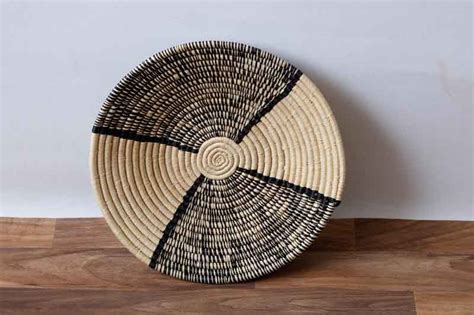
The Ancient Origins of African Baskets
African Baskets go back, way back, even pre-dating pottery. African basket weaving is a rich and diverse craft with a history that spans thousands of years, deeply intertwined with the cultures and traditions of various African societies. Basket weaving in Africa can be traced back to ancient times. Archeologists discovered ‘imprints’ of African baskets in Gambol's Cave, Kenya dating back some 10,000 years - the actual natural materials having long been returned to the earth.
For that reason - the impermanent nature of the material - we may never know the exact date when the first basket was woven. For reference, agriculture was just beginning during this period (the Neolithic era), and we homo sapiens were hunters and gatherers. So, the basket was a natural - we needed something to gather our nuts and berries in, and then it evolved to carry the food we grew from the fields to our tables. And basketry has been evolving with us ever since.
Traditional Techniques and Materials
The weaving of African wall baskets is a labor-intensive process that requires skill, patience, and creativity. Artisans often use locally sourced materials like sisal, grass, and palm leaves.
Read also: Experience Fad's Fine African Cuisine
All over Africa, basket weavers use what’s around them. What’s used to make these baskets can change a lot from one place in Africa to another. It all depends on what kind of plants grow around there. Plus, a lot of the time, these materials are colored with dyes made from natural stuff. That’s how you get those bright and eye-catching patterns that African baskets are famous for.
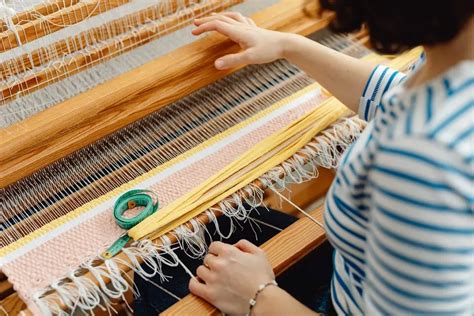
The Basics of Basketry
The basic process involves weaving strands of fibers over and under each other to create the basket. Different techniques are used, such as coiling, plaiting, and twining. It all depends on the region, the locally available materials, and the way it has always been done. Basketry is a skill that is passed down from generation to generation, from mother to daughter.
Once the raw materials are ready, skilled weavers begin the delicate process of transforming them into stunning wall baskets. Weaving techniques vary across regions, but they all involve intricate patterns and meticulous attention to detail.
Women are the future of this industry in Africa, by the way. The women gather the materials in season - palm and banana leaves and sisal fibers, among others. Many types of grasses and leaves can be used. And these are sustainable sources. Every season, the raw material grows again. And by the seasons, the women weave their baskets. When the material is ready, they harvest what they need and dry it. It’s the natural cycle and the respect for nature, the respect for heritage and ancestry, that gives these baskets their depth.
Ịkpa Nkata (African Basket Weaving)
Regional Variations in Basket Weaving
It would be extremely difficult to dive into all the types of African baskets that are available. Weaving and dyeing techniques, as well as materials, vary widely across the continent and even across most of the countries in Africa.
Read also: The Story Behind Cachapas
- Ghana: For example, Ghana is famous for its bright Bolga baskets. These baskets stand out because of their colors and durability.
- South Africa: Down in South Africa, you’ll find Zulu baskets that are known for their intricate designs and fine details.
- Kenya: In Kenya, for example, baskets from the Kitui region east of Nairobi are often made from sisal in solid or in stripes that are created with natural dyes. The sisal fibre is harvested from the center of an agave plant that is native to the area. It is rolled into twine, then woven into a basket.
- Uganda: Just next door, in Kasese in Southern Uganda, their traditional technique involves a geometrical design using a coiled weaving technique, working with palm and banana leaves. And again, the dye is natural, making use of indigenous plants and flowers.
- Rwanda: In neighbouring Rwanda, not that far from Kasese, the baskets are bright and conical and smooth, and the materials run to grasses and reeds. Rwandan women have been making these baskets for centuries, learning the craft from their mothers and grandmothers. But after the tragic events of the Rwandan civil war and genocide in 1994, these baskets took on a new meaning.
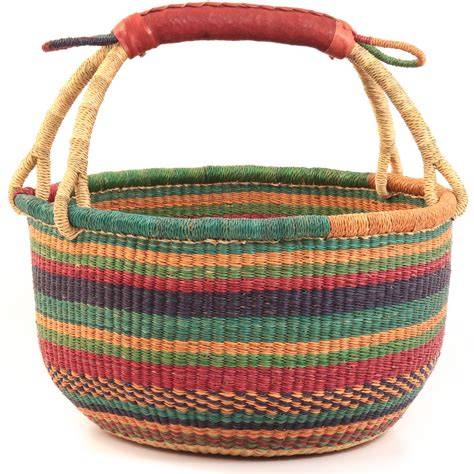
Other regions in Africa work in materials as varied as seagrass to raffia, papyrus, and cane. And colours range from muted and reserved to a kaleidoscope of primary hues with designs as diverse as the materials. The sizes range from larger than a person to a small treasure box. African baskets are made of many shapes, many designs, and many ancestors.
The Cultural Significance of African Baskets
Basket weaving is very important in many African cultures. Often, baskets carry special meanings and are used in important events like weddings. They can be gifts or symbols of people coming together.
Then there are the “wishing” baskets made by the Batwa weavers, as mentioned by Baskets of Africa. There’s a belief that if you wish on something and put it in the basket, your wish will come true.
The Future of African Baskets and Fair Trade
Many ethical organizations, including Obakki, are working with African basket weavers to assist them in developing their businesses in a sustainable fashion. The demand for African baskets started on an uptick in the 1970s but the craft has enjoyed a huge spike in popularity again in the past decade. This is driven, in part, by the remarkable women in Africa who have been forming co-operatives to market their products to global markets. They share marketing costs and ideas, they share workspace and materials, they share issues, and they support each other.
These women are incredible, and it is their drive and commitment that is the future of African baskets. First, they learn their craft by spending hours upon hours as children, watching their mothers and grandmothers weave the baskets. As their mothers’ mothers and grandmothers did. There are layers of stories and layers of love woven into these baskets.
Read also: Techniques of African Jewellery
But make no mistake, these women have many family and community responsibilities and most live in rural areas where they may have to walk for hours to get water for their farms. They are the farmers, the water collectors, the mothers. And they are basket weavers and businesswomen, teachers, and care providers - all in challenging conditions.
The sale of African baskets allows these women to send their children to school and improve the living conditions in their communities. It’s a sustainable, closed-circle craft - the materials come from the earth and go back to the earth. They are helping the environment and their communities by using ancestral skills. And that’s important work.
When purchasing African wall baskets, it's essential to support ethical and fair trade practices.
Transparency and Authenticity
Do be careful that you are getting a real, hand-crafted African basket. Purchase from organizations and companies that engage in fair trade and transparency. You should know where your basket comes from and who made it. And you should be confident that the artisans are compensated fairly before you reach for your wallet. When you look at your basket, think of the thousands of years of knowledge, of trials and error, of family connections, that have been woven into the strands. With intention. With skill. With feeling. No matter which shape, which colour palette, which pattern - your basket is something that is personal.
