African cuisine is renowned for its vibrant flavors and diverse culinary traditions. Tomato sauce, a staple in many African dishes, varies greatly from region to region, each offering a unique taste experience. From the spicy pepper sauces of West Africa to the rich stews of North Africa, there's a tomato sauce recipe to suit every palate. Let's explore some of these delightful recipes and the techniques that make them special.
West African Spicy Tomato Sauce: A Fiery Delight
Spicy tomato sauces are a common staple in a lot of West African cuisine as is seafood. West Africans love their seafood since a number of West African countries have cities existing along the coast of the Atlantic ocean so It is not at all uncommon to find West African sauces and stews inundated with a medley of seafood delicacies. As a matter of fact, seafood is so popular in West Africa that powdered dried shrimp or crayfish is often used and sold commercially as a seasoning for native sauces, soups and stews.
To bring the essence of a West African cuisine into my cooking, I put together this West African Tomato Sauce using shrimp and palm oil. This tomato sauce is commonly paired with any starchy side like rice, potatoes, West African yams, and plantain. You could even be interesting and eat it with pasta. I served mine with fried plantains and home french fries and of course it wouldn’t be legitimately African without that extra touch of heat that just lends more depth to its fantastic taste!
Here’s a vibrant recipe that captures the essence of West African flavors:
West African Tomato Sauce with Shrimp
This spicy shrimp tomato sauce recipe uses palm oil to bring the essence of West African cuisine into your cooking.
Read also: Experience Fad's Fine African Cuisine
Ingredients:
- 1 medium onion, chopped
- ½ pound of shrimp, peeled and deveined
- 7 Roma tomatoes, chopped
- ½ of a red bell pepper, chopped
- 2 cloves of garlic
- 1 thumb-sized piece of ginger
- 1 habanero pepper, finely chopped (adjust to taste)
- 3 tbsp palm oil
- 2 tsp salt
Instructions:
- In a saucepan, heat palm oil, and simmer onions gently until lightly brown for 20 minutes on low heat (onions should not be caramelized, but only lightly golden brown).
- While the onions are simmering, grind the garlic and ginger into a paste (I use a small mortar and pestle to make the ginger garlic paste, but feel free to use a food processor).
- After the onions have simmered for 20 minutes, add the tomatoes, ginger garlic paste, and pepper, then simmer under low-medium heat covered for another 30 minutes. Stir the sauce lightly every 5 minutes to prevent the sauce from burning.
- While the sauce is simmering, peel and de-vein the shrimp and set aside.
- Once the sauce is almost ready, the oil should start separating from the tomato sauce. At this stage, add the salt and shrimp. Stir and simmer covered for another 5 minutes on low-medium heat.
- Serve hot with desired side.
Tips:
- While annatto oil can be used as a substitute for palm oil in this recipe, using palm oil gives a distinct flavor to the sauce that is more authentic to its West African roots.
- Quite a few West African recipes (like this one) call for a lot of hot pepper, the pepper tends to mellow out in the cooking process. The dish ends up not being as spicy, but the pepper adds a depth of flavor to the dish that would be missing without it.
Nutrition Facts (per serving):
Calories: 107.2kcal
Read also: The Story Behind Cachapas
West African Beef and Tomato Stew (Red Stew)
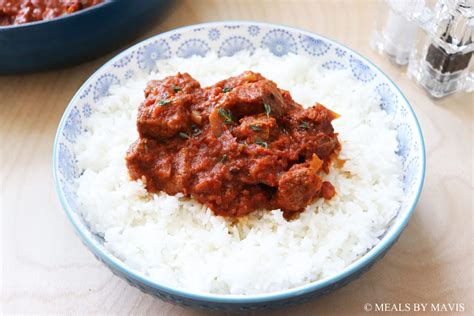
West African beef and tomato stew, also called red stew, is a staple stew in many part of West Africa. Tomato serves as the base for the stew, but the beef can be replaced with chicken (which is actually the most popular version), fish, eggs, you name it. The popularity of red stew is well earned as it’s simply delicious.
Ingredients:
- Beef
- Chopped tomatoes
- Red bell pepper
- Ginger
- Onions
- Scotch bonnet or habanero pepper
- Garlic
- Green onions
- Thyme
- Bay leaves
- Nutmeg
- Whole cloves
- Beef bullion cube
- Black pepper
Instructions:
- Mix all the ingredients for the marinade together in a small bowl. Place the beef in a large mixing bowl and add the marinade to the beef.Use a spoon to coat the beef with the marinade.
- Cover the bowl and place it in the fridge to let the beef marinade overnight or a few hours before you make the stew.
- Heat a deep sauté pan with ½ of the oil on the stove over medium heat. Take the beef out of the fridge, and brown the beef on each side in the sauté pan; you might need to do this in batches. Be sure to shake off the green onions from the beef before placing the beef in the sauté pan. Preserve the green onions for the stew.
- Once the beef is browned, remove the beef from the pan and set aside on a clean plate. Scrap the bottom of the pan to remove the browned bits and set the bits aside for the stew.
- Put the chopped tomatoes, red bell pepper, ginger, ½ of the chopped onions, scotch bonnet or habanero pepper, and 2 tablespoons of water in a blender, and blend until smooth.
- Pour the rest of the oil into the sauté pan. Add the remaining onions and the minced garlic to the pan and sauté until the onions are translucent (about 1 minute).
- Pour the tomato mixture into the pan. Add the preserved green onions, thyme, bay leaves, nutmeg, whole cloves, beef bullion cube (crushed), black pepper, and ¼ cup of water to the tomato mixture. Mix everything together and cover the pan with a lid and cook for 5 minutes.
- Add the beef and the browned bits to the stew, cover the lid and bring the stew to a boil. Turn the heat to low, and let the stew simmer for 1 hour or until the beef is tender and the stew is reduced to your liking.
- If the stew gets too thick for your liking before it's been 1 hours, add a bit of hot water to the stew, and cover the lid and continue to cook on low heat.
North African Zaalouk: A Warming Aubergine and Tomato Dish
Having been to Egypt twice and Morocco once, North African cuisine is perhaps most familiar to me of all the regions in Africa. Furthermore, due to its proximity to Europe and centuries of traders and travellers, North African flavours are far more recognisable in terms of their similarities with certain parts of Europe.
Zaalouk is a popular side dish particularly in Morocco, where it is often served with crusty bread. It consists of stewed aubergine, tomatoes, garlic and spices to create a warming and tasty sauce.
Read also: Techniques of African Jewellery
In my opinion the crusty bread or toast is a must - it’s so good for mopping up the Zaalouk and makes the dish a lovely and healthy lunch option on its own, and is a great way to enjoy aubergine or introduce yourself to the wonderful Mediterranean vegetable if you have not yet tried it.
Zaalouk Recipe
Ingredients:
- Aubergine (eggplant)
- Tomatoes (fresh and tinned)
- Garlic
- Coriander
- Parsley
- Smoked paprika
- Cumin
- Lemon juice
- Olive oil
- Salt and pepper
Instructions:
- Preheat your oven to 200°C/390°F.
- Slice your aubergine straight down the middle lengthways in half. Place on a baking tray and rub with a tiny bit of olive oil. Season with salt and pepper and place into the preheated oven for around 10-15 minutes.
- While the aubergine is roasting, quarter the tomatoes, finely slice the cloves of garlic, and finely chop the coriander and parsley.
- Pour a drizzle of olive oil into a saucepan, and then add all of your other ingredients - the tomatoes (fresh and tinned), garlic, coriander, parsley, paprika, cumin, lemon juice and water.
- Remove the aubergine from the oven once it is slightly blackened and the flesh is softer. Cut the aubergine into chunks about the same size as the quartered tomatoes, and then add to the saucepan with the other ingredients.
- Although not a dish for a main meal on its own, this Zaalouk recipe is great as a side dish or as part of an African feast.
How To Make The Authentic Ghana Local Tomato Stew, This Recipe Is A Game Changer Try It
Shakshuka: A North African and Middle Eastern Delight
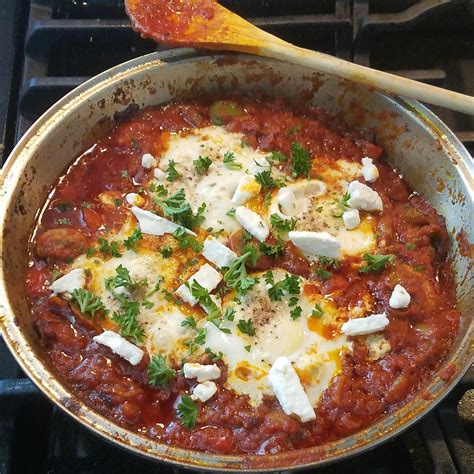
Shakshuka is a dish of eggs poached in a sauce of tomatoes, olive oil, peppers, onion and garlic, commonly spiced with cumin, paprika, cayenne pepper, and nutmeg. It is popular in North Africa and the Middle East and is traditionally eaten for breakfast.
Heat olive oil in a large, deep skillet or straight-sided sauté pan over high heat until shimmering. Add onion, red pepper, and chile and spread into an even layer. Cook, without moving, until vegetables on the bottom are deeply browned and beginning to char in spots, about 6 minutes. Stir and repeat. Continue to cook until vegetables are fully softened and spottily charred, about another 4 minutes. Add garlic and cook, stirring, until softened and fragrant, about 30 seconds. Add paprika and cumin and cook, stirring, until fragrant, about 30 seconds. Immediately add tomatoes and stir to combine.
Using a large spoon, make a well near the perimeter of the pan and break an egg directly into it. Spoon a little sauce over edges of egg white to partially submerge and contain it, leaving yolk exposed. Repeat with remaining 5 eggs, working around pan as you go.
Sprinkle with remaining cilantro or parsley, along with any of the optional toppings.

Shakshuka
Ingredients:
- 2 tablespoons olive oil
- 3 cloves garlic, minced
- 1 medium onion, diced
- 1 teaspoon salt
- 1 teaspoon pepper
- 1 teaspoon turmeric
- 1 teaspoon paprika
- 1 teaspoon cumin
- 2 tablespoons harissa paste
- 2 tablespoons tomato paste
- 28 oz canned diced tomatoes (795 g)
- 5 large eggs
- Finely chopped fresh parsley, for garnish
- 1 loaf bread, sliced, for serving
Instructions:
- In a large cast-iron skillet, heat the oil over medium heat. Add the garlic and onion and cook until the onions is translucent and the garlic is starting to slightly brown.
- Add the salt, pepper, turmeric, paprika, cumin, and harissa paste and cook until the spices are fragrant, about 1 minute.
- Add the tomatoes and tomato paste and cook for 10-15 minutes, until the sauce has thickened to the point where pressing down with a spoon leaves an indent that holds its shape.
- Taking the back of a large spoon, make 5 large indents into the sauce, using a left-to-right wiggling motion to ensure that the “walls” of the sauce are tall enough to contain an egg.
- Crack an egg into each of the indents, then cook over low heat for 15-20 minutes, until the eggs are done to your liking. To speed up the process, cover the skillet with a lid.
- Sprinkle with chopped parsley, then remove the pan from the heat. Serve with crusty bread to mop up all the sauce.
Nutrition Facts (per serving):
- Calories: 204
- Fat: 8g
- Carbs: 19g
- Fiber: 2g
- Sugar: 8g
- Protein: 11g
Obe Ata: A Versatile Nigerian Pepper Sauce
Obe ata is a versatile Nigerian pepper sauce that can be used as a base for stews, a dip, or a condiment. Its main ingredients are red bell peppers, hot fresh chile peppers like habaneros (or Scotch bonnets), tomato, onion, and garlic. The charm and mystique of obe ata come from its straightforward preparation, which requires a special touch to unlock deeper levels of nuance.
Obe Ata Recipe
Ingredients:
- Red bell peppers
- Habanero or Scotch bonnet peppers
- Tomato
- Onion
- Garlic
- Palm oil
- Chicken stock
- Canola oil
- Curry powder
- Cameroon pepper
Instructions:
- Preheat oven to 400°F (200°C) and set oven racks in the top- and bottom-third positions.
- In a large bowl, toss red bell peppers with 2 tablespoons (30ml) palm oil. Season with salt. Transfer in an even layer to one of the rimmed baking sheets.
- In the same large bowl, toss garlic, tomato, Fresno chile, habanero, onion, and ginger with 4 tablespoons (60ml) palm oil. Season with salt.
- Transfer vegetable purée to a Dutch oven. Stir in chicken stock, remaining 3 tablespoons (45ml) palm oil, canola oil, curry powder, and Cameroon pepper. Bring to a simmer.
- Season lightly with salt, then simmer until sauce is reduced to a good stew-like thickness that can coat pieces of meat well, about 1 hour.
- If serving with chicken, add cooked chicken to the Dutch oven and simmer until chicken is warmed through, about 15 minutes.
Homemade Tomato Sauce: A Versatile Base
Making your own tomato sauce from scratch is a rewarding experience. Here’s how to create a versatile and healthy sauce that's cheaper than store-bought versions.
Easy Homemade Tomato Sauce
Ingredients:
- Tomatoes (Roma, San Marzano, or local varieties)
- Olive oil
- Onion
- Garlic
- Tomato paste
- Salt, pepper, and herbs to taste
Instructions:
- Halve and quarter the tomatoes. Remove the seeds, if desired. Keep them uniform in size so they cook evenly.
- Heat the olive in a heavy bottom pan. Sautée the onion and galic until golden until golden.
- Push the onions to one side of the pan, add in the tomato paste. Allow to caramelize in the pan for about 5 minutes.
- Bring the temperature up to a boil, then reduce the heat to a low simmer. Simmer the tomatoes covered for about 15 minutes. Then remove the cover, stir and continue to cook for an additional 15 - 20 minutes. Stir often. Allow the sauce to reduce and thickened.
- Now slowly ladle the tomato sauce into a food mill. Slowly turn the handle and pass the sauce through the mill. One pass through will give you a chunky sauce. If you'd like a smooth sauce I would advise pulsing the sauce in a food processor or use a immersion blender.
