As we approach the end of summer, and tomato plants are offering their last fruits, it's a great time to explore creative ways to use tomatoes. One such way is by making African salads. Today, I will be sharing the recipe for kachumbari.
Kachumbari is a tomato and onion based salad that is part of the cuisine of Kenya, Tanzania and other neighboring countries. It is commonly eaten in East African countries like Kenya, Tanzania and Uganda. It is also referred to as Kenyan salad and Tanzania kachumbari. Some say it is the East African twist on salsa, and so call it kachumbari salsa. Kachumbari can be eaten as a side dish or as an appetizer for a main meal.
This salad is also great as a side dish for grilled meats. Pair this refreshing side salad with the warm, vibrant cuisine of East Africa, like our Tanzanian BBQ Skewers. However, this tangy Kenyan tomato and onion salad will add an amazing burst of flavour to any dish. Light, fresh, and with a hint of heat, vibrant kachumbari is a staple tomato salad in many East African countries including Kenya, Tanzania, and Uganda, to name a few. It adds a burst of fresh flavor to the simplest of dishes.
Tomatoes and onions always serve as the base for kachumbari. However, cilantro, avocado, and cucumber are also commonly included in the dish. Seeded habanero or scotch bonnet peppers are added in some variations of the dish.
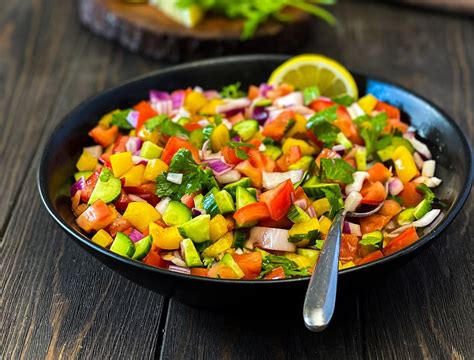
Kachumbari: East African Tomato and Onion Salad
Kachumbari is an East African fresh tomato and onion-based salad which is perfect as an appetizer for main meals. In its simplest form, the East African salad features ripe juicy tomatoes, crunchy raw onion, spicy fresh chiles, and a hint of acid from fresh lemon or lime juice. I first learned to make kachumabri in Kenya, where it’s often served alongside nyama choma (grilled meat) and ugali, or paired with hearty rice dishes like pilau. While it's often enjoyed as an accompanying salad, it’s also a popular topping for street food dishes, such as mayai pasua (halved hard boiled eggs), smokies (halved grilled sausage), or rolex, mutura (blood sausauge).
Read also: Experience Fad's Fine African Cuisine
I often tell those unfamiliar with kachumbari to think of it as pico de gallo’s less oniony cousin. Similar to the salsa, the beauty of kachumbari is its versatility. As with any tomato salad that relies on just a handful of fresh ingredients, the key to optimizing kachumbari’s flavor is not just in the quality of the produce you use, but also how the vegetables are prepared.
How to Make the Famous Kenyan Kachumbari with a Twist | Healthy Salad| Kachumbari Recipe
Tips for the Best Kachumbari
This five-ingredient tomato salad is easy to assemble, but we use a couple of science-backed tricks in this recipe to build the most flavorful version possible.
- Start with fresh tomatoes, preferably plum. When I first learned to make kachumabri in Kenya years ago, I learned that plum tomatoes are the most widely available variety in the country, and it’s why I use them in my recipe here. The firm, not-too-watery texture of plum tomatoes works perfectly for this salad, but really any fresh, in-season tomato that you enjoy sliced up and served raw in a salad will work well here.
- Briefly salt the tomatoes. We’ve written before about how even the best tomatoes can be vastly improve with salt. Salting facilitates osmosis, the process that draws liquids-in this case, tomato juice-from the interior of the tomato's cells through the cell walls to the surface of the tomato. More simply put, salting the tomatoes and letting them sit for just 15 minutes causes them to release their juices, which results in a final salad that's less watery and more intensely flavored than when made without salting them.
- Soak and rinse the onions. The combination of fresh onions paired with sweet tomatoes is this salad’s defining flavor profile. But to tone down the sharp flavor of the onion so it doesn't overwhelm the tomato, I recommend briefly soaking and rinsing the onion slices in warm water before adding to the salad. Make sure the water is warm to the touch-tap water that’s about 110℉ should be fine-as Kenji points out in his onion prep guide. The speed of chemical and physical reactions increase with temperature, so using warm water causes onions to release their volatile compounds faster than if using cold water. It only takes about one minute to rid even the most pungent onions of their kick.
- Add peppy flavor. Fresh serrano chile adds just the right hint of heat here. You can dial in the heat level to your liking by either leaving the seeds and veins in or removing them before slicing for a less spicy version. I prefer a spicier serrano chile, but milder jalapeño will work just as well.
- Bulk up the salad with your favorite fresh additions. My recipe below is a classic version of kachumbari, but feel free to experiment with additional ingredients like avocado, and/or cucumber, or any other salad ingredients you love.
Recipe for Kachumbari
You can finely chop the ingredients, as I’ve done here, or slice them thinly for this salad. The recipe is on the printable recipe card below.
Ingredients:
- Fresh tomatoes
- Onions
- Chili
- Lemon
Instructions:
Read also: The Story Behind Cachapas
- Chop the onions, pour in a bowl and add enough water to cover.
- Add a few drops of the lemon into the water.
- Leave for 10 mins, then pour in a colander to drain.
- Wash and chop the tomatoes, coriander, cucumber, avocado and chilli.
- Add into a bowl with the chopped onions.
- Squeeze the juice from the lemon and keep aside.
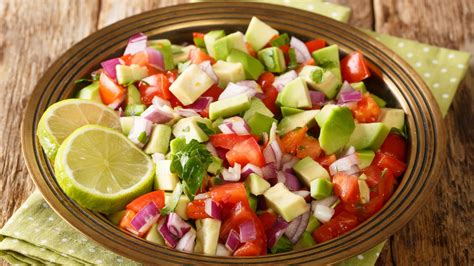
Alternative Kachumbari Recipe
Put the chopped red onions in a small bowl, add salt, cover with water and let sit for 30 minutes to reduce the oniony taste.
When it’s time to make the salad, strain the water from the onions.
In a salad bowl, add the onions, tomatoes, cucumber, avocado, cilantro, and habanero pepper.
In a large bowl, cover onion with hot water (110 to 130℉) and let sit for 1 minute. Place chopped tomatoes in the now-empty colander set over the now-empty large bowl and season with 3/4 teaspoon kosher salt. Toss to coat.
Discard juice from bowl, and transfer the tomatoes to the now-empty large bowl. Add the rinsed onions, serrano, cilantro, and lemon or lime juice. Season with salt and extra lime or lemon juice to taste, if needed. Common additions include diced cucumber and diced avocado.
Read also: Techniques of African Jewellery
Serving and Storing Kachumbari
Kachumbari is best enjoyed fresh, but it can be stored at room temperature for up to 1 hour or refrigerated for up to 1 day before serving. Refrigerate any leftovers in an airtight container for up to 1 day.
Additional Tips
- To slice or chop: How you prepare the vegetable is a matter of preference. You can slice or chop the vegetables depending on what you find easier. I prefer chopped vegetables in this salad because I find it easier to scoop with a spoon.
- Onion: I find raw onion, which is one of the main ingredients of this Kenyan salad overpowering. If you are like me and want take reduce the bite off the onions; you can either soak it in cold water for 10 mins with either salt or lemon. I soaked the onions in lemon for this recipe and at the end, I had slightly tangy, mellow onions which worked perfectly with the sweet and tangy taste of the other ingredients in the salad.
- Added Vegetables: Traditionally kachumbari is prepared with tomatoes, onions and chilli, but you can add other vegetables. I added avocado for some creaminess, be creative and add other ingredients of your choice.
A simple dressing of lime or lemon juice, balsamic vinegar, olive oil, honey, salt, and black pepper goes really well with this salad.
This dish doesn't keep well overnight at all so my advice is to make it on the day that you intend to eat it. It's also a good idea to make just enough so that you don't have leftovers.
Enjoy preparing and savoring this refreshing African salad!
