Unveiling the exquisite world of African ceramics and pottery is like embarking on a cultural odyssey. With a rich history dating back thousands of years, these unique art forms carry the traditions, stories, and artistic expressions of diverse African cultures across the continent. African ceramics and pottery have been an integral part of African life for centuries.
These artifacts hold deep cultural significance and are not just functional vessels, but also bearers of profound symbolic meanings. Each African community has its distinct ceramic style and patterns, representing its unique cultural identity.

The Beauty of Traditional Techniques
The beauty of African ceramics and pottery lies in the mastery of traditional techniques. Hand-building techniques, such as coiling and pinch pots, are commonly used. Coiling involves layering coils of clay on top of each other, while pinch pots are created by shaping and moulding the clay with the hands.
In addition to hand-building, African ceramists are also skilled in wheel throwing. The diversity of African ceramics and pottery is evident through the wide range of styles found across the continent. African ceramics have also been influenced by contact with other cultures throughout history.
Arab traders introduced glazing techniques to North Africa, resulting in the distinctive use of colors such as turquoise and cobalt blue.
Read also: Experience Fad's Fine African Cuisine
The Deep Roots of African Pottery
African pottery has been part of life on the continent for over 12,000 years. Long before potter’s wheels spun in other parts of the world, African hands were shaping clay into vessels that were as useful as they were beautiful. They carried water, stored grain, simmered food, and even played ceremonial roles.
As communities traveled and traded, pottery styles evolved. The Igbo of Nigeria crafted terracotta forms with remarkable detail. The Songye in Central Africa favored tall, slim-necked storage jars with graceful curves. And in the south, artisans burnished their pieces until they gleamed like stone.
But beyond function, these pots had soul. They stood for prosperity, lineage, even spirituality. In many cultures, pottery was closely tied to womanhood, family, and the land itself.
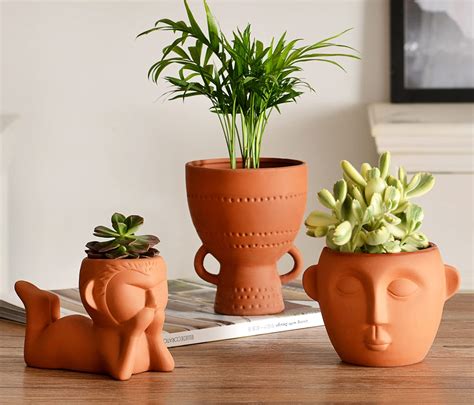
So yes, African pottery is steeped in history-but it’s far from stuck in the past. It’s an art form that continues to evolve, while honoring the knowledge passed through skilled hands across centuries.
From Clay to Masterpiece: African Pottery Techniques
Making African pottery takes patience, muscle memory, and a deep understanding of materials. It’s a methodical process-and one that leaves little room for shortcuts.
Read also: The Story Behind Cachapas
1. Clay: Harvested with Care
The journey begins in the earth. Clay is usually gathered during the rainy season, when it’s easier to dig and mold. It’s not just scooped up, either. It’s kneaded, strained, and worked until it’s smooth and free of debris. This part is essential-any lump or air pocket could ruin the final piece.
2. Shaping Without a Wheel
This is where the magic happens-no machines, just practiced hands. In West Africa, coiling is a favorite method. Long ropes of clay are stacked and smoothed to create shape and structure. In other regions, molds are used-often older pots or carved wooden forms. Either way, it’s all about balance, form, and keeping the walls even.
3. Drying and Decorating
Once formed, the pot dries slowly in the open air. Rushing this step could crack the piece before it ever sees fire. Once dry, decoration begins. Patterns are etched, symbols carved, or textured designs pressed in. Beyond being embellishments, these are signatures. They tell you who made the pot, or where it comes from.
4. Firing the Old-School Way
Instead of kilns, many potters use open fires. Carefully stacked wood, dried straw, and precise timing all play a role. The result? A durable, earthy finish that can survive daily use. In some traditions, pots are polished with wax or animal fat after firing-a burnishing step that leaves them with a soft glow, like you’d see in Zulu pottery.
In order to make pottery women or children have to get the clay first. Clay is found in various places throughout Africa depending on the location. The clay usually has a grainy texture and looks grayish brown. Once the potters collect the clay, they break it up into smaller pieces then leave it out to dry.
Read also: Techniques of African Jewellery
When the clay dries, the pieces get pounded together in a pottery instrument called a mortar. The mortar mashes it together and makes it easier for the potters to remove unwanted rocks or stones. Crushed clay (also called grog) and water is then added in order to reduce drying or cracking and to make the clay the proper consistency.
Women then take the clay and shape and fashion it into the desired shape entirely by hand or they pour the clay into a mold made of wood, calabash or pottery. The potters use several different tools to construct the designs on the pottery.
Potters engrave ridges along the edges or draw pictures on the pots to give them more of an artistic look. Designing these pieces takes many hours because artistic expression is very important in these communities. Once the potter finishes making the pot, it is dried in the sun for days before being taken to be fired.
The pots bake on a fire pit for about 45 minutes until they are searing hot and ready to be drawn from the heat. Potters usually use a large stick to lift them off the fire before placing them in a hole to cool. Sometimes potters apply bark liquid to the surface to leave a glossy black finish; sometimes plant dyes are used to add color to the pots after or during the firing process.
Who Gets to Make African Pottery?
In many African communities, pottery isn’t something anyone can just decide to do. It’s often a right, passed through family lines or reserved for specific roles within the village. In some cultures, women hold the knowledge. In others, it’s a sacred task with spiritual meaning.
This exclusivity doesn’t come from gatekeeping-it’s about respect. The craft is tied to ancestry, to land, to stories worth preserving. And because of that, every pot holds more than shape-it holds identity.
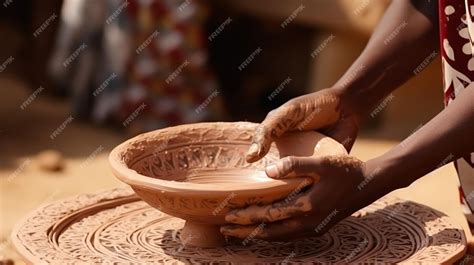
African Pottery [Forming and Firing]
7 African Pottery Designs That Belong in the Spotlight
Let’s take a look at some standout designs that show how wide the range of African pottery really is. Beyond being beautiful, these pieces are clever, rooted in tradition, and still relevant today.
1. Zulu Beer Pot - South Africa
Known as ukhamba, this pot was designed for sharing sorghum beer during rituals or community gatherings. Its rounded shape, delicate walls, and lack of foot make it perfect for communal use. The small bumps on the surface? Those aren’t random-they help with grip and add an understated beauty.
2. Bamana Water Jar - Mali
Bamana women have kept pottery traditions alive for centuries. Their pots, used for cooking or carrying water, often feature symbolic carvings. A post-firing dip into a natural dye bath gives the clay a rich, black finish that’s both dramatic and practical.
3. Igbo Terracotta Jar - Nigeria
This coiled beauty comes from southeastern Nigeria. Made by women, often for ceremonial or domestic use, the pot’s raised floral motifs and incised lines show just how detailed hand-built pottery can be. Igbo designs are thoughtful, elegant, and full of symbolism.
4. Songye Water Pot, Democratic Republic of Congo
Central Africa brings us this vase-like pot, complete with a tall neck and round base. Songye artisans often added patterns using wire or sharp tools. These pots were made to last, carrying water or cooking food day after day.
5. Lobi Breawing Pot - Burkina Faso
Lobi people are famous for their sacred spike-style pottery. Spikes on the surface were used to discourage handling, especially by children, to protect its purpose. However, the Lobi made various types of ceramics, including brewing pots like this one. First, potters would start by forming the base with a lump of clay. Then, they would build the walls with coils. Furthermore, the handles on each side suggest the pot was used over heat.
6. Nupe Filter Pot - Nigeria
In the close-by Nigeria’s Niger state, the Nupe people had a long tradition of creating beautiful African pottery designs. This design is genius. Two chambers, one on top of the other, separated by a narrow neck. Liquids poured in the top filter slowly to the bottom. The Nupe people didn’t just create pottery-they engineered it. Delicate comb-carved textures finish the look.
7. Ladi Kwali Pot - Nigeria
You’ve probably heard her name, and for good reason. Ladi Kwali’s pots brought Nigerian pottery to global attention in the mid-1900s. Her work mixed traditional African pottery techniques with modern glazing and fine carving. Many of her pieces feature animals and plants, linking nature to craft. Today, she’s honored on Nigeria’s currency. Her work is considered fine art, and she remains one of Nigeria’s most celebrated potters.
Bringing African Pottery Into Modern Homes
Thankfully, in this day and age, you don’t need to travel far to bring African pottery into your space. By looking in the right place, these beautiful pieces can be yours to admire and showcase in your own space. Let’s see how!
If you’re looking to purchase a piece of African pottery, you’re in for a treat: Khayni offers a large pot selection, with plenty from the Zulu people, plus many other exceptional pieces from different African regions.
Styling African Pottery at Home
African pottery deserves to be seen-and styled with intention. Here are a few ways to showcase it beautifully:
- Put it front and center: A bold ceramic piece on a console table in your entryway, living room, or dining area? Instant impact. It sets the tone and gives the space an artful edge.
- Try the chimney trick: If you’ve got a chimney ledge, use it. The height helps spotlight the piece, giving it a quiet authority without trying too hard.
- Use a niche to your advantage: Got a wall niche? Perfect. Let it frame your pottery like a mini gallery. The result feels curated and architectural.
Beyond being decorative, African pottery carries generations of artistry and purpose.
Once utilitarian, these vessels now stand proudly as sculptural statements. They invite admiration, spark curiosity, and bring a piece of African heritage into everyday spaces. Whether commanding attention on a table or tucked into a thoughtful corner, they’re always sure to bring quiet power to the room.
Interested in African art? African pottery is a window into the continent's rich culture and history. The vast African continent contains an extreme diversity of cultures, countries and terrains. This has had a critical influence on the styles and techniques that are employed to create their pottery wares.
One of the constants in their traditional pottery production is that they are usually hand crafted without the use of a wheel, utilizing coiling and molding techniques and their methods have been passed down through generations. Terracotta clay is most commonly used, fired in the open, to produce pots of remarkable durability.
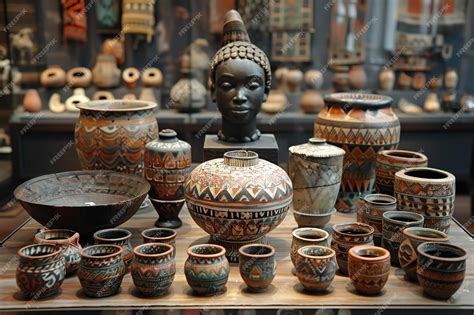
Many superstitions and rituals are present in their pottery exploits, where in some tribes, only the woman are allowed to make the pottery, while in others it is only the men. In some cultures there had to be a cleansing ritual before any work on pottery can begin, and in others, a man wasn’t allowed to be with a woman the night before he intended to create pottery, or a menstruating woman wasn’t allowed near the pits.( this is due to it being detrimental to their health at this time).
Somer tribes divide their pots into masculine and feminine shapes. For example the taller, long necked Bamana pots are classified as masculine while the shorter, fuller pots are feminine. The ritual, ceremonial spirit pots usually feature magical, talismanic symbols and/or attached figures.
The Ovambo, Kavango and Caprivi tribes in Namibia, use the hardened clay from termite hills, as it contains a glue saliva from the termites. This termite clay makes pots quite strong and helps with the binding of the clay in the formation of the pot.
In the rain forest areas of West Africa, where streams and rivers are abundant, clay is usually mined close to existing watercourses and is dug from the banks of streams when the water is low. Enough clay is dug while the pits are accessible to keep the potters supplied throughout the rainy season, when the pits are full of water.
In the more arid regions, the best time to dig is after the fall harvest and before the beginning of the dry season. The men and women can recognize where the best quality clay is found by the telltale cracks. The men use axes and hoes to dig, up to two meters down, for the purest deposits of clay. They then fill huge basins with clay which is passed to the women at the surface, who distribute the clay equally among themselves.
To avoid the pottery cracking, tempers are used consisting of finely chopped straw, dried animal dung pounded into a powder, or the chaff left when rice or millet is winnowed. Also ground-up dried river mud or, most commonly, shards of old pottery are used, after being reduced to a fine powder by pounding in a wooden mortar.
After applying decorations, the pots are left in the sun to dry, or if in a place where it rains often, they are placed in a dry hut or room or near a fire to dry. If it is very wet, they are pre-fired, where individual pots are held for a short time over a fire to remove the moisture.
Women of the same household often fire together with twenty-five to thirty-five pieces as average per firing. Bamana potters place their large pots upright on a bed of wood during firing and encircle the smaller pots around the larger. Branches are positioned on top of the pile to separate and secure the vessels.
Within about an hour of lighting the fire, the women use long wooden poles fitted with iron hooks called wolosow to hook or maneuver the pots from the fire. The women begin with removing the smaller pots and immediately plunge the pots into a special bath that blackens the surface.
| Pot Type | Description |
|---|---|
| Jidaga | Water jar |
| Sheminfaga | Chicken watering pot |
| Bamadaga | “Crocodile”/medicine pot; raised nodules warn people not to touch it |
The Somono Potters make the largest and most diverse selection of pottery consisting of common cooking, serving, and storage pots. They also have a large variety of architectural ceramics - rainspouts, window grills, roof vents and toilet shafts.
The Soninke, Bamana and Manika Potters make water jars and pitchers, braziers, couscous steamers, and cooking pots and build large, unfired clay granaries (bono). The Jula have more in common with the Senufo when regarding styles and types. They create dolodagaba vessels, which are 4-5 feet tall and used to brew/store millet beer but are used more now for water and grain storage. They have a bowl Bamadaga “crocodile” pot for storing sacred medicines and a Biyèlè sauce bowl along with a Ngomifaga pancake griddle.
Some pottery styles are unique to certain regions, for example the singon is found in Soninke, Bamana, Maninka, Somono, and Fula cultures across the north but it is raely seen in Jula and not at all in Senufo or other potteries to the south or east.
Faga: low, wide, footed bowl, unrestricted rim. The rough texture is used to deter children from touching it.
Most peoples of sub-Saharan Africa use pottery, and many make it themselves. Today, although traditions of pottery making survive in many rural areas, town dwellers switching from firewood to other sources of fuel are also turning to industrially manufactured wares.
The preindustrial traditions involve the molding of fairly coarse-textured clay by hand, either building the clay up in rings or using some variation of the hammer-and-anvil techniques found in preindustrial technologies worldwide. The pots so formed are then fired in open bonfires at a relatively low temperature. The variety of form and design is almost endless.
