The nose is a crucial component of facial attractiveness since it is the main feature of your face. According to studies, a beautiful nose shape includes a select few essential details. The definition of a beautiful nose varies, yet symmetry and proportionate balance are important components of a nose’s beauty.
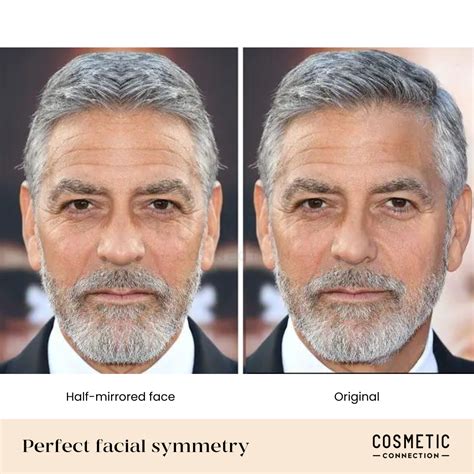
In addition, symmetrical faces appeal to humans. When the nose is precisely positioned in the center of the face, vertical symmetry is attained. The horizontal placement of the nose is analyzed using the same symmetry metric. Plastic surgeons evaluate facial symmetry by visually splitting the face into three. The upper third of the face is made up of the top of the forehead to the eyebrows.
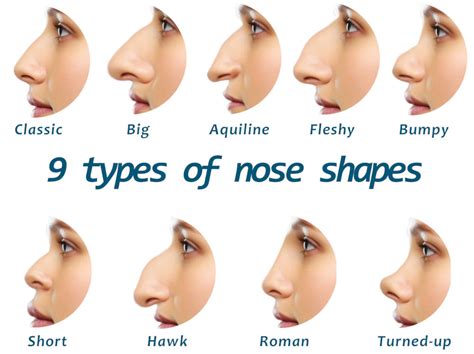
Diverse Nose Shapes and Their Characteristics
Not everyone has a nose that has the same size and shape. There are many different nose shapes and sizes, and every person’s nose has a range of characteristics. This article discusses how rhinoplasty can help correct the nasal shapes according to a patient’s desires.
Here are some common nose shapes:
- Nubian Nose: People of African ancestry are more likely to have Nubian nose shapes. A Nubian nose has a broad base, a long nasal bridge, and a nose tip that often extends downwards toward the lips. This nasal type’s name gives away its ancestry since it often refers to ancient North African Numidia. Rihanna and former President Barack Obama are two well-known people with noses like those of Nubians.
- Fleshy Nose: The most typical fleshy noses are broad, wide noses with a noticeable nasal protrusion. These characteristics are most often found in men. These noses can be tiny and delicate, but if they seem more fatty than bony, they are still considered fleshy. A fleshy nose is seen in over 24 percent of the population.
- Roman Nose: A Roman nose features an overly pronounced nasal bridge that sometimes veers slightly near the tip. Like the Greek nose, it gets its name from characteristics seen in early Roman artworks. In addition, Roman noses are often associated with a defined, strong profile. The Roman nose is the most popular nose shape desired by male patients. Roman noses are present in around 9 percent of the population.
- Hawk Nose: Common hawk nose shapes are similar to Roman nose shapes, but hawk noses typically have a pointier nasal tip and a thinner nasal bridge. In addition, these noses often have a noticeable curve that gives the impression of being hooked - like a hawk’s beak. Daniel Radcliffe and Adrien Brody are two examples of people who have hawk noses. However, Daniel Radcliffe’s is less prominent. A hawk nose is present in 4.9 percent of the population. Many patients consider this to be an unpleasant nose shape.
- Greek Nose: A Greek nose is sometimes referred to as a straight nose since the main distinguishing characteristics are a straight nasal dorsum or nostrils and bridge that seem smaller. Patients with straight noses may believe their nose is too big or their nasal tip is too prominent.
- Button Nose: The button nose, prevalent in persons with petite features of European or Asian ancestry, is particularly endearing. The tip of this kind of nose is pointy, long, and tapering. A button nose is sometimes referred to as a snub nose and has similarities with an upturned nose.
- Upturned Nose: In this situation, the nose tip extends upwards and the nose is often tiny and upturned. In addition, a celestial or upturned nose often forms a little hollow in the center of the nose’s dorsum. A woman’s most attractive type of nose is the upturned or celestial nose. This feminine nose is elegant, gentle, angelic, and slender. When patients visit a plastic surgeon, they often ask for a nose shaped like this. An upturned nose is not a medically concerning condition. Snub noses often have a rounder shape and an upturned component, so nostrils are more apparent from the front.
- Bulbous Nose: The nasal tip of a bulbous nose seems rounded and big, which often throws off the balance of other nasal characteristics and your facial harmony. Some people may have a bulbous nose due to rhinophyma, a skin disorder.
Study of African American Noses
A study of 201 black American noses has led us to divide the black American nose into three groups, i.e., Groups A, B, and C, which we have called the "African," the "Afro-Caucasian," and the "Afro-Indian." Belonging to the African group (Group A) were 44% of the noses, 37% were Afro-Caucasian (Group B), and 19% were Afro-Indian (Group C).
Read also: Experience Fad's Fine African Cuisine
Anthropometric measurements showed variations according to type, with the African noses being the shortest and widest, the AFro-Caucasian the narrowest, and the Afro-Indian being the longest. Cadaver dissection showed that the alar cartilages varied from small and thin in the African group to large and thick in the Afro-Indian. All were covered by a heavy layer of fibrofatty tissue.
Key findings from the study include:
- Fifty-three percent of the African noses had a concave dorsum, whereas only 10% of the Afro-Caucasian and 8% of the Afro-Indian group had a concave dorsum.
- On the other hand, 36% of the Afro-Caucasian group had a hump as did 63% of the Afro-Indian group. Only 18% of the African group had a hump.
- The most common nostril types were type IV (20%), type V (27%), and type VI (25%), the distribution of which varied with the nasal type.
Here is a summary of the characteristics by group:
| Group | Percentage | Dorsum | Hump | Alar Cartilages | Nose Size |
|---|---|---|---|---|---|
| African (A) | 44% | Concave (53%) | 18% | Small and thin | Shortest and widest |
| Afro-Caucasian (B) | 37% | Concave (10%) | 36% | - | Narrowest |
| Afro-Indian (C) | 19% | Concave (8%) | 63% | Large and thick | Longest |
Rhinoplasty: Reshaping the Nose
The most efficient way to change the size and shape of the nose is with the help of rhinoplasty. The surgical procedure for reshaping the nose is refined to provide results that seem natural and facilitate a quick recovery. With cutting-edge surgical methods, skilled nose surgeons who have years of expertise help patients obtain the best nose shape. Most men and women consider rhinoplasty because they dislike some element of their nose.
In addition to producing exceptional visual results, rhinoplasty surgery may also enhance a person’s nasal function (breathing). Making an emotional commitment to your new look is necessary. Having rhinoplasty is something that many people consider. Teenagers thinking about getting rhinoplasty should be 14 years or older for young women, and 16 years or older for young men due to physical development and facial growth.
Read also: The Story Behind Cachapas
Rhinoplasty Procedure and Recovery
Get ready. Do your research, understand the treatment, examine photographs of genuine patients, and choose the best plastic surgeon. After a rhinoplasty, your nose will have bandages. To protect and assist you in maintaining the new shape of your nose, you could wear a plaster or plastic splint. Dr. Joe will demonstrate how to switch out the pad as necessary. Your nose will not be packed, but may have soft absorbable material to stop the bleeding and swelling. After surgery, placement of the nasal drip pad can be stopped within two days. Within a week, the surgeon will remove the external splint too.
Expect to get dark eye bruises (50 percent) and a puffy nose (100 percent). In three to four weeks, most of the swelling should be gone. You can get a stuffy nose and have temporary breathing difficulties. In addition, your nasal tip can be numb. As the sensation returns, you can experience some tingling. This is good. You must avoid harming your nose for around three weeks if the operation affected any of your bones. Especially when there is no nasal packing, there is often minimal discomfort after rhinoplasty.
Recovery depends on how complicated the rhinoplasty procedure is. Healing will vary. The anesthesia’s effects will last for a few hours. After that, you’ll have some splints and bandages fastened to your cheek. Bruising and swelling will reach their peak within seven days.
Non-surgical rhinoplasty often tests whether people are happy with their new form, producing effects lasting no longer than 18 months. The treatment might contour the nose and increase volume in certain places. Despite its widespread use, rhinoplasty is a complex procedure associated with certain risks and complications. When a qualified plastic surgeon such as Dr. Joe Gryskiewicz is performing the procedure, you can be sure you are in good hands. Dr. Joe Gryskiewicz is one of the most successful plastic surgeons in Minneapolis. As a board-certified plastic surgeon who specializes in aesthetics, he can help you get the nose you have always wanted.
Rhinoplasty Recovery: What to Expect & Timeline
Read also: Techniques of African Jewellery
