Birthdays are celebrated differently around the world, shaped by family history, culture, language, economic status, geographic location, and spiritual beliefs. While some traditions are universally recognized, others are unique to specific regions and cultures. This article delves into the fascinating realm of African birthday traditions, exploring the diverse customs and celebrations that mark the passage of time and the entry into new stages of life.
Naming Traditions in West Africa
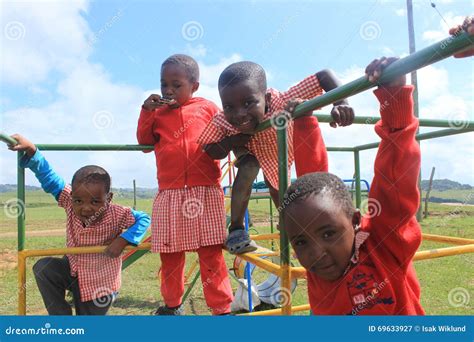
In West Africa, a unique tradition involves giving newborn babies a special name based on their birth day. The Akan people of Ghana often name their children according to the day of the week they were born. These "day names" carry significant meanings related to the baby's soul and character traits. This naming tradition extends throughout West Africa and the African diaspora.
Many Ghanaians have at least one day name, even if they also have a Christian or English name. The Akan people use the Kwa language, which serves as a form of timekeeping. The language is based on a 6-day week, with the 7th day included.
To help better understand this naming system we must know that the Akan people use the Kwa language, which is used as a form of time keeping. The language is based on a 6 day week, with the 7th day included.
Community Initiation
In many African cultures, the day of a child's birth is not observed as a special day. Instead, African children are initiated into the community when they reach a certain age. This allows them to learn about their culture's laws and participate in ancient rituals. These initiation ceremonies are celebrated for groups of children rather than individual children.
Read also: Experience Fad's Fine African Cuisine
Ghanaian Celebrations
Each year, the Asante people in Ghana celebrate "krada" (meaning Soul Day) on the day of the week they were born. This observance involves a cleansing ritual intended to purify the inner soul. On a person's krada, he or she wakes up early and washes using a special leaf soaked overnight in water.
On their birthday, children wake up to a special treat called "oto," which is a patty made from mashed sweet potato and eggs fried in palm oil. Later, they have a birthday party where they usually eat stew and rice and a dish known as "kelewele," which is fried plantain chunks (similar to bananas).
Egyptian Birthday Traditions
Egyptian birthday parties are filled with dancing and singing when a child turns one year old. Lots of flowers and fruit are used to decorate the party as symbols of life and growth.
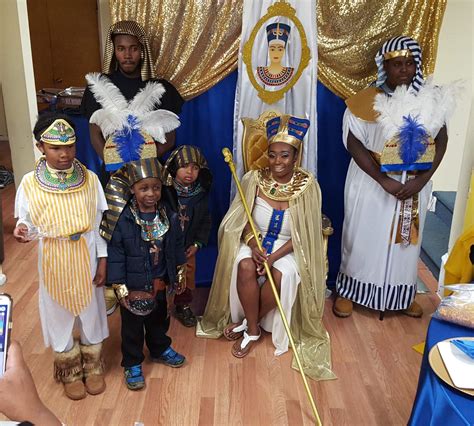
Egyptian Birthday Party
Kenyan Birthday Traditions
When a baby is born, the mother takes the baby strapped to her back into the thorn enclosure where the cattle is kept. There, her husband and the village elders wait to give the child his or her name.
Nigerian Birthday Traditions
In Nigeria, the 1st, 5th, 10th, and 15th birthdays are considered extremely special events. On these birthdays, they have huge parties with up to 100 guests or more. A feast is prepared, consisting of an entire roasted cow or goat. They also serve a dish called "jollof rice," which is rice with tomatoes, red peppers, and onions, plus cassava, which is similar to sweet potato.
Read also: The Story Behind Cachapas
Sudanese Birthday Traditions
In Sudan, children who live in the cities celebrate their birthday, whereas in the country, they do not. Children will usually drink a red punch called "karkady" (made from hibiscus flowers).
South African Birthday Celebrations
In South Africa, birthdays are highly celebrated, and everyone in the town or township is invited, regardless of age. These celebrations are marked by big white tents erected in the yards, symbolizing a huge celebration of some sort.
South African birthday celebrations are special and filled with joy and various traditions:
- Birthday Parties: Many South Africans celebrate their birthdays with parties held at home, in a restaurant, or at a park, often including family and friends.
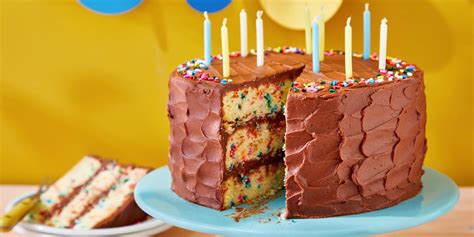
- Cake and Candles: A birthday cake is a must-have, usually decorated with candles, one for each year of the person's life.
- Braai: A popular South African tradition is having a braai, which is similar to a barbecue. Families and friends gather to grill meat and enjoy delicious food together.
- Traditional Songs and Dances: In some communities, traditional songs and dances are performed to celebrate birthdays.
- Gifts: Giving gifts is another important part of South African birthday celebrations, with friends and family giving presents to show their love and appreciation.
- Special Meals: Some families prepare special meals for the birthday person, which could be their favorite dish or a traditional meal significant to their culture.
- Cultural Celebrations: South Africa is a diverse country with many different cultures, each with its own unique ways of celebrating birthdays.
The birthday cake is traditionally highly decorated and covered with lit candles when presented, the number of candles signifying the age of the celebrant. The person whose birthday it is may make a silent wish and then blow out the candles. It is also common for the person celebrating their birthday to cut the initial piece of the cake, and the birthday boy/girl traditionally gets to eat the first piece of the cake.
In a given town or township, everyone is invited, including the older family members; it does not matter how young or old the person is. These celebrations are noted by big white tents being erected in the yards, which symbolize a huge celebration of some sort.
Read also: Techniques of African Jewellery
Black Community Birthday Traditions
Birthday celebrations in the Black community are as unique as its people. Some opt to celebrate in an informal and intimate way with family and friends, while others prefer something more grand and spectacular.
Author and former Kentucky poet laureate Crystal Wilkinson wrote an essay about the importance of African Americans birthday celebrations. Generations of African Americans were conditioned to sing the traditional “Happy Birthday to You” song, which is a song that can be personalized. “Happy birthday dear___!” But a new tradition was born in 1981 when Stevie Wonder released his musical petition for the MLK Jr. holiday, “Happy Birthday.” Without mentioning a name, including Martin’s, the upbeat, rhythmic chorus continues to make a celebration quite personal and complete.
One of the most glorious Black birthday traditions involves pinning money over the heart of an honoree. It begins with someone other than the recipient pinning a paper bill onto the clothing that indirectly encourages others to follow suit. Depending on the givers, the celebrant could look like they’re wearing a money corsage.
No birthday celebration is complete without the celebratory meal. Whether it’s cooked at home or enjoyed in a restaurant, the celebrant gets to eat their favorite dish and enjoy a delicious dessert. The dessert can be a traditional birthday cake or pie. Maybe they’ll receive a special treat such as candy.
Singing, pinning and eating are three essentials to a festive and memorable Black birthday celebration.
Common Birthday Traditions Around the World
Some traditions are quite similar in many parts of the world; birthday candles which carry wishes up to God, birthday games which gauge how much more a child can do versus last year, and birthday pinches or taps which ensure good luck for the coming year.
Birthday Cake
In most English-speaking countries it is traditional to sing the song "Happy Birthday to You" to the honored person celebrating a birthday. Happy Birthday songs are common worldwide; similar songs exist in other languages.
A birthday party usually includes gifts for the person whose birthday it is. In addition to parties, it is common for people to receive gifts on their birthday. Popular gifts include toys, books, jewellery, clothes, flowers, technical devices, gift cards, checks, paper money, etc.
Birthday parties for children often feature entertainment, costumes, party games, and a theme. Adults' birthday parties in Western countries are often held in restaurants, bars, nightclubs, or at home.
Additional Birthday Traditions Around the World
Here are some additional birthday traditions from around the world:
- Argentina: Dance the waltz at 15. Children in Argentina receive pulls on the earlobe for their birthday.
- Brazil: Pulls on the earlobe. The birthday child receives a pull on the earlobe for each year they have been alive.
- Canada: Greasing the nose with butter or margarine. In Atlantic Canada (Nova Scotia, Prince Edward Island and Newfoundland) the birthday child is ambushed and their nose is greased for good luck. The greased nose makes the child too slippery for bad luck to catch them. This tradition is reputed to be of Scottish decent. Birthday punches.
- China: China, people believe that tigers protect children. Family members bring newborns special food and present them with gifts of clothing or toys decorated with tigers. When a Chinese girl or boy turns one year old, a variety of objects and toys are placed on the floor around the child. Noodles for Lunch. The birthday child pays respect to his/her parents and receives a gift of money.
- Cuba: Food, music, piñatas and lots of people. piñatas, cake, candles, "happy birthday" song and games.
- Denmark: Flying Flags. A flag is flown outside a window to designate that someone who lives in that house is having a birthday.
- Ecuador: Pink Dress. When a girl turns 15 there is a great celebration and the girl wears a pink dress.
- England: In medieval times, objects such as coins and thimbles were mixed into the batter. People believed that the person who got the coin would be wealthy, while the unlucky finder of the thimble would never marry. Today, small figures, fake coins and small candies are more common. treasure.
- Germany: Candles left burning for the day. A member of the birthday person’s family wakes up at sunrise and lights the candles on the birthday cake. There are as many candles as the years of age of the birthday person plus one for good luck. The candles are left burning all day long. After dinner that night then everyone sings the birthday song and the birthday person blows out the candles. If all of the candles are blown out in one try then the wish of the birthday person will come true. Germany - Sweeping the stairs of city hall. When men reach the age of 30 and they still don't have a girlfriend that they have to sweep the stairs of the city hall. All there friends will throw rubble on the stairs and when you're finished they'll throw some more rubble there.
- Guyana: Special dishes. Chicken, duck or lamb curry with rice are the main dishes at the birthday celebration. A family member usually bakes a fruit, black or sponge for the birthday boy/girl to cut.
- Holland: Crown Years. Special year birthdays such as 5, 10, 15, 20, 21 are called "crown" years. The birthday child receives an especially large gift on a crown year birthday. The family also decorates the birthday child's chair at the dining room table with seasonal flowers or paper streamers, paper flowers and balloons. Holland hangs Birthday Calendars to remind them of the birth dates of all their family and friends. When a Dutch person is unable to visit a birthday child on their special day, a card is always sent to wish the child well.
- Hong Kong: Hong Kong and some other Chinese communities, special noodles are served for lunch in honor of the birthday child.
- India: Colored dress and chocolates.
- Ireland: Birthday Bumps. The birthday child is lifted upside down and "bumped" on the floor for good luck.
- Israel: Chair Raising. (Bar Mitzvah is celebrated after the 13th birthday for Jewish boys. Mitzvah is celebrated after the 12th birthday for Jewish girls). At the age of 13 (12 for girls), Jewish children become obligated to observe the commandments. Today, the bar mitzvah celebrant does much more than say a blessing. The celebrant may pray traditional chants, read from the Torah, lead part of the service, or lead certain prayers. In other movements of Judaism, girls participate in the same way as boys. In Conservative synagogues, the bar or bat mitzvah celebrant leads the entire community through the service, which includes reciting Hebrew and English prayers, ritual blessings and readings from the Torah. Reform congregations vary the amount of responsibility the child has. Most families host a reception following the religious ceremony. This is a time for the entire Jewish community and their guests to congratulate the new member on his or her accomplishments. entertainment. It is never too late to have a bar or bat mitzvah ceremony.
These diverse traditions highlight the rich cultural tapestry of birthday celebrations around the world. Understanding and appreciating these customs can enhance our connections with others and broaden our perspectives on life's milestones.
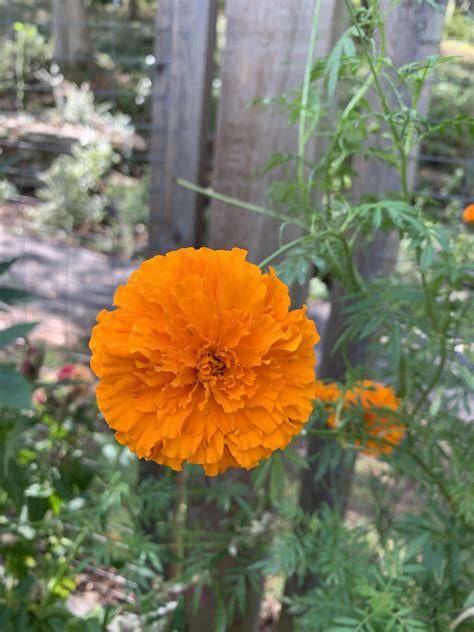
Marigolds for a Mexican Birthday
Flowers and Their Cultural Significance in Birthdays
In many cultures, flowers are not only appreciated for their beauty but also for the deep symbolism they carry. Each bloom carries its own story, often rooted in ancient myths and legends. Birthdays, being a celebration of life, are the perfect occasion to explore this symbolism and the special role flowers play. For instance, the daisy, often associated with innocence and purity, is a popular choice for children's birthdays in several cultures.
Floral traditions vary widely around the world, each offering a unique glimpse into the cultural significance of these natural wonders. In some cultures, flowers are more than just gifts; they are integral to the rituals and ceremonies that accompany birthday celebrations. In India, for example, marigold garlands are often used to honor the birthday celebrant, signifying respect and reverence.
Understanding the cultural significance of flowers in birthday traditions not only enhances our appreciation for these beautiful gifts but also allows us to connect with others on a deeper level.
Here are some examples of flowers and their cultural significance in birthdays:
- Cherry Blossoms (Japan): Symbolize the beauty and transience of life, often celebrated with hanami, the tradition of viewing cherry blossoms. Gifting cherry blossom-themed items is also customary.
- Marigolds (Mexico): Known as cempasuchil, these flowers symbolize the sun and the cyclical nature of life. They are used in garlands and decorations to bring good fortune and show respect.
- Flowers (Russia): Flowers are cherished gifts, with specific customs dictating their presentation. It is considered unlucky to give an even number of flowers, as this is associated with funerals. Red flowers symbolize love and passion, while white flowers represent purity and innocence.
- Marigolds (India): These vibrant flowers are often used in garlands and decorations to honor the celebrant and bless the occasion.
- Leis (Hawaii): Leis, often made from flowers, leaves, and shells, symbolize love, friendship, and respect. Plumeria, orchids, and hibiscus are popular choices, each symbolizing different aspects of love and beauty.
- Chrysanthemum, Plum Blossom, and Jasmine (China): The chrysanthemum, which symbolizes longevity and vitality, is often given to elders on their birthdays. The plum blossom represents perseverance and hope, making it a meaningful gift for those embarking on new life chapters. Jasmine, with its sweet aroma and elegant appearance, is another popular choice in Chinese birthday customs.
- Roses, Lilacs, and Iris (France): Roses are a staple in French birthday celebrations. Each color conveys a different sentiment: red roses for love and passion, pink for admiration and gratitude, and white for purity and remembrance. The lilac, known for its enchanting fragrance and delicate blooms, is another beloved flower in French birthday traditions. The iris, France's national flower, plays a significant role in birthday celebrations. The iris symbolizes wisdom, courage, and admiration, making it an ideal gift for honoring mentors or respected elders.
Incorporating these floral traditions into your birthday celebrations can add a meaningful and cultural dimension to the event.
| Country | Tradition | Description |
|---|---|---|
| Ghana | Krada (Soul Day) | Celebration involving a cleansing ritual to purify the inner soul. |
| Nigeria | Special Birthdays (1st, 5th, 10th, 15th) | Huge parties with feasts, including roasted cow or goat and jollof rice. |
| South Africa | White Tents | Large celebrations marked by erecting big white tents in the yards. |
| Mexico | Marigolds | Using marigolds as decorations to bring good fortune and show respect. |
| Japan | Cherry Blossoms | Celebrating with hanami, the tradition of viewing cherry blossoms, symbolizing beauty and transience of life. |
| Russia | Flowers | Giving flowers is a cherished gift, with specific customs dictating their presentation. |
Cultural context and traditions.In South Africa, birthdays are special celebrations filled with joy and various traditions.
Although birthday traditions are quite similar in some countries today, not everyone celebrates in the same way.
There are numerous traditions surrounding birthdays, some of which are described below.
You may recognize some of the customs, while others will be very unfamiliar.
There may also be special traditions in your family or a friend’s family that do not appear below.
Family history, culture, language and economic status are all details that affect the way a person observes the anniversary of their birth.
Two of the most significant factors throughout history, however, have been geographic location and spiritual beliefs.
The following customs have been divided according to these two categories.
Conclusion
The world of birthday celebrations is as diverse and vibrant as the cultures that celebrate them. From the meaningful naming traditions of West Africa to the community-focused celebrations in South Africa, each custom offers a unique glimpse into the values and beliefs of different societies. By exploring these traditions, we gain a deeper appreciation for the rich tapestry of human culture and the universal joy of celebrating life's milestones.
