African fashion has a rich and diverse history that has been shaped by various cultures and traditions. African culture is known for its vibrant colors, bold prints, and intricate designs.
Clothing has been used as a medium for storytelling for centuries, and some of the oldest textile designs documented can be found in Africa's rich history. Not only do these unique prints each have significant meanings, they also have specific ways in which they are fashioned according to African traditions.
The brief history of African fashion dates back to the early civilization of African people, who used natural materials derived from their environment to create clothing. The materials used to create traditional African clothing vary from region to region, depending on the climate, culture, and available resources of each area. Some common materials used in African clothing include cotton, silk, wool, and leather. Additionally, beads, shells, and animal prints are commonly added to African clothing to lend it a distinct and vibrant appearance.
African clothing is often characterized by vibrant colors and bold patterns, which not only indicate the cultural background and lineage of the wearer but also serve as a source of joy and pride for its people. African clothing plays a significant role in showcasing the diverse culture of the continent. With over 54 countries, African clothing varies regionally, with each tribe and country having its unique style. However, the most popular African clothing found across the continent is made with the Ankara fabric.
Traditional African clothing embodies the rich cultural heritage of Africa. At Ade + Ayo, we have taken the traditional styles and prints of Africa and created our own unique prints to pay tribute to these beautiful styles.
Read also: Experience Fad's Fine African Cuisine
Discovering the origins of global fashion trends: African Ankara and Kitenge
Key African Fashion Patterns and Their Origins
Each region has contributed its own unique take on this style of cloth, which has allowed the craftsmanship of many African nations to shine through.
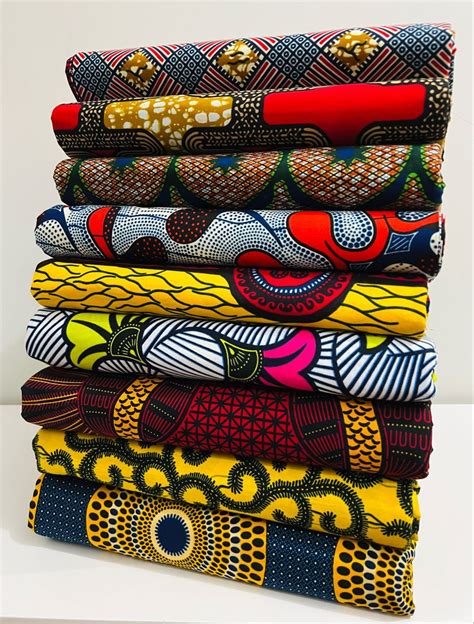
Ankara
The term African Ankara print is widely used as a catch-all phrase for fabric prints that have traditionally been associated with Africa, even though the designs themselves have varied greatly from place to place. Ankara fabric, also known as African wax print fabric, has a fascinating history that spans continents and cultures, contrary to its popularity in Africa, but in Indonesian.
To trace the history of African Ankara back to its origins requires a deep understanding of both local fashion design and international trades -- it began somewhere in West Africa some 700 years ago, when Dutch traders introduced locally made batik fabrics that were then adapted by various African cultures. Local West African artisans and traders embraced these prints and adapted them to reflect their own cultural aesthetics and traditions.
Today, Ankara fabric continues to evolve, with modern designs, vibrant colors, and patterns reflecting contemporary African fashion trends. It's not just limited to Africa but has gained popularity globally, finding its place in high fashion, clothing, accessories, and interior design, celebrating the diversity and heritage of African culture.
Kente
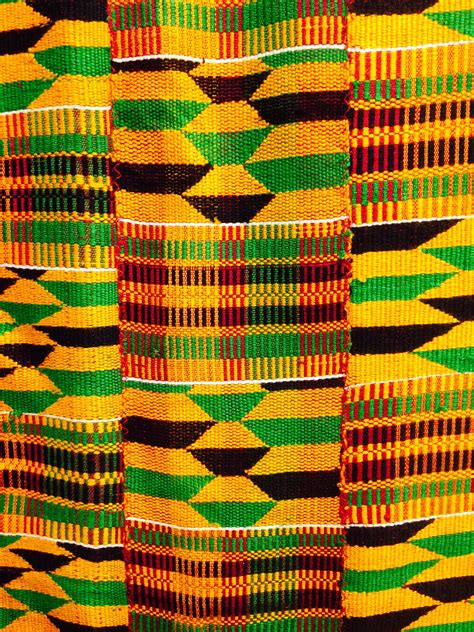
The African Kente print we see today is believed to have originated in Ghana and was initially used by the Ashanti tribe about 500 hundred years ago. According to oral tradition, Kente silk-woven cloths were only worn by royal members of the court, reflecting great honor and power. While it’s believed that Kente weaving began with one particular artisan, Ananse, stories tell us that there were many others who adopted the practice and perfected their own ways of creating stunningly colorful cloths.
Read also: The Story Behind Cachapas
Kente cloth is a vibrant and intricately woven textile that originates from the Ashanti (Asante) people of Ghana in West Africa. Legend has it that two Ashanti friends, Ota Karaban and Kwaku Ameyaw, learned the art of weaving by observing a spider weaving its web. They replicated the pattern and technique, which formed the basis of Kente weaving. Like many traditional African patterns, each Kente design carries specific meanings and prestige.
Bògòlanfini (Mud Cloth)
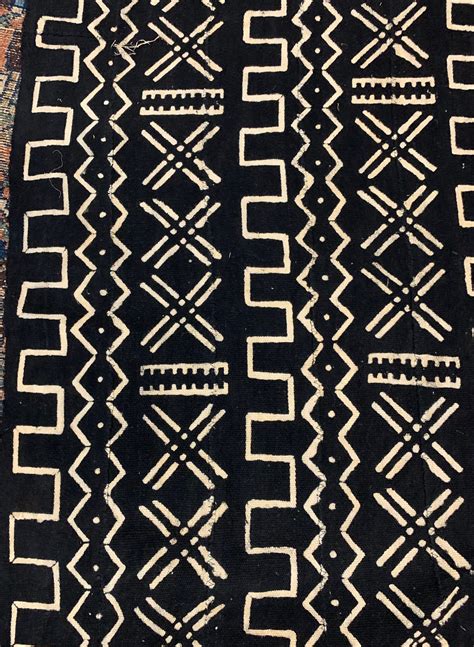
The origins of the African bògòlanfini print, also known as ‘mud cloth’, can be traced back to the Mandinka tribe in Mali. This unique textile has been used for centuries to create colorful, intricate patterns for clothing and accessories. The material is made by hand-weaving strips of cotton ankle cloth, then painting it with fermented mud that was collected from local rivers. The fabric must then be stretched, dried and sealed with a solution made of mashed leaves, beeswax and oil. The end result is a colorful work of art that signifies power and strength within the Mande community.
Mudcloth, also known as bogolanfini, has a rich history rooted in Mali, West Africa, particularly among the Bambara people. The traditional process of creating mudcloth involves a labor-intensive method of dyeing and decorating cotton fabric. As with most traditional African fabrics, mudcloth designs, patterns, and geometric shapes are often symbolic, representing aspects of Bambara culture including history, religion, and social status.
Kuba
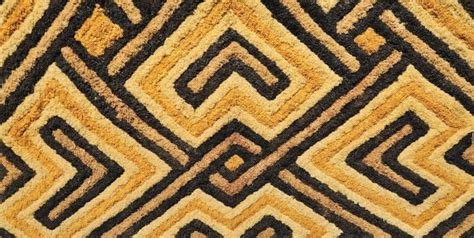
The African Kuba print is a type of textile art with a long and rich history that begins in the Democratic Republic of Congo (DRC), formerly known as Zaire. The fabric was woven by members of an ethnic group that spans many regions in and around the DRC, referred to as the Kuba people. It dates back to at least the late 18th century, where the designs were mainly geometric in shape and featured diamond-like shapes. In addition, they included abstracted figures, pictures and other images. Today, these fabrics can be seen on clothing, accessories and home decor items featuring unique symbols that hint at their original use for royal ceremonies and sacred rites.
Batik
The African batik print, originating from Egypt and spreading across to neighboring African countries, is a beautiful and multifaceted art form. Often applying wax-resist dyeing techniques, the intricate embroidery on this type of ethnic fabric harks back to ancient Egyptian civilization, particularly with some early examples dating to the late Middle Kingdom (2055-1650 B.C.). During this period, hieroglyphic images were printed onto linen in bright colors derived from plants such as madder, woad and onion skin - this design was used primarily as a royal insignia in ceremony and other dress decorating occasions.
Read also: Techniques of African Jewellery
Later studies suggest that many of the traditional patterns found in several African countries today are actually direct descendants of Egyptian designs; one example of which is a distinct argyle pattern usually associated with Ghanaian and Beninese cultures, which is thousands of years old!
Adire
Adire, also known as African resist-dyed cloth, is one of the most ancient and beautiful forms of textile art found in West Africa. The craft dates back centuries, likely originating in Yoruba communities in present day Nigeria before spreading out across the continent. The process involves using indigo and other natural dyes to create designs on fabric. This art was scrupulously preserved by skilled crafters, with images typically representing mythological motifs and spiritual consciousness.
In addition to being an aesthetic delight, adire textiles have rich symbolic meanings such as human relationships to nature, the importance of family bonds, or the significance of certain animals within cultures. Adire is a traditional indigo-dyed fabric originating from the Yoruba people of southwestern Nigeria. Adire was historically made by women in Yoruba communities, with patterns and motifs often carrying cultural significance and symbolic meanings. We celebrate the tradition of African Adire while incorporating modern takes.
The Global Influence of African Fashion
If you haven't realized by now, these designs have influenced fashion and beyond all over the world. Over the years, African fashion has gained global recognition, and its influence can be seen in the fashion industry worldwide. Many fashion trends that we see today can trace their origins to African culture. Take, for example, the use of bold and bright colors in fashion. This colorful style is a direct reflection of the vibrant and colorful African landscape. Various patterns and prints such as Ankara and Kente have also become popular worldwide.
The African influence can also be seen in the use of beads and other adornments which are now widely used in jewelry-making. African fashion is more than just an aesthetic, it represents a rich culture and heritage that has influenced fashion trends around the world. It is a reminder of the incredible beauty and diversity of African culture.
African fashion has gained much recognition in recent years due to its rich cultural heritage, vibrant colors, and unique designs. The industry has grown exponentially, and African designers are now showcasing their creativity in international runway shows. Here are a few reasons why African fashion is so important to the world:
- Cultural expression: African clothing offers a glimpse into the diverse cultures of the continent. Each design is unique and showcases the rich cultural heritage of Africa. It provides a platform for Africans to celebrate their identities and express their creativity.
- Empowerment: African fashion has become a means of empowerment for many people. It has created job opportunities for skilled artisans and designers, especially women, who have been marginalized in the past. This has contributed to the growth of the economy and the reduction of poverty levels across the continent.
- Sustainability: African fashion is produced using sustainable practices. Many designers use traditional methods such as hand-weaving and dyeing to create their designs. This promotes eco-friendly production methods and supports local communities.
- Diversity: African clothing is incredibly diverse, with various styles, fabrics, and techniques. There is something for everyone, and this has led to the globalization of African fashion. It has become a global trend, and many non-African designers are incorporating African-inspired designs into their collections.
- Influence: African fashion has influenced fashion trends across the world. Many designers from Western countries have been inspired by African designs and have incorporated them into their collections.
Modern African Clothing
Modern African clothing is a fusion of traditional African clothing with contemporary styles and fabrics. It incorporates traditional African motifs and prints, vibrant colors, and modern designs. African clothing ranges from casual everyday wear to formal attire, and is worn by people in Africa and diaspora communities around the world. Some popular modern African clothing styles include:
- Dashikis: These are loose-fitting, brightly colored shirts or tunics with African motifs and patterns.
- Ankara: Also known as African wax print, Ankara fabric is popular for its bold and vibrant prints. It is used to create dresses, skirts, tops, and accessories.
- Kaftans: These are long, flowing robes that are usually made of lightweight fabrics such as cotton, silk, or linen. They are often adorned with intricate embroidery or beadwork.
- Kente cloth: Kente cloth is a handwoven textile made of silk or cotton. It is characterized by its bold, geometric patterns and bright colors, and is often worn by royals and dignitaries.
- African print dresses: These are often made with bright, bold prints and are popular for both casual and formal occasions.
Modern African clothing has gained popularity in recent years, as more people seek to celebrate African heritage and culture through their attire. The diversity of African fashion is symbolic of Africa's diversity in culture, language, and ethnicity. It promotes cultural exchange and helps in breaking down cultural barriers by providing a platform for people to showcase their roots and identity.
African fashion also provides economic empowerment to people in Africa, especially women. It creates job opportunities for local artisans, designers, and manufacturers, contributing to the economic development of the continent. Additionally, African designers and models have gained international recognition, promoting the success of the African fashion design industry and showcasing African beauty to the rest of the world.
The future of African fashion seems very promising as designers explore new ways to showcase their creativity while still drawing inspiration from traditional African designs. We can expect to see more African-inspired fashion on international runways and in mainstream fashion retail stores. Additionally, there will continue to be a growing interest in sustainable and ethical fashion, which African designers are well-positioned to lead.
