African fabrics are celebrated for their vibrant colors, bold designs, and rich cultural significance. Among the most popular types are Ankara, Kente, and wax prints, each with unique characteristics and origins. These fabrics are not only used for clothing but also for a variety of creative applications, making them a versatile choice for many projects.
Types of African Fabrics
There's more to African fabrics than the traditional wax print! Consider many of the other beautiful fabric types we offer including gorgeous stretch, chiffon, upholstery/ denim and satin materials.
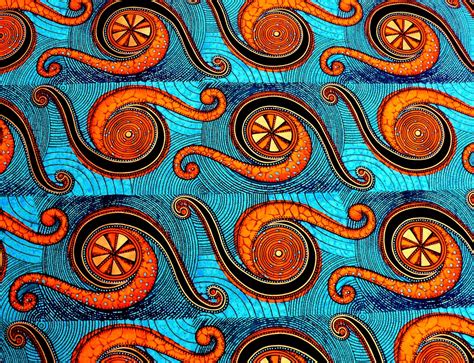
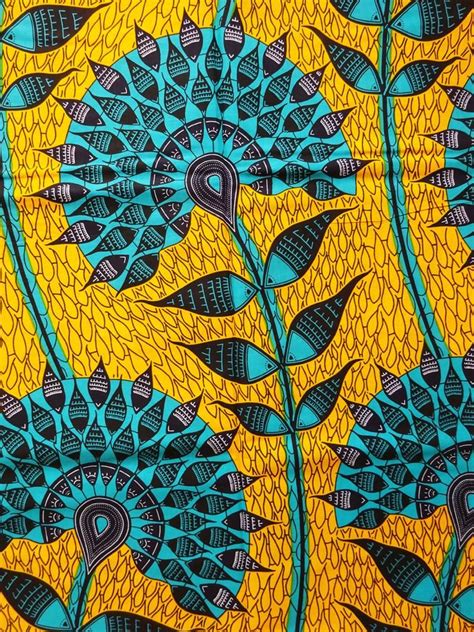
- Ankara: Ankara fabric is one of the most common types of African fabrics throughout the continent and is characterized by having bold colors and designs. It may also be referred to as African Prints, Wax Prints, Dutch Wax, Kitenge and Shweshwe among many other names.
- Kente: Kente fabric is native to Ghana and is traditionally made of interwoven cloth strips. One of the most interesting features of kente fabric is that its colors and patterns have different meanings.
- Wax Prints: When you see the words "wax fabric" concerning African cloth, it doesn't mean that the fabric is full of wax. The prints were originally an industrial form of batik, so wax was used as a resist between colors. The wax was removed however, before sale. Today, wax is rarely used as a resist, but the results of the printing are the same - a dye that passes through the fabric so that the fabric is virtually reversible (same on both sides).
- Gele: Gele is a common reference to head tie material worn throughout Western and South Africa.
- Authentic mudcloth: Authentic mudcloth is a special fabric made by hand in Mali, a country in West Africa. It is dyed using mud that has been fermented and can used to make African fashion, accessories, art, and decorations.
The truth about "African" wax prints
Origins and History
African wax fabrics originated at the beginning of the 19th century. They are derived from the batik fabrics from the former Dutch East Indies. The manual technique for making batik fabrics was automated in this period by some Dutch entrepreneurs. Initially these fabrics were intended for the market in the Dutch East Indies, but this did not work. By coincidence, these fabrics became popular in West Africa, which made the prints more suited to the demand and circumstances of the local people in various African countries. In this way, over time, the African fabrics have become a well known concept, which nowadays is conquering its popularity all over the world!
Uses of African Fabrics
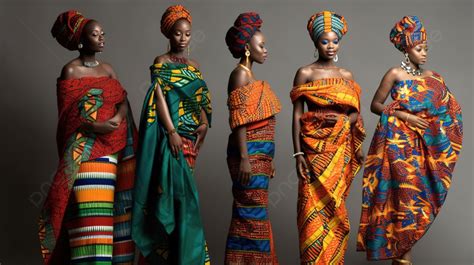
The possibilities of African fabrics are literally endless. Everywhere you want to apply color you can use these fabrics. Of course the fabrics are often used to make beautiful clothes like dresses, skirts and tops. Apart from the application for clothing, the fabrics are often used to make headscarves, baby slings, jewelry and even shoes. Also, these fabrics are used for upholstering furniture, making patchwork, quilting, upholstering lamps, making tablecloths, making works of art, decorating parties and so on!
Purchasing African Fabrics by the Yard
High-quality African fabrics are available for purchase by the yard. This African wax print fabric is perfect for making your own colorful clothes. Many designs are known in the fashion of African countries. Because our customers use these fabrics for many more applications, we offer the fabrics starting from a 1 yard (91cm) length.
Read also: Experience Fad's Fine African Cuisine
Grab 6 Yards for a steal at $29 or purchase these beauties by the yard at $5.50.
Key Features
African fabrics are characterized by the use of mostly colorful, vibrant designs. The authentic African fabrics are double-sided printed on 100% cotton by means of the "wax block" principle. The fabrics almost always have a width of between 45 and 48 inches (114 - 122 cm). African fabrics are standard made with a total length of 6 yards (548 cm). This is partly due to the fact that from this standard length both a skirt, a top and a headscarf or sling could be made.
Important Information
Because of the way that African fabric is packaged (folded on the approximate yard + or - 3%) we cut along the fold. If you order more than one yard you will receive continuous yardage. Priced by the yard, one yard minimum. If there is no price under a fabric it means that the fabric is out of stock.
The Waxing Process
Many people think that the final product (the African wax print fabric) contains a kind of stiff wax layer, this is not the case. The term wax comes from the coloring process of the fabrics, where the colors are applied to specific parts of the fabric, by shielding the other parts with a wax layer (nowadays mostly resin). This wax layer is then removed, and after the whole process the fabric is still thoroughly cleaned.
Supporting African Communities
When you buy from Africa Imports, you are helping people in Africa. Experience the spirit of Africa now. No waiting. We send your order on the same day if you order before 2pm. And if you order over $500, we send it to you for free in the continental US.
Read also: The Story Behind Cachapas
Read also: Techniques of African Jewellery
