The African continent is home to some of the most vibrant and colorful clothing in the world. Traditional African clothes have been with us for a long time and they are the basis of modern African fashion. These stunning ensembles tell stories of ancestry, community, and craftsmanship, making them a significant part of African culture and beyond. Whether draped, tailored, or wrapped, these garments represent cultural pride and self-expression.
Iconic Traditional African Garments
Let's delve into some of the most iconic traditional African garments:
Kente
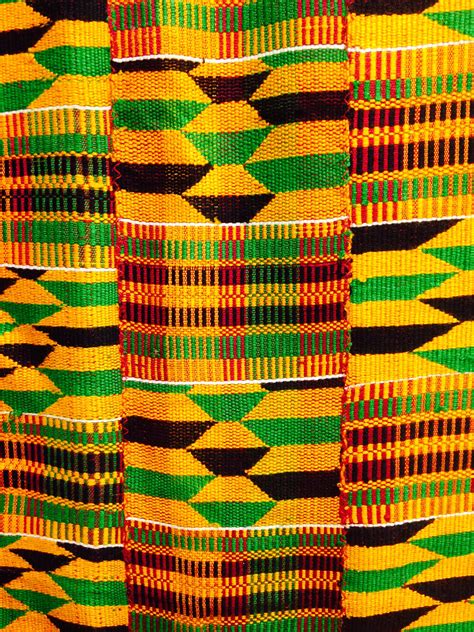
Kente is a unisex traditional African clothing that finds its history among the Ashanti and Ewe people of Ghana. Kente is a type of silk and cotton fabric made of interwoven cloth strips and is native to the Akan tribe in Ghana. It is also worn by many other groups who have been influenced by Akans. Kente comes from the word kenten, which means basket in the Akan dialect Asante. Kente is made in Akan lands such as the Ashanti Kingdom and by Akans in Ivory Coast.
Dashiki
Dashiki is one of the most popular African clothing. While it is worn mostly in West Africa, its use has spilled to other regions of the continent. A dashiki is a loose-fitting garment worn by both men and women, but there are several styles of traditional African outfits for women in dashiki. The women's dashiki, common in West Africa, is often embroidered with patterns at the neckline.
Iro and Buba
Iro and Buba (popularly called Iro ati Buba) are native to Yoruba women of Nigeria. The original version of the dress features five pieces. There is the Iro, a large wrapper tied to fit around the waist. The main job of the IRO is to make sure that your care plan meets your needs.
Read also: Experience Fad's Fine African Cuisine
Boubou
The boubou is an African robe made of one large rectangle of fabric with an opening in the center of the neck. The Boubou is a classic, stylish, and functional Senegalese robe worn by men and women all over Africa. The vision boubou differs in style and fabric. For instance, women’s boubou are loose-fitting dresses while men’s boubou are long and flowing robes.
Kanzu
Kanzus are white or cream African traditional clothing worn by men in the Africa Great Lakes region.
Habesha Kemis
The Habesha Kemis is African traditional clothing belonging to the Habesha women of Addis Ababa, Ethiopia. Ethiopian and Eritrean women rock it for formal events and vacations. Nowadays, it comes in various forms including short- or long-sleeves.
Isiagu
The Isiagu finds its roots among the Igbo people of South-East Nigeria. ‘Isiagu’ literally translates to ‘the head of a leopard’. Well, the lion is taking over the totem reserved for the leopard. The Isiagu marries a silk fabric with the head of a lion emblazoned in a definite pattern.
Shuka
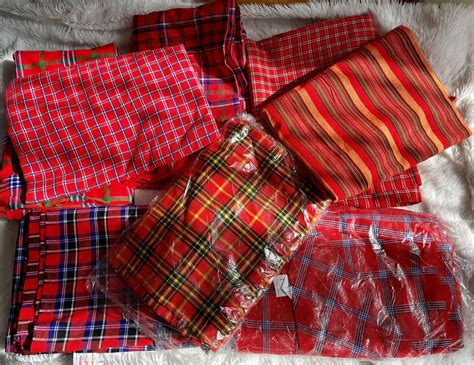
Shuka is traditional African clothing that belongs to the Maasai people of Tanzania and Kenya. Popularly called the ‘African Blanket’, it is often red with black stripes.
Read also: The Story Behind Cachapas
Toghu
The Toghu or Atoghu is a traditional outfit that is popular among the Bamileke people of North-Western Cameroon. In the past, only men and women of royalty wore the Toghu as a sign of traditional superiority over the commoner.
Isidwaba
Isidwaba is a popular dress among the Zulus. Otherwise known as Isikhakha, Isidwaba is a traditional skirt worn by betrothed or married women in Southern Africa.
Kanga
The Kanga is a traditional African dress that women typically wear. It is often worn as a sarong or wrap dress, which is very popular in Kenya. The kanga is a colorful garment worn by women basically in East Africa, particularly in Tanzania and Kenya. The kanga is remarkable for its bright colors, patterns, and proverbs. It is normally worn wrapped around the body, with a portion being used to cover the head or as a baby sling. Q. A: Kanga is a unique and popular clothing style in East Africa, particularly in Kenya and Tanzania. It is a rectangular piece of cloth with patterns and designs and a swahili proverb printed on it. Women mostly wrap the kanga around their bodies in different creative ways.
Agbada
Agbada are African print dresses worn by several West African countries like Nigeria. The most popular color choices tend to be brown and black. The darker the color, the more formal it is.
Leso
The leso is popular in Kenya and parts of Tanzania, similar to the kanga but without the attached saying. It is a brightly colored cloth used by women to wrap around the body, create different styles of attires, or even carry babies on their backs.
Read also: Techniques of African Jewellery
Kaftan
Kaftan is traditionally a long and flowing robe worn by both men and women in many African countries. For women, African attire kaftan is loose, flowing, and beautifully patterned. It is worn on special occasions and comes in rich fabrics like silk or brocade, often decorated with intricate embroidery. While the women's kaftan has distinct style features, there are also common elements in the traditional clothing of different African tribes. You will still find kaftans in their traditional form, which are unique traditional African clothing designs. Even though most women’s African attire kaftan keep these elements, today, many have adopted modern western influences and altered the traditional designs, making them more globally fashionable.
Ankara and Kitenge
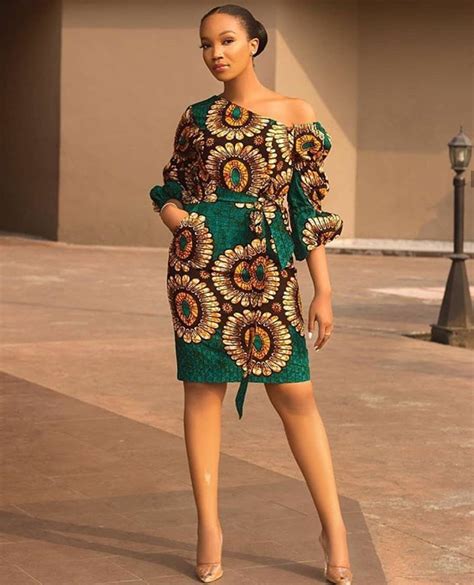
In many African countries, especially in West Africa and Nigeria, Ankara equally is very popular among women. These dresses are made from wax fabric commonly known as Ankara with beautiful and colorful patterns. There are many different styles, but most of them are fitted on the top and flare out on the bottom. In recent times, the Ankara dresses have become part of modern clothing and can be found on the fashion runways all over the world. Ankara and Kitenge are two popular African textiles known for their vibrant colors, bold prints, and cultural significance. Ankara, also known as Dutch wax print, originated in Indonesia and was later adopted and adapted by African communities, while Kitenge, also known as African wax print, has its roots in West Africa.
Sustainability and Decolonisation in Historical African Fashion
The Adaptability of African Print Dresses
The beauty of African print dresses lies in their adaptability. Women often wear Ankara gowns, Boubous, or intricately embroidered Kaftans for grand celebrations. Moreover, Afrochella, the Durban July, and Black History Month celebrations are ideal occasions to showcase Dashiki tops, Toghu gowns, or richly detailed Boubous. A structured Toghu-style long or short dress, tailored Kente jacket, or sleek Kaftan with a v-neck sprinkles cultural flair while maintaining a professional look.
Styling Tips for African Attire
Now, let’s get into the nitty-gritty of styling. A stylish belt can define your waist and add a modern touch if you’re wearing a flowy Kaftan dress or Boubou. Heeled sandals like the Color Me Fabulous Slingback Heels by EY Boutique complement Kente gowns, embroidered Kaftans, or floor-length Ankara dresses beautifully. Layering a fitted Ankara or Kente blazer over a simple dress or jeans instantly elevates your outfit. Rocking a voluminous afro or twist-out pairs beautifully with traditional Kaftans, Boubous, or Dashikis.
The Significance of African Clothing
In many African cultures, clothing plays a vital role in religious settings, reflecting faith and cultural pride. The uniqueness of African clothing lies in a combination of cultural diversity, regional variation, symbolism, and the integration of contemporary fashion. Much of the clothing’s design, color, and patterns have deeper meanings related to tribal affiliation, social status, age, and marital status. A number of the African clothing uses symbols, stories, and representation of the community’s culture, history, or myths.
Materials Used in Traditional African Clothing
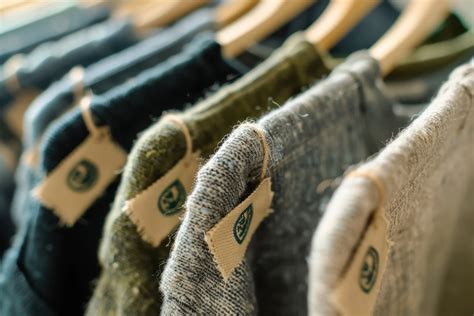
Traditional African clothing has continuously been made from a broad range of materials, each with its historical touch and reason. Although the techniques of making clothes may have evolved, many of the traditional materials are still relevant even now. Cotton is one of the most commonly used fabrics in Africa. It is breathable and very comfortable to wear, especially in the hot and arid temperatures of the continent. Silk has equally been used in making some African traditional wears, especially the more elaborate and upscale ones. It is smooth and soft to touch and comes with a luster that adds to its beauty. Even though most of the African clothing is woven, leather has also been used in many cultures, especially for making attires like the Maasai in Kenya and Tanzania, who use it in making durable and tough clothing. Even though cotton and other lighter materials are widely used, wool has also been prominent in some communities, especially among the ones that have colder climates like Ethiopians and the Berbers in North Africa. Beads, embroidery threads, and other materials have been used to add decor to many of the traditional attires.
Sustainable Fashion and Ethical Practices
As awareness of environmental and social issues grows, there has been a growing movement towards sustainable fashion and ethical practices within the African fashion industry. In addition to promoting environmental sustainability, sustainable fashion also celebrates cultural heritage and supports local communities, empowering artisans and preserving traditional craftsmanship for future generations.
Choosing the Right African Traditional Clothing
Choosing the right African traditional clothing, whether intending to sell or wear it, can be both an enjoyable and fulfilling task. There are several African varieties of clothing, each with its unique charm. Consider your personal style and comfort. Do you prefer the loose and flowing cuts or fitted ones? African traditional clothing designs are made from various materials, each with its unique feel and look. Cotton is mostly used because it is breathable and comfortable and especially suitable for the hot climates in Africa. Silk and chiffon are equal to the richer, more elaborate outfits. Due to the diversity in the origin of the styles, you also need to consider the differences in the fit of the clothing. In some styles, like dashiki and caftan, the fit is generally loose and free, while others are much more fitted. In as much as African traditional clothing is now widely popular, for some people, it still bears cultural representation. Particular attention should be paid when choosing certain types of outfits to honor and respect their origins. For instance, Kente cloth is special for the Ewe and Akan people of Ghana. Consider how much time and effort you want to spend on care and maintenance. Some African clothing styles and fabrics require special care, while others are easier to wash and maintain.
Modern Interpretations of Traditional Attire
African dress styles are a vibrant fusion of tradition, culture, and imagination, showcasing diverse heritage and artistic flair. Today, African traditional clothing is experiencing a revival and is often incorporated in modern fashion for both men and women. Celebrities and fashion icons have popularized African-inspired evening wear. Kaftans, Kanga wraps, or breezy maxi dresses make ideal vacation outfits. African streetwear and urban fashion have gained traction in recent years, with designers drawing inspiration from street culture, music, and art to create bold and innovative designs. These contemporary styles are often characterized by bold colors, graphic prints, and edgy silhouettes, appealing to fashion-forward individuals who want to make a statement with their attire. These modern interpretations of traditional Islamic attire offer a blend of modesty, elegance, and cultural identity, appealing to women of all ages and backgrounds.
African Clothing: FAQs
Here are some frequently asked questions about African clothing:
| Question | Answer |
|---|---|
| Can African traditional clothes be worn every day? | Yes, African traditional clothes can literally be worn every day. It comes down to personal choice and the occasion that is at hand. On a daily basis, casual clothing with simplistic designs can be worn. |
| What materials are used to craft African traditional clothes? | The common materials used to craft African traditional clothes include cotton, silk, wool, and leather. Cotton is the most widely used material due to its breathability and comfort. Silk is used for more formal and luxurious attire. |
| What is the difference between modern-day and traditional African clothing? | Despite many similarities, modern-day African clothing has notable differences from traditional African clothing. Today's clothing incorporate more global fashion trends with diverse fabrics, cuts, and designs. The African print dress is a popular clothing choice among many modern women. |
Own your look, embrace your heritage, and walk with pride because African fashion is not just about looking good; it’s about celebrating culture, history, and self-expression. Join us on a captivating journey as we delve into a wide range of traditional and contemporary African dress styles.
