African wear for men comes in different styles, each with unique characteristics that reflect the continent's diverse cultures. The traditional clothing includes Kitenge, Lace, Leso, Gele, Iro, Isiagu, Kanzu and Kalasiris.
African clothes for men have cultural and historical importance. They represent the identity, traditions, and values of different African communities. The most popular African clothing for men includes:
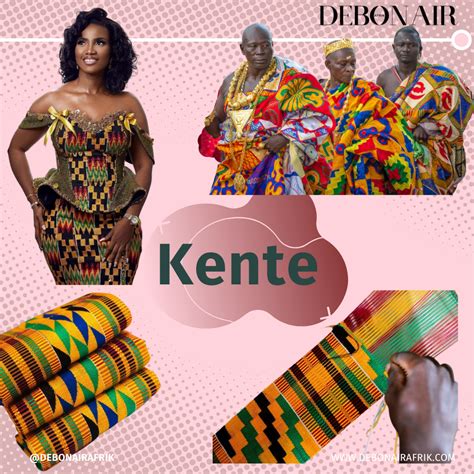
- Kente: Kente is the most popular and the most celebrated of all African clothing styles.
Let's delve into some specific examples of African men's attire:
Key Garments and Styles
1. The Dashiki
The Dashiki is a colorful garment worn in West African countries. It is usually loose-fitting and comes in various designs, some with intricate embroidery along the neckline. The Dashiki is worn by men of all ages and is often paired with pants or jeans. It is a versatile outfit suitable for both casual and formal occasions, including weddings and cultural events.
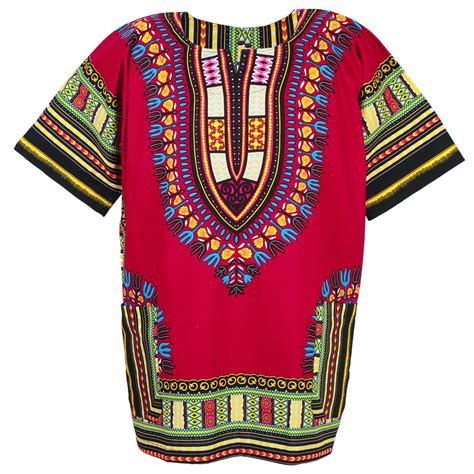
Dashiki
Read also: Celebrate Black Girl Magic
2. The Boubou (Grand Boubou)
The Boubou, also known as the Grand Boubou, is a flowing robe worn by men in West Africa, especially in countries like Senegal, Mali, and Guinea. It consists of an ankle-length garment that is wide and flowing, giving it a loose and comfortable fit. The Boubou is typically made from vibrant, patterned fabrics and is worn over a matching or complementary pair of pants. It is a traditional outfit for formal events, ceremonies, and daily wear.
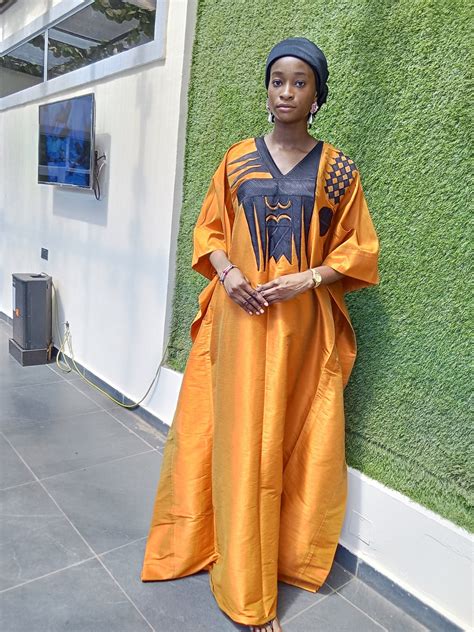
Boubou
3. Kente Cloth Attire
Kente cloth is a handwoven, multicolored fabric that originates from the Ashanti people of Ghana. It is a symbol of royalty and is used to make various garments, including shirts, jackets, and wraps. Kente cloth attire is worn during special occasions, celebrations, and cultural events. Each pattern and color in Kente cloth has a specific meaning, often related to history, proverbs, or symbols.
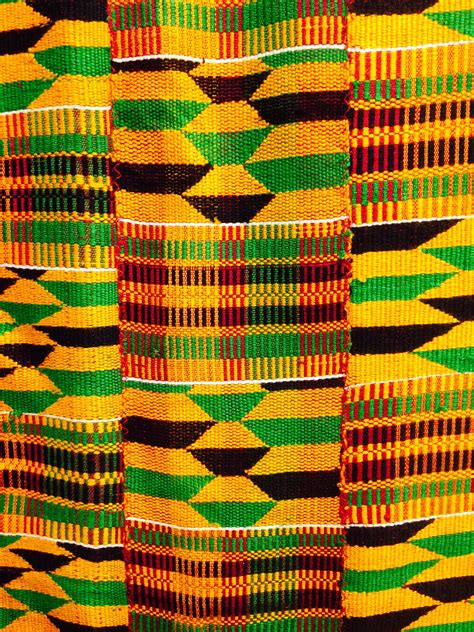
Kente Cloth
4. The Agbada
The Agbada is a traditional Yoruba attire that consists of a large, flowing gown with intricate embroidery. It is worn by men in Nigeria and other West African countries. The Agbada is made up of three pieces: the top garment, the pants, and a shawl or scarf. It is typically worn on special occasions, including weddings, religious ceremonies, and other formal events.
Read also: African Warrior Costume Guide
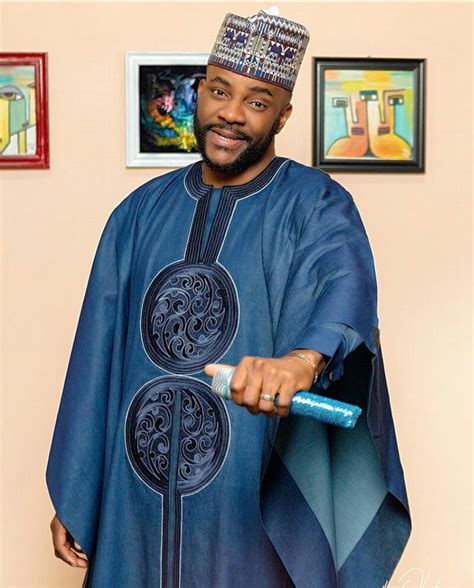
Agbada
5. Lapa and Shirt
This combination is a simple yet traditional outfit worn by men in various West African countries. The Lapa is a colorful, patterned wrap usually tied around the waist, while the shirt is a separate garment often made from matching or complementary fabric. This outfit is casual and suitable for daily wear, market trips, and informal gatherings.
6. Senegalese Boubou
Similar to the West African Boubou, the Senegalese Boubou has its unique style and variations. It is worn by men in Senegal and is characterized by its loose and flowing design. The Senegalese Boubou is often made from light, airy fabrics suitable for the hot and humid climate of the region.
7. Kanzu
Kanzus are white or cream African traditional clothing worn by men in the Africa Great Lakes region. This includes Burundians, Congolese, Ethiopians, Kenyans, Malawians, Rwandans, Tanzanians, and Ugandans. The English call it Tunic, and the Arab, Thawb. In East Africa, the kanzu is the traditional dress worn by Swahili-speaking men.
Design Elements
African clothing for men incorporates various designs and patterns. These designs incorporate the wear's cultural significance and modern fashion trends. Traditional patterns and fabrics are key components in the design of African clothes for men. For instance, in West Africa, the Adinkra patterns are symbols of wisdom, death, and peace. They are printed on fabrics using a hand-stamping method. Also, the Kente patterns are multicolored and are woven into different shapes. Further, the Angolan Pano patterns are rectangular and have vibrant designs.
Read also: Experience Fad's Fine African Cuisine
The silhouette and fit of African men's clothing vary from loose to fitted styles. The loose styles allow for ease of movement and comfort in hot climates. Also, the fitted styles offer a modern and tailored look. Additionally, the fit of the clothing is loose around the body. This is, for instance, in the case of the boubou. Conversely, the Agbada has a more complex silhouette with layers of fabric.
The neckline and sleeves of African wear for men vary with style and culture. The neckline styles range from the V-neckline of the Dashiki to the mandarin collar of the Kaftan. The sleeves are long and wide in most designs. For example, the Kaftan and Agbada have long sleeves. On the contrary, the short sleeves of the polo shirt are more casual.
Embellishments add cultural and artistic value to African clothing for men. For instance, embroidery is common in the Agbada. Here, artisans hand-stitch intricate designs on the fabric. This makes the attire more unique and aesthetically pleasing. Also, the Boubou features a loose-fitting garment with a wide, flowing shape. Additionally, it is accompanied by embroidered or patterned pants. Further, the Dashiki shirt has a vibrant, printed fabric. Its designs are drawn from traditional African motifs.
African men's clothing features a vibrant color palette. For instance, in the Kente cloth, the colors have distinct meanings. They symbolize things like royalty, fertility, and spirituality. Additionally, the Agbada incorporates different hues. These hues reflect personal and cultural identities. They are often worn during significant events. In the case of the Dashiki, it is a shirt that comes with bright, bold prints. Also, the prints are usually made from wax-resist dyeing techniques.
African outfits for men are made from a variety of materials. Some of them include cotton, silk, and wool. These fabrics are often handmade and dyed using traditional techniques like batik, tie-dye, and adire.
African Print Fashion Style Ideas For Little Boys | Latest Ankara African Print Boys Fashion Style
How to Wear and Match African Attire
African attire is worn differently depending on the style and preference. For traditional styles, the top is usually paired with the bottom part of the African print clothes, which is a symbol of unity and cultural pride. Anka shirts are often worn loose with tailored pants or shorts. A buba, which is a loose-fitting blouse, is usually worn with a wrapper tied around the waist. Kente cloth is often woven into ties, scarves, or sashes that are worn across the body or around the waist.
To achieve a modern, stylish look, mix and match African prints with western-style clothing. When wearing a kaftan, choose one that is long enough to touch the ground and wide enough to allow free movement. Slip it on over your head and adjust the neckline to your preference. Mens agbada is worn over a pair of trousers and is usually accompanied by a cap. Ensure the trousers are slim-fit so they do not add bulk under the flowing agbada. For a buba and wrapper, put on the buba and tie the wrapper around your waist at a comfortable height. Adjust the folds to achieve a neat appearance. Wearing a Kente cloth requires knowledge of its significance.
African wear can be matched with different styles to create a unique look. Pairing a brightly colored African shirt with neutral-colored pants or shorts creates a balanced look that is not too overwhelming. Pairing a patterned African jacket with solid-colored trousers or a plain dress creates a focal point without clashing. To achieve a modern look, combine African wear with western fashion. Pair a dashiki shirt with fitted jeans or layer anka tops under a tailored blazer. For a casual look, mix and match African prints with plain-colored tops or bottoms.
Wearing and matching African attire requires an understanding of the style and significance of each garment. By following these tips, one can achieve a stylish and modern look while honoring African culture and tradition.
Modern African Fashion
Occasions for Wearing African Attire
African clothes for men can be worn for formal occasions. Outfits like the agbada, dashiki, and kaftan are appropriate for weddings, ceremonies, and celebrations. African outfits for men vary widely across regions and countries. For instance, in West Africa, the buba and sokoto are popular, while in East Africa, the kanga and kikoi are common. Each region has unique styles, patterns, and fabrics.
Care and Maintenance
Caring for and maintaining African outfits requires gentle handling. Handwashing with cold water and mild detergent is recommended to preserve the fabric and dye. Drying should be done away from direct sunlight to prevent fading.
Remember, when you shop african men outfit on AliExpress, you can enjoy the convenience of free delivery and receive your favourite faster. If you are not satisfied with the products you receive, you can also take advantage of AliExpress free returns and exchanges within a certain time frame.
