The hunger crisis in Africa is deepening, putting millions of lives at risk. Child hunger in Africa affects millions of children across the continent. This crisis is especially devastating in childhood, leading to malnutrition, stunted growth, and even death.
Driven by conflict, extreme weather, and economic instability, this crisis is having especially devastating impacts on women and children, who are bearing the brunt of malnutrition and displacement.
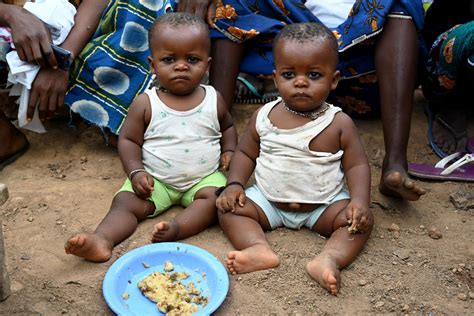
A child suffering from malnutrition receives treatment. Source: UNICEF
The Scope of the Problem
Sub-Saharan Africa faces the highest rate of undernutrition in the world; one in five people there face hunger. Nearly 20% of the African population was facing hunger as of 2020-one of the highest rates of hunger in the world. Last year, estimates showed that 216 million children in Africa are facing malnutrition and stunting due to a lack of food.
Around 64 million children in Africa under 5 years of age - or 1 in 3 - are experiencing severe child food poverty, making them up to 50 per cent more likely to experience wasting, a life-threatening form of malnutrition, a new global UNICEF report reveals today.
Read also: Experience Fad's Fine African Cuisine
One common thread across these contexts and crises is that children are the most impacted. For children, a lack of food and nutrients during the developmental stage of life can lead to lifelong setbacks. Around the world today, millions of children are malnourished.
A severely acutely malnourished child is 11 times more likely to die than a healthy child, with the impacts of these conditions reducing the ability of the child to fight off and recover from usually mild illnesses like diarrhea or measles.
Regions experiencing conflict, insect plagues, drought and other climate-related crises tend to be most impacted by food insecurity and hunger. In some areas of East Africa, the demand for humanitarian aid is higher than the supply. The result is a large and growing number of children at risk of starvation. Somalia, Ethiopia and Kenya alone report over seven million children currently on the verge of starvation. In Somalia, half of all children are experiencing acute malnutrition.
Children in hunger crises experience "wasting", the condition in which a child’s weight and muscle mass are disproportionate to their height as a result of severe malnutrition. Their growth may also be stunted, which in turn damages their physical and cognitive development.
For the first time, Child Food Poverty: Nutrition Deprivation in Early Childhood analyses the impacts and causes of dietary deprivation among the world’s youngest people in nearly 100 countries, and across income groups. It warns that millions of children under the age of five are unable to access and consume a nutritious and diverse diet to sustain optimal growth and development in early childhood and beyond.
Read also: The Story Behind Cachapas
Severe child food poverty affects all regions of the world, but not equally: Africa is home to approximately one-third of the 181 million children living in severe child food poverty across the world, with the Democratic Republic of the Congo, Egypt, Ethiopia, Ghana, the Niger, Nigeria, Somalia, South Africa, Uganda, and the United Republic of Tanzania carrying the heaviest burden of children living in severe child food poverty in the region.
Children who consume, at most, two of eight defined food groups per day are considered to be in severe child food poverty. Four out of five children in this situation are fed only breastmilk/milk and/or a starchy staple, such as rice, maize, or wheat. Less than 10 per cent of these children are fed fruits and vegetables. And less than 5 per cent are fed nutrient-dense foods such as eggs, fish, poultry, or meat.
The numbers show persistent regional disparities, with Africa bearing the heaviest burden [of hunger]. One in five people in Africa (20.2 percent of the population) was facing hunger in 2021.
Key Factors Contributing to Child Hunger
Several factors are fueling the child food poverty crisis, including ineffective food systems that fail to provide children with nutritious, safe, and accessible options, families’ inability to afford nutritious foods, and parent’s inability to adopt and sustain positive child feeding practices.
The crisis is compounded by large influences like poverty, conflict, and natural disasters.
Read also: Techniques of African Jewellery
Poverty
More than half of Zambia's population lives in poverty. Across Africa, extreme poverty is widespread, with about 460 million people affected. One of the biggest reasons the UN cited was poverty and the cycle it creates. More than half of the population lives below the poverty line and struggles to purchase food to support their families. However, a hungry person is less likely to find a job with better pay due to their performance being affected by their lack of nutrition.
While low household income is a significant driver of severe child food poverty, more than half of the children living in severe child food poverty worldwide belong to households in the middle and two upper wealth quintiles. This finding reveals that there are other important drivers of severe child food poverty besides household income.
Conflict
Conflict has long been a driver of hunger. War forces civilians from their homes, livelihoods, farms and food sources. The number of displaced people in Africa has tripled over the past decade to a record 36 million in 2022, according to U.N. data. That represents almost half the displaced people in the world. In 2016, it recorded 3,682 “battles” between armed groups in Africa.
Conflict-affected countries like South Sudan also suffer from food shortages and displacement - leading to acute malnutrition among children. In Chad, climate crises and attacks by armed groups in the Lake Chad Basin drive severe malnutrition.
Between 2018 and 2021, the number of people facing severe food insecurity in countries experiencing conflict/insecurity increased by a staggering 88%. Countries experiencing conflict/insecurity include Ethiopia and Burkina Faso, two of the African countries in which Compassion partners with local churches to assist children and families in extreme need. Conflict leads to loss of local food resources, as crops and livestock are plundered or destroyed.
Climate Change and Natural Disasters
The landscape of Africa is unique, consisting mostly of deserts and rainforests. Rising or lowering temperatures in the ocean have a significant impact on this unique climate. For example, in 2023 and continuing into this new year, we are seeing El Niño (higher ocean temperatures) climate patterns-this weather pattern puts Africa at risk for severe droughts.
Increasing weather-related natural disasters, are destroying agricultural production. Mozambique is one of the four African countries most exposed to extreme climate shocks. Failed rains have devastated crops in Kirundo province, northern Burundi, leaving families struggling to find enough food. Euphrasie, a mother of six (pictured above), can no longer find work on farms as maize crops have dried up and yields have plummeted.
One of the strongest El Niños on record created a severe drought in southern and eastern Africa. The lack of rainfall has caused crops to fail.
Economic Shocks
For many Africans already struggling to survive on a meager income, the COVID-19 pandemic and resulting movement restrictions severely affected their ability to work. Without any savings and unable to leave the house to work for a daily wage meant sacrificing daily necessities, including food.
In addition, soaring food prices have made it even more difficult for families in extreme poverty to afford the nutrition they need. After years of borrowing, countries are struggling to service their debts.

Euphrasie and her family struggling with food scarcity. Source: World Vision
Addressing the Crisis
Even though the child hunger crisis in Africa is dire, hope is far from gone. Around the world, charity organizations like Okoa Refuge have taken action to help children have access to food, water, and education. Africa is home to over 1.4 billion people, hundreds of millions of whom live in extreme poverty.
We have more than 45 years of experience saving lives and supporting self-sufficiency for some of the world’s most vulnerable people. Across Africa, Action Against Hunger provides lifesaving treatment to children suffering from the deadliest form of hunger, known as acute malnutrition.
World Vision has worked in Burundi for over five decades and is working closely with affected communities to respond. Convoy of Hope is continually feeding children throughout the Horn of Africa.
The IRC works to reduce child hunger by providing nutritional assistance and other health care, leading community training on malnutrition prevention, and giving cash assistance and clean water to vulnerable families. The Child Nutrition Fund (CNF) was launched last year by UNICEF, with the support of the UK Foreign Commonwealth and Development Office (FCDO), the Bill and Melinda Gates Foundation, and the Children’s Investment Fund Foundation (CIFF). The CNF is a UNICEF-led multi-partner financing mechanism that incentivizes domestic investments to end child malnutrition.
Specific Interventions
- Health care: The IRC has set up a series of inpatient stabilization centers to provide treatment for mothers and children suffering from severe acute malnutrition in their own communities, making sure that care comes to those in need and not the other way around.
- Malnutrition prevention and treatment training: Through IRC-funded clinics, training community health workers and mobile health clinics, the IRC is working to diagnose and treat more children with acute malnutrition more efficiently through a simplified approach developed by the IRC.
- Cash relief: Cash relief has proven to be an effective tool to provide immediate assistance to vulnerable populations. This program gives families cash or vouchers that can be used to buy essentials, including food.
- Water and sanitation support: Access to clean water and sanitation is needed to prevent illness from spreading in areas where hunger crises have weakened people’s immune systems.
Our food security and livelihoods programs empower vulnerable communities to improve their access to food, income, and markets. We train and build the capacity of small-scale farmers to implement climate-smart agriculture techniques, increase production, and safely store and market their crops. Our teams help herders to improve the health of their livestock and find pasture lands to feed them.
SOS Children's Villages' family strengthening programs empower families to overcome hardships. We strengthen families at risk of falling apart, giving them the support they need to grow stronger, stay together and keep their children safe. In partnership with governments, NGOs and other relief organizations, SOS builds effective community support systems. Our short-term assistance to vulnerable families includes food, medical care and access to education.
Compassion partners with local churches in eight African countries to implement health and nutrition interventions. Our church partners are trained to identify and take immediate action on behalf of the malnourished children in their care. They might provide a program of emergency feeding or vitamin supplements. On program activity days, our church partners provide children with nutritious meals and snacks. Mobile money transfers provide cash directly to families in a secure a secure, discreet and cost-effective way.
One key aspect of World Vision’s work is livelihood skills training, which equips families with tools they need to navigate a food crisis on their own. Nour, a single mother of five, faced hunger and a devastating drought that wiped out her livestock and threatened her family’s survival. She left their community in Somalia and made a lengthy trek to find food and safety.
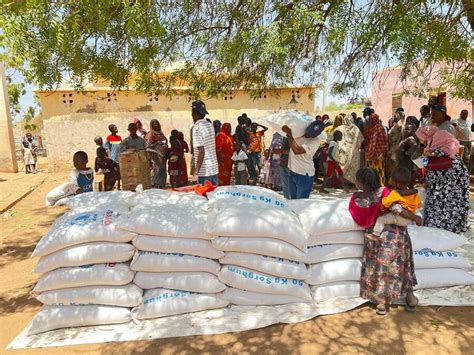
Food distribution to combat hunger. Source: Concern Worldwide
The Cost of Intervention
UNICEF USA, a nonprofit working to support UNICEF’s nutritional and health goals, reports it is able to feed a child for about $0.50 a day. The solution can begin to take shape when a compassionate partner commits just $0.50 a day to feed a kid in Africa. According to a 2008 United Nations report, it would cost an estimated $30 billion annually for a decade to end world hunger. A 2019 study by the IFC (International Finance Corporation of the World Bank Group) estimated the annual cost to eradicate hunger in Africa alone would be about $5.25 billion. Investing in this endeavor is not only a moral imperative, but an economic one.
From March 2021 to August 2024, we reached 38.4 million people in 31 of the most affected countries with critical food and aid in response to the global hunger crisis. Thank God for the progress made as we’ve responded to the hunger crisis in Africa and around the world.
Action must be taken immediately to save the lives of millions affected by hunger crises around the world. The IRC is dedicated to preventing famines and works every day to help those affected.
The IRC is calling on world leaders to stand with us in our mission to provide water, case relief and health care to children put at risk by hunger crises. No child deserves to have their lives threatened by a lack of food and its consequences.
How You Can Help
There are several ways to donate to help starving African children. All of these organizations are actively working to provide food and other essential services to children in need. Additionally, people can participate in fundraising events, or they can donate directly to local food banks or community-based organizations in Africa.
Your donation will help us in the care of orphaned children around the world. Your donation can make a world of difference for a child in Uganda.
Your generous donation can provide immediate food aid to an African child or family who is starving, equip a farmer with the resources he needs, or support a community as they build self-sufficiency to combat food insecurity.
