African bracelets have long been a symbol of cultural identity, tradition, and artistry in East Africa. These intricate pieces of jewelry are more than mere adornments; they tell stories of heritage, spirituality, and community. From the coastal regions of Kenya and Tanzania to the highlands of Uganda and Ethiopia, African bracelets hold a deep-rooted significance that transcends time and borders.
Delve into the fascinating world of African brass jewelry, where history and craftsmanship intertwine. Across diverse communities in Africa, the art of brass working has flourished, leaving a lasting cultural legacy. This article explores the rich history, cultural importance, and modern-day relevance of African bracelets in East Africa, offering a comprehensive guide to their artistry and symbolism.
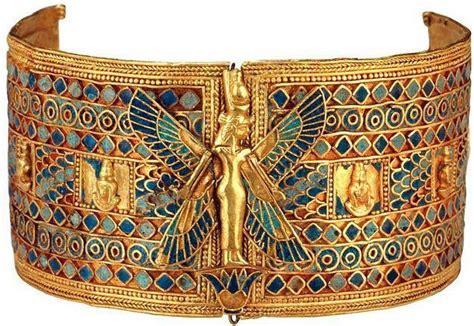
Bracelet of Queen Ahmose Nefertari (Egyptian Museum Cairo)
The Historical Roots of African Bracelets in East Africa
The history of African bracelets in East Africa dates back thousands of years. Archaeological evidence suggests that early civilizations in the region used bracelets as a form of personal expression and social identification. Materials such as bone, ivory, wood, and beads were commonly used to craft these beautiful ornaments.
Jewelry and Adornments in African Tribes
Ancient Trade and Influence
East Africa’s strategic location along the Indian Ocean facilitated trade with the Middle East, Asia, and Europe. This interaction introduced new materials like glass beads, metals, and precious stones, which influenced the design and craftsmanship of African bracelets. The Swahili Coast, in particular, became a hub for the exchange of goods and ideas, blending indigenous styles with foreign influences.
Read also: Experience Fad's Fine African Cuisine
Cultural Significance of African Bracelets
In East African societies, bracelets are more than decorative items; they carry deep cultural and spiritual meanings. Each bracelet tells a story, reflecting the wearer’s identity, beliefs, and social status.
Symbol of Identity and Status
- Tribal Identity: Many East African communities use bracelets to signify tribal affiliation.
- Social Status: In some cultures, the materials and intricacy of the bracelet indicate the wearer’s social or economic status. Wealthier individuals often wear bracelets made of gold, silver, or other precious materials.
Spiritual and Protective Amulets
- Spiritual Beliefs: Bracelets are often imbued with spiritual significance.
- Healing Properties: Some bracelets are crafted with materials believed to have healing properties, such as copper or specific stones.
Rites of Passage
- Coming of Age: Young men and women receive bracelets during initiation ceremonies to mark their transition into adulthood.
Materials and Craftsmanship
The beauty of African bracelets lies in their diversity of materials and techniques.
- Metalwork: Skilled metalworkers use traditional methods to shape and engrave bracelets, often incorporating symbolic motifs.
Popular Styles of East African Bracelets
East African bracelets come in a variety of styles, each with its own unique characteristics.
- Often worn in stacks to create a bold statement.
- Feature intricate engravings and symbolic designs.
- Layering: Mix and match different styles and materials for a unique, personalized touch.
African Jewelry in East Africa
African jewelry is more than just an accessory; it is a profound expression of culture, identity, and history. In East Africa, the art of jewelry-making reflects the region’s rich traditions, diverse communities, and deep-rooted connection to nature.
Materials Used in East African Jewelry
East African jewelry is crafted from a wide array of natural and locally sourced materials, reflecting the region’s connection to its environment. These materials are carefully selected for their beauty, durability, and symbolic meanings.
Read also: The Story Behind Cachapas
Common Materials:
- Beads: Beads are the cornerstone of East African jewelry, especially among the Maasai and Samburu communities.
- Metals: Brass, copper, and silver are commonly used to create intricate necklaces, bangles, and earrings.
- Natural Elements: Materials such as cowrie shells, wood, and animal bones are frequently incorporated into jewelry designs.
- Precious Stones: Semi-precious stones like turquoise, amber, and quartz are used to add color and elegance to jewelry pieces.
- Leather and Fabric: Leather strips and woven fabrics are used to create bracelets, chokers, and other adornments, adding a rustic and earthy touch to the designs.
Traditional Designs and Styles
The designs of East African jewelry are as diverse as the cultures that create them. Each community has its unique style, often influenced by their environment, beliefs, and way of life.
Key Styles:
- Maasai Beadwork: Known for its vibrant colors and geometric patterns, Maasai beadwork is one of the most iconic styles of African jewelry.
- Swahili Coastal Jewelry: Along the Swahili Coast, jewelry styles are influenced by Arab and Indian cultures.
- Ethiopian Crosses: In Ethiopia, the traditional cross necklaces are deeply symbolic, representing faith and heritage.
- Turkana Adornments: The Turkana people of northern Kenya are known for their bold and layered necklaces made from beads and metal. These pieces are a striking representation of their culture.
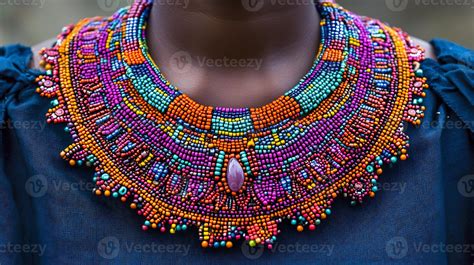
Maasai Beadwork
Modern-Day Relevance of African Bracelets
In today’s world, African bracelets have gained global recognition for their beauty and cultural significance. They are sought after by fashion enthusiasts, collectors, and tourists alike.
Global Fashion Trends
African bracelets have become a staple in the global fashion industry. Designers often incorporate traditional East African elements into modern jewelry collections, celebrating the region’s rich heritage.
Tourism and Economic Impact
The popularity of African bracelets among tourists has created economic opportunities for local artisans. Many communities rely on the sale of handcrafted bracelets as a source of income.
Read also: Techniques of African Jewellery
Preservation of Culture
By purchasing authentic African bracelets, buyers contribute to the preservation of traditional craftsmanship and cultural heritage.
Communities and Their Craft
From the renowned Benin Kingdom in Nigeria to the Dogon people of Mali, numerous communities across Africa have mastered the art of brass working.
- The skilled craftsmen of the Benin Kingdom were celebrated for their elaborate brass plaques.
- The Dogon people created intricate brass jewelry with symbolic motifs.
Brass has held cultural significance in African communities for centuries. In the Benin Kingdom, brass plaques adorned royal palaces, depicting historical events and honoring ancestors. Among the Yoruba people, brass crowns and staff symbolized the power and authority of rulers.
Artisanal Excellence
African brass jewelry is a testament to the exceptional craftsmanship of artisans. Intricate filigree work, casting, and embossing techniques bring the designs to life.
The symbolism within these pieces is profound, with motifs representing fertility, protection, ancestral spirits, and cultural narratives.
Cultural Diversity Reflected
The diversity of African cultures is reflected in the styles and designs of brass jewelry. From the Tuareg people of North Africa with their distinctive geometric patterns to the Senufo of Ivory Coast, known for their bold and abstract forms, each community brings its unique artistic expression to brass working.
Guardians of Tradition
As custodians of cultural heritage, African artisans play a vital role in keeping the art of brass working alive. Through the transference of skills from one generation to the next, they safeguard traditional techniques and ensure the continuation of this rich heritage.
African Influence in the Caribbean: West Indian Bangles
Growing up in Trinidad and Tobago, the clang of hammering silver and gold pieces of metal into West Indian bangles has been the soundtrack of my life. These bangles-known locally as Bayras-are not just jewelry; they are woven into the identity and history of Caribbean families.
A Connection to West Africa: Originally, bangles were used as currency in parts of West Africa, particularly during the slave trade era. Crafted from gold, these bangles symbolized wealth and status. After the end of the slave trade, this symbol of prestige lived on, carried across the Atlantic, where bangles became cherished adornments among Caribbean communities.
Influence of Indian Culture: With the arrival of indentured laborers from India and South Asia in the 19th century, the tradition of bangle-wearing gained additional layers. In many Caribbean families, it is customary to gift small silver bangle or gold bangle to newborns as a symbol of love, protection, and connection to their heritage.
For many women in Trinidad and Tobago, and across the West Indies, the sound of bangles clinking against each other is a familiar and comforting melody. These bangles are like a signature, a sound that tells of island life, of unity, and of the strength found in tradition.
FAQ: African Jewelry in East Africa
- What makes East African jewelry unique? East African jewelry is unique due to its rich cultural symbolism, use of natural materials, and intricate craftsmanship. Each piece tells a story and reflects the heritage of the community that created it.
- What materials are commonly used in East African jewelry? Common materials include beads, metals like brass and silver, cowrie shells, leather, wood, and semi-precious stones. These materials are often locally sourced and hold cultural significance.
- How is Maasai jewelry different from other African jewelry? Maasai jewelry is characterized by its vibrant beadwork and geometric patterns. It is deeply symbolic, with each color and design element conveying specific cultural meanings.
- Can I wear East African jewelry if I’m not from the region? Yes, East African jewelry is appreciated worldwide for its beauty and craftsmanship. However, it’s important to wear it respectfully and understand its cultural significance.
- Where can I learn more about East African jewelry? You can explore books, documentaries, and online resources about African art and culture. Visiting East Africa and engaging with local artisans is also a great way to learn firsthand.
